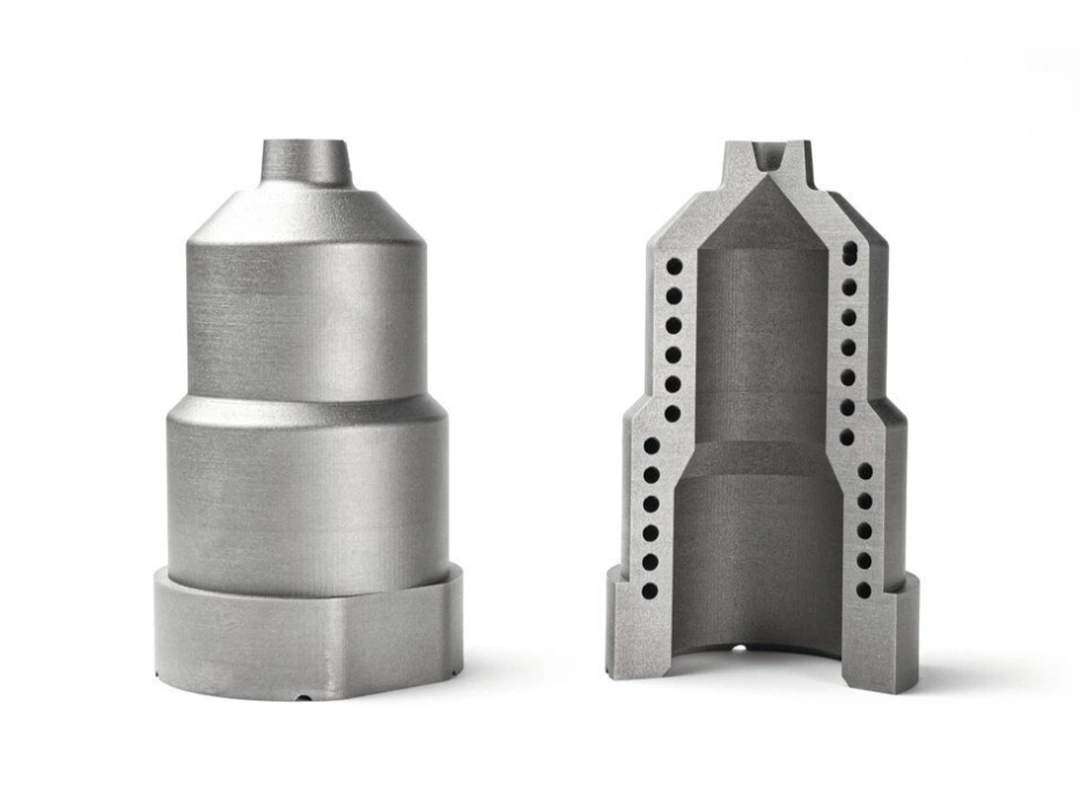
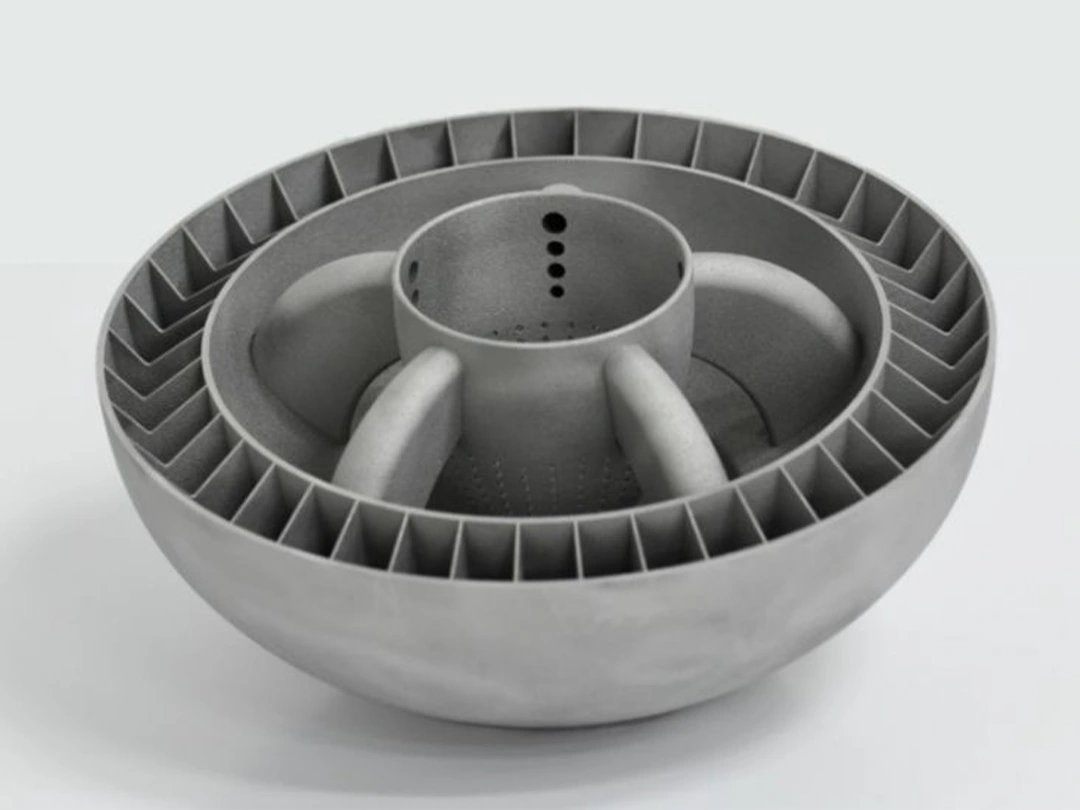
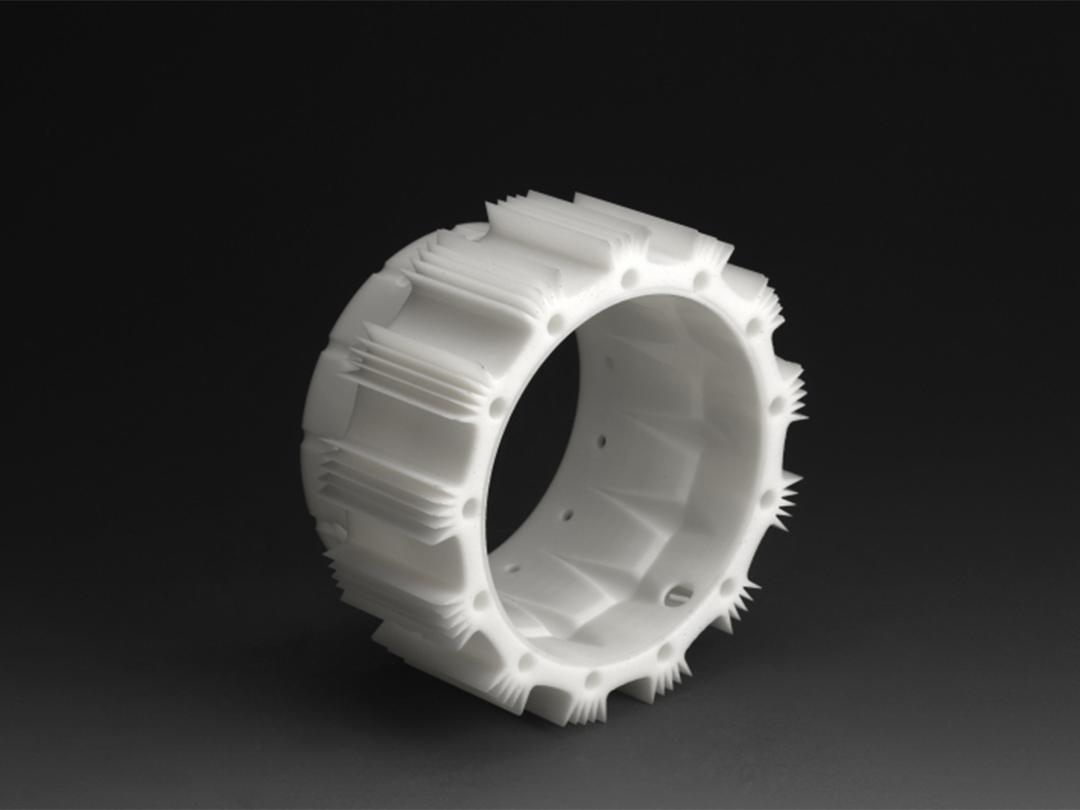
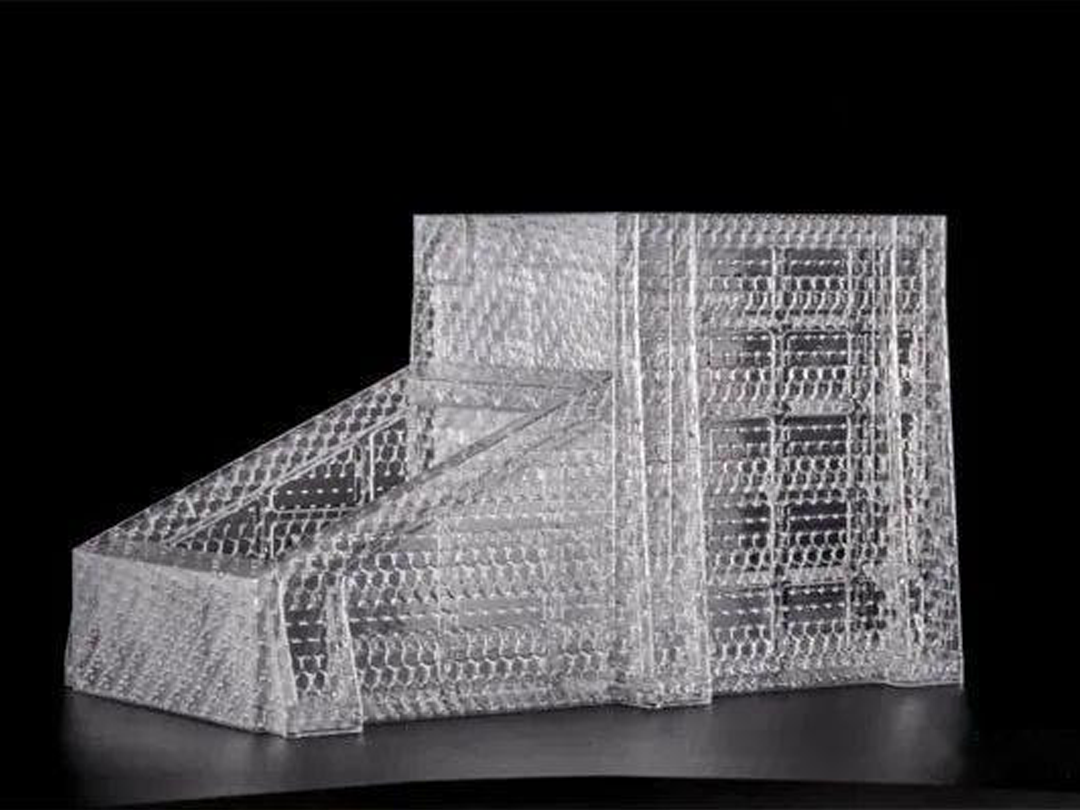
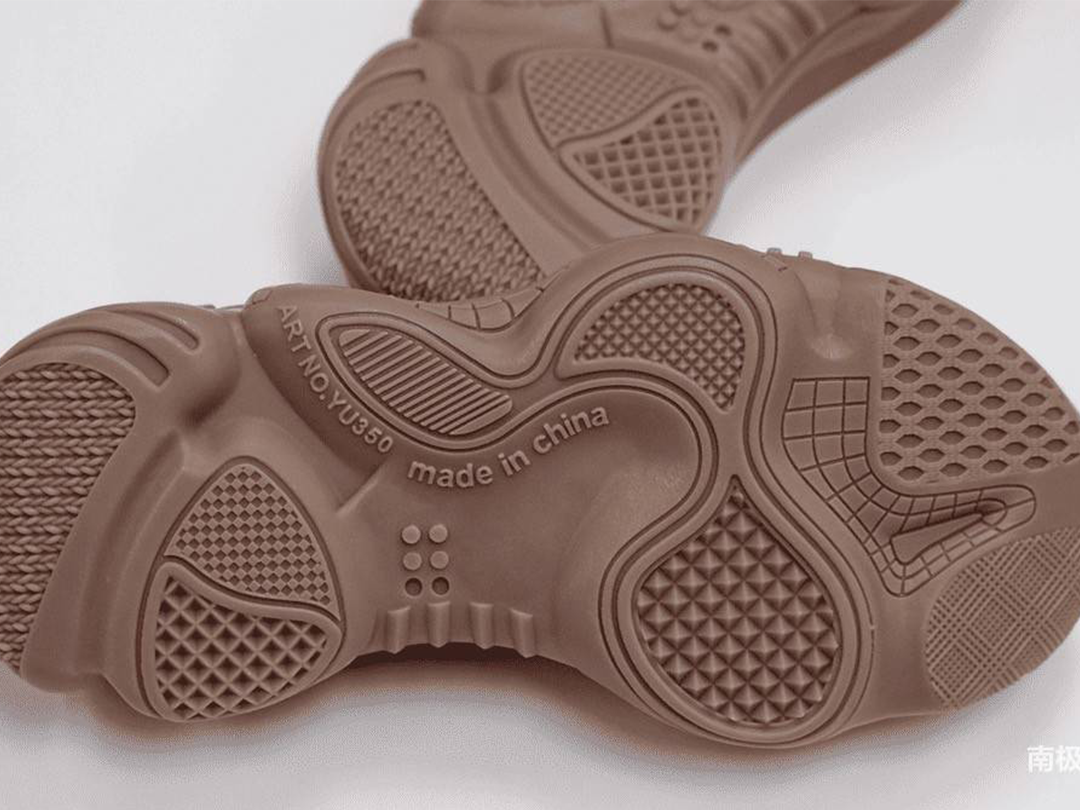
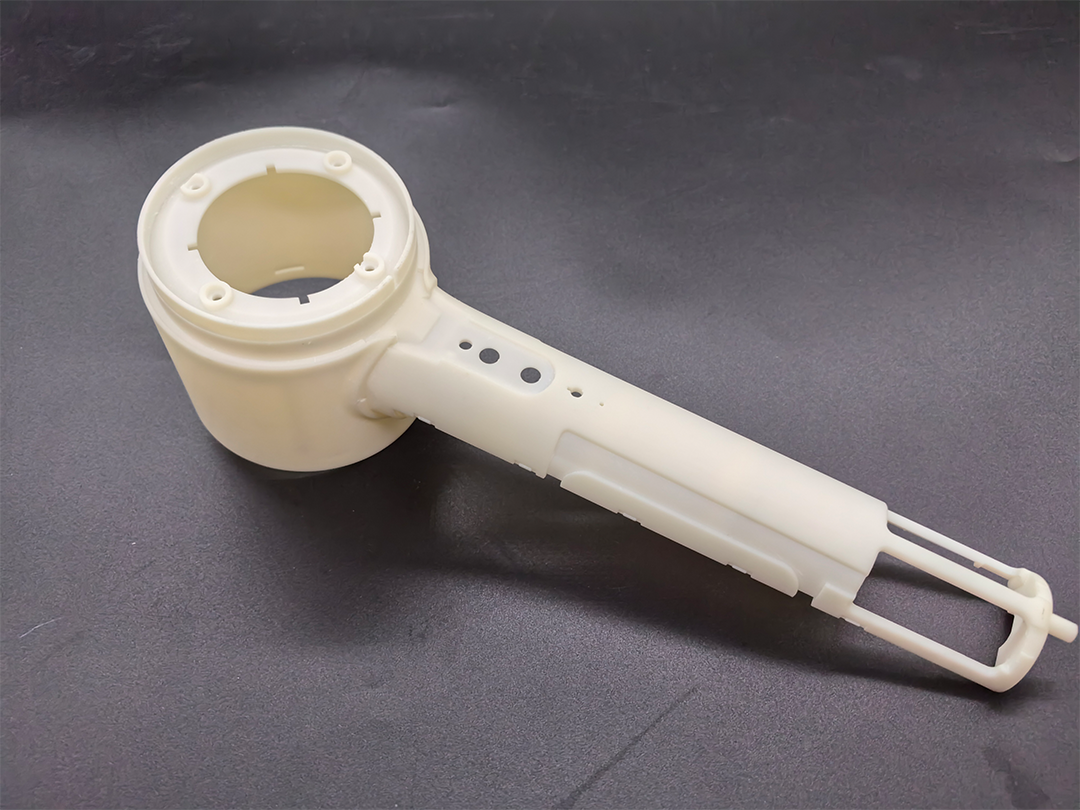
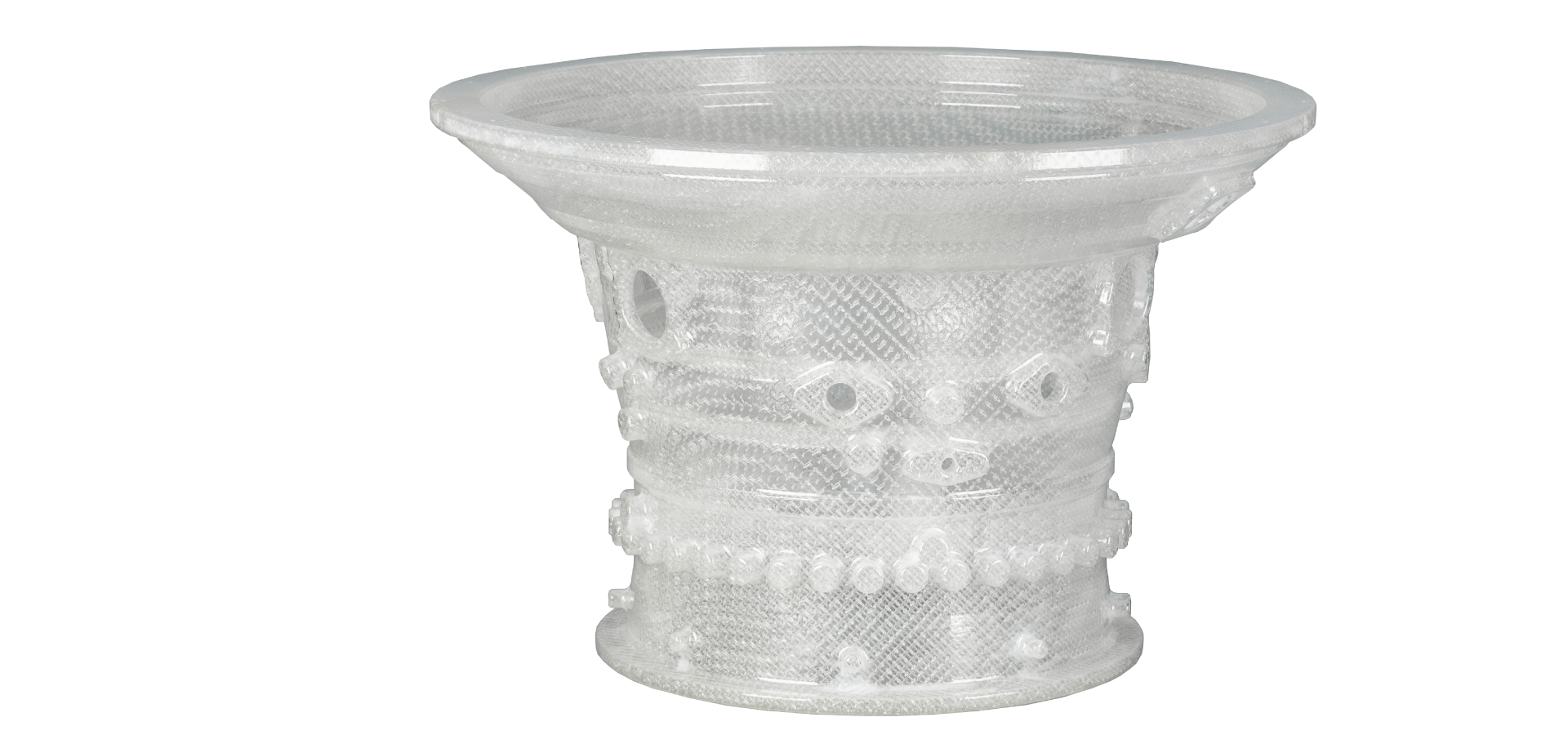
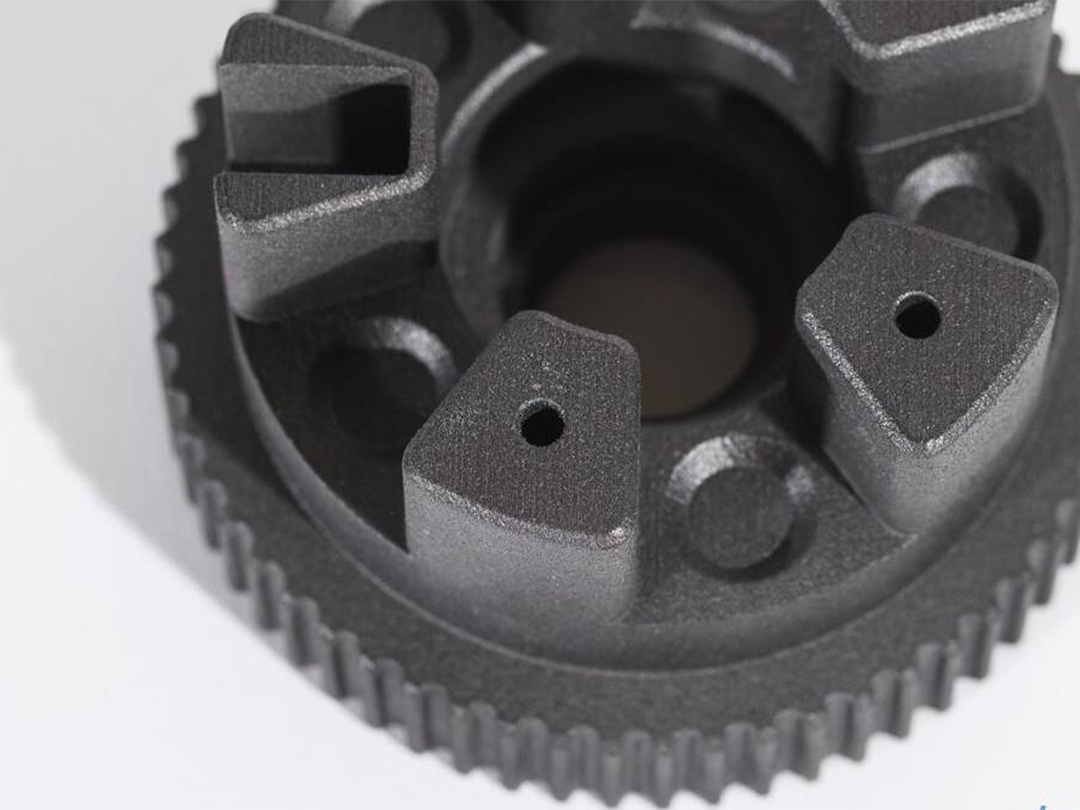
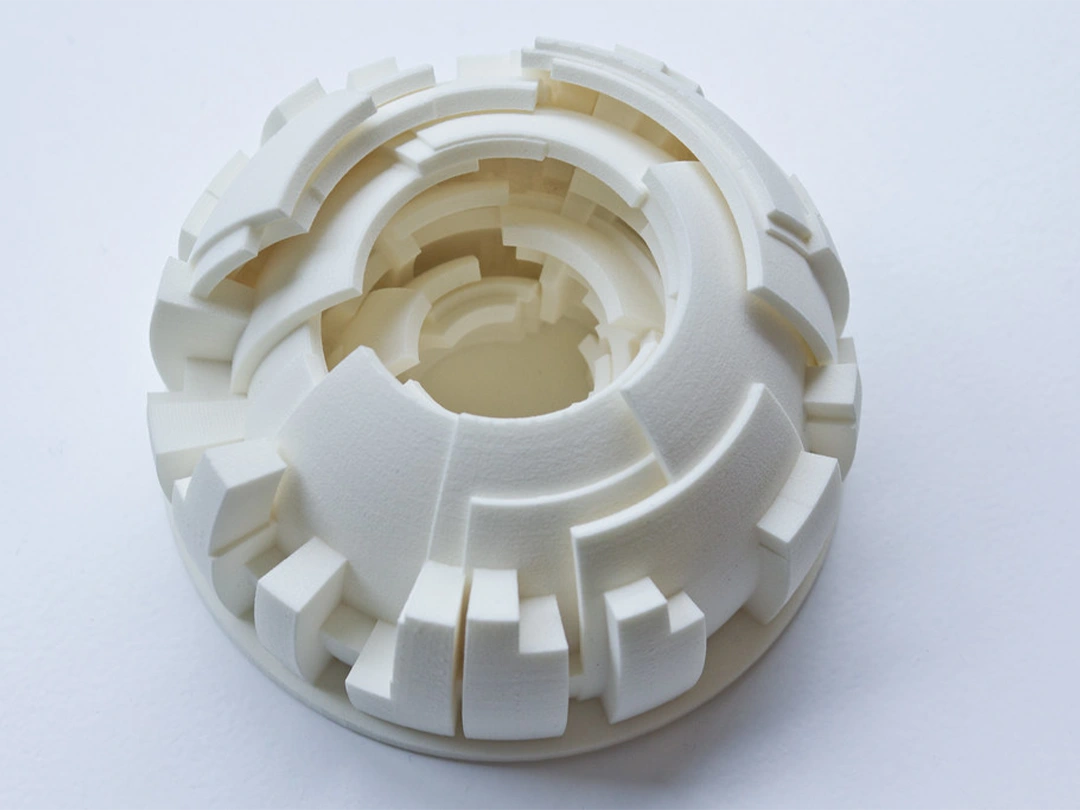
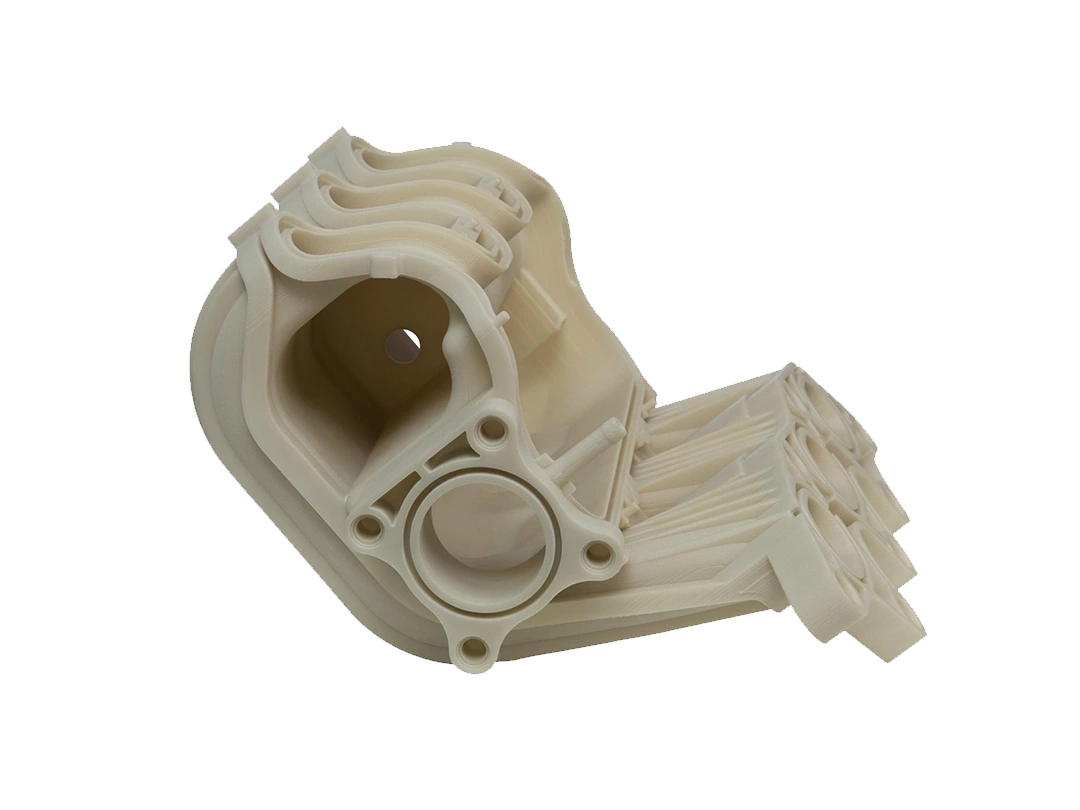
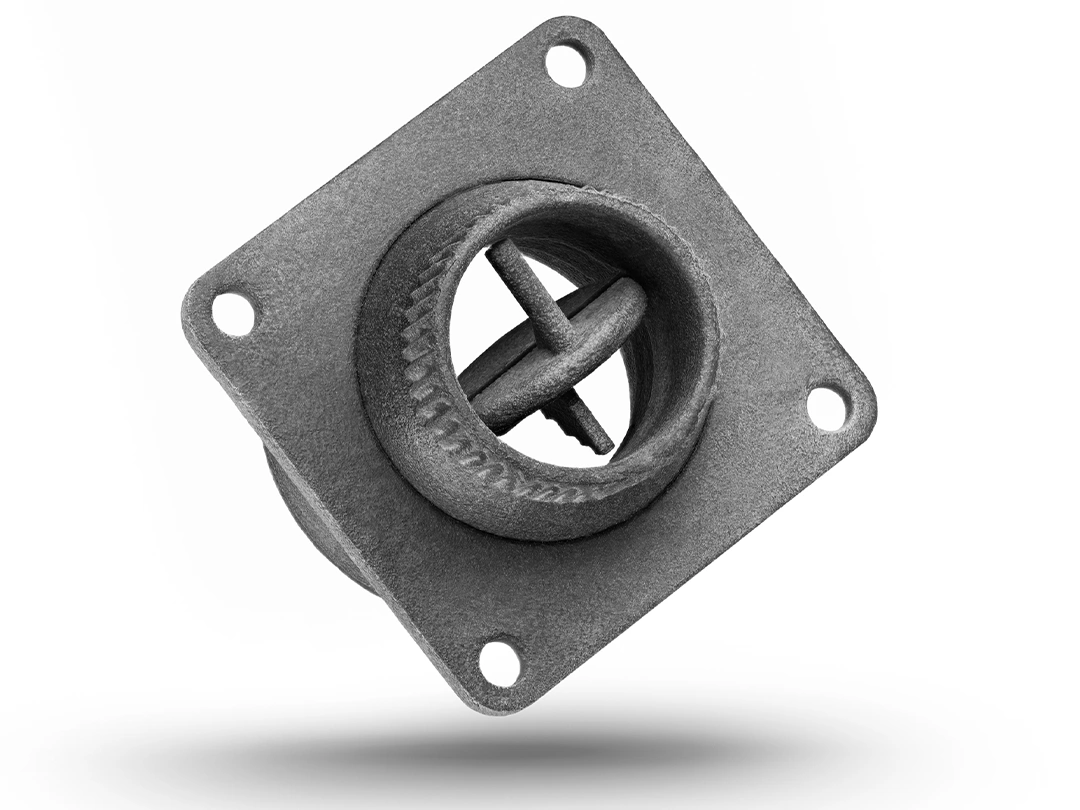
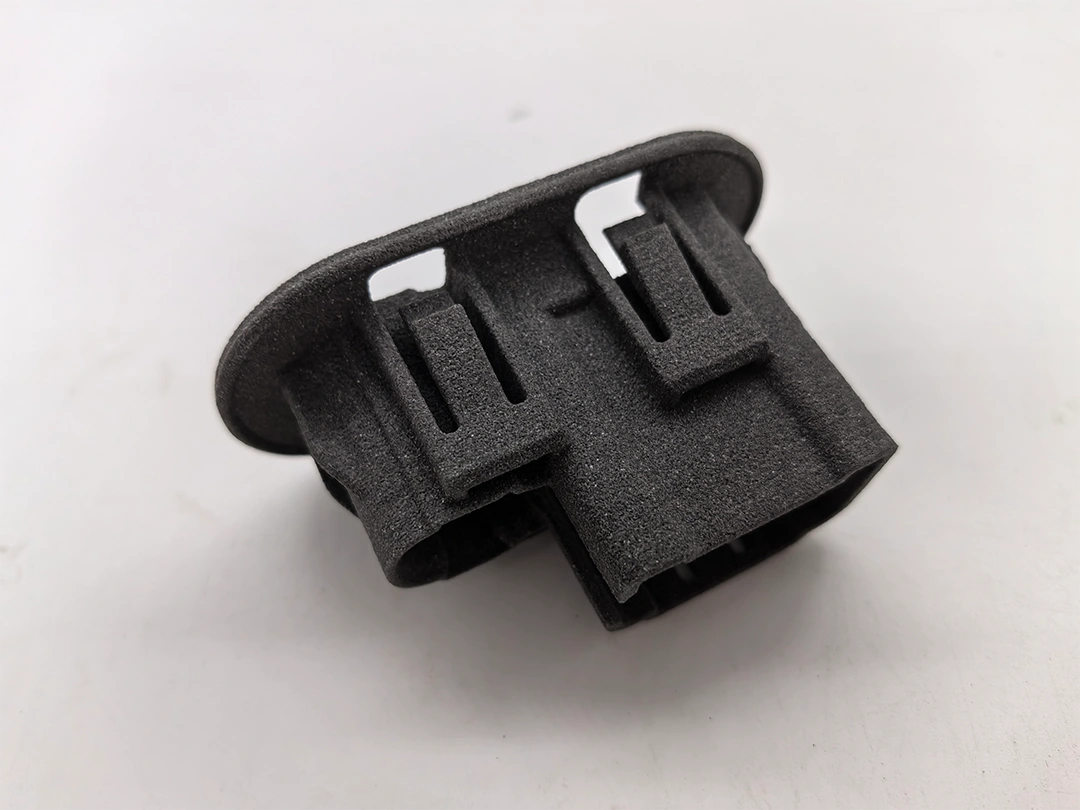
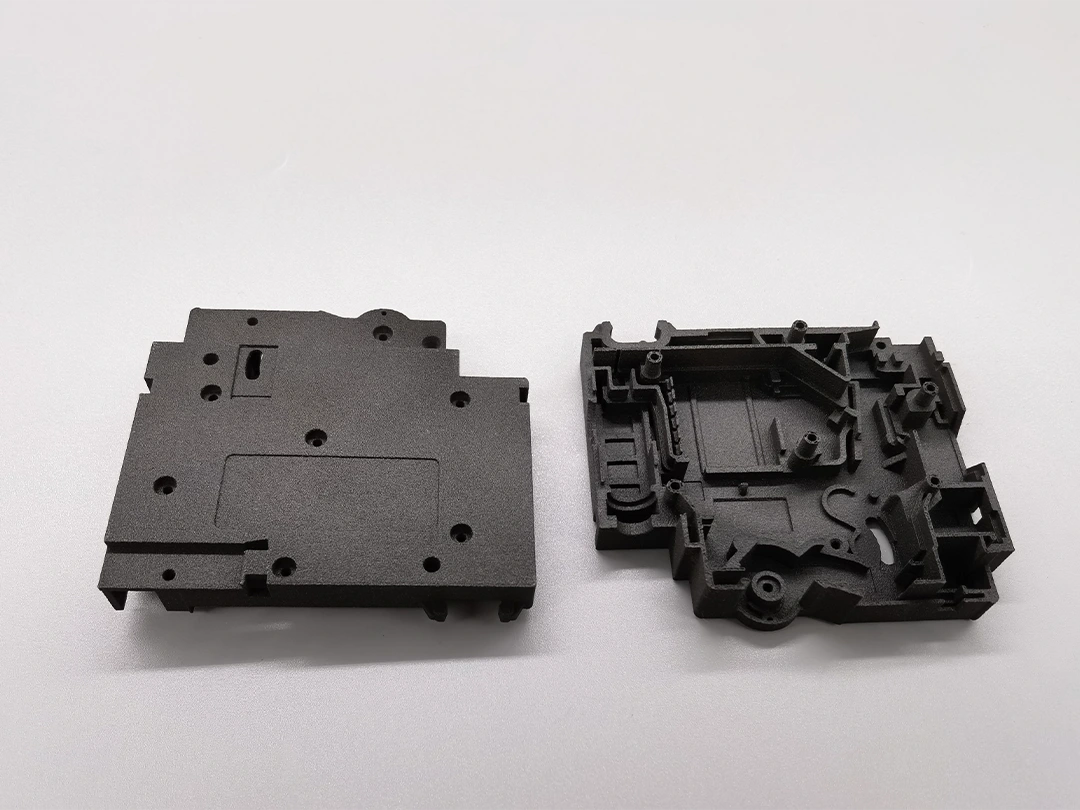
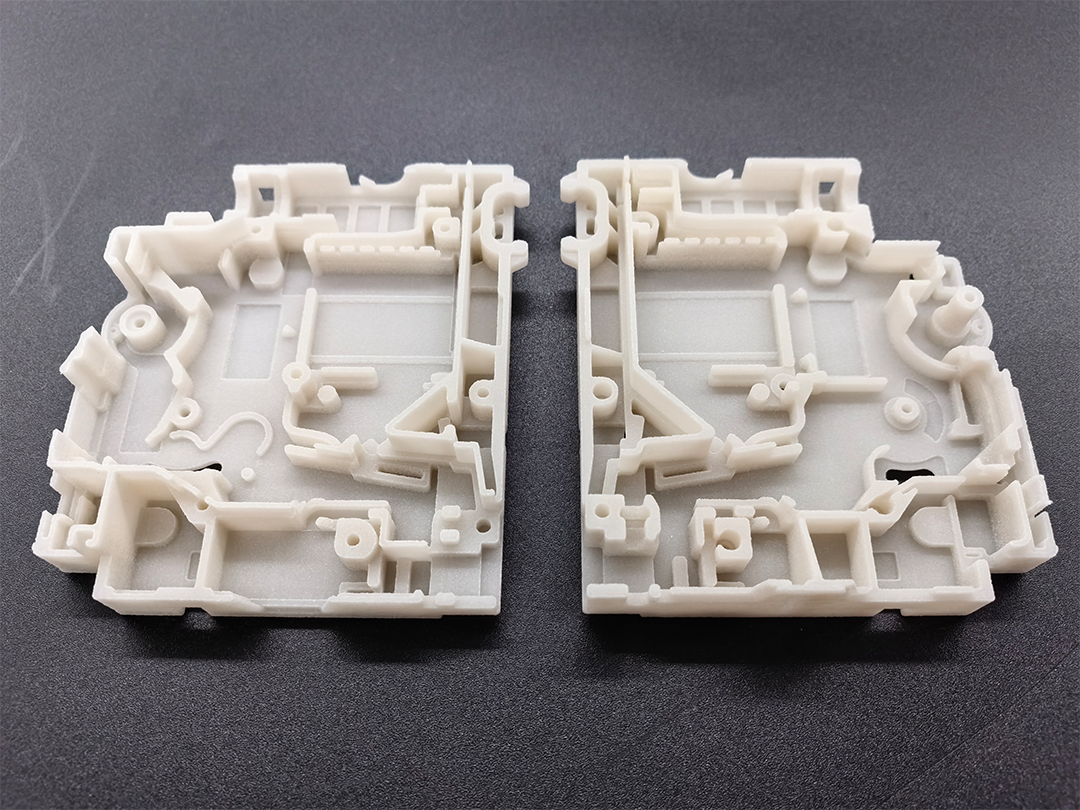
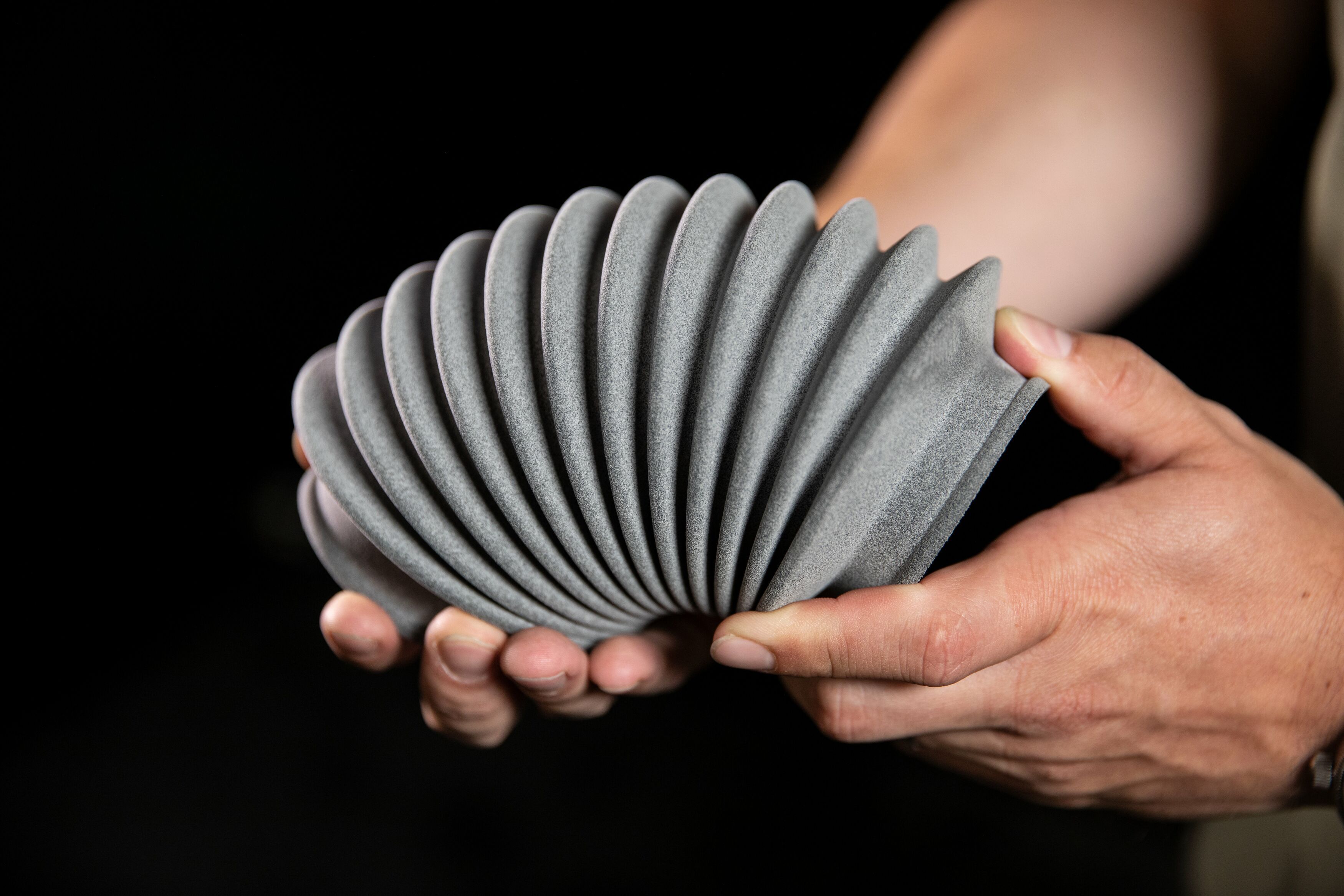
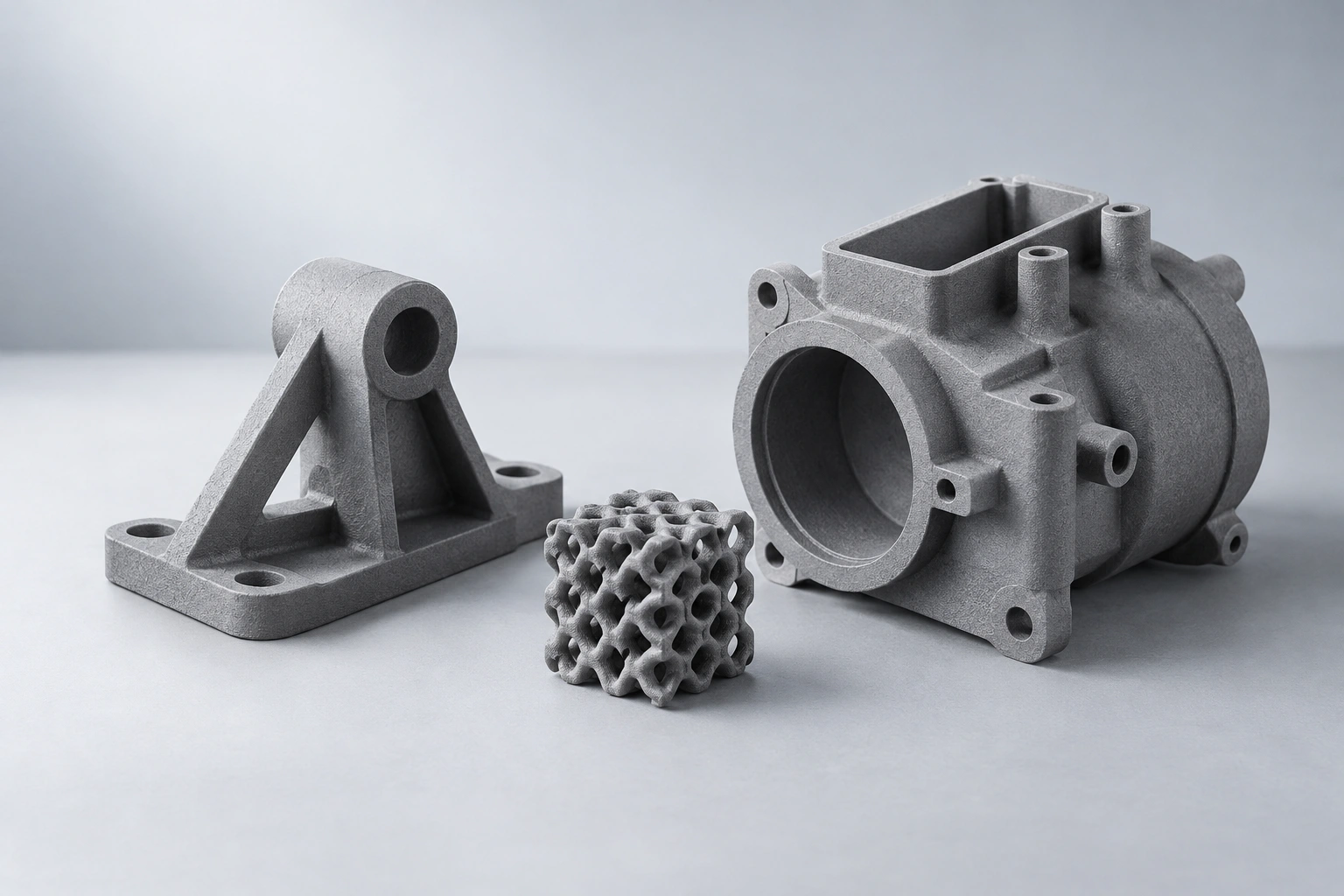
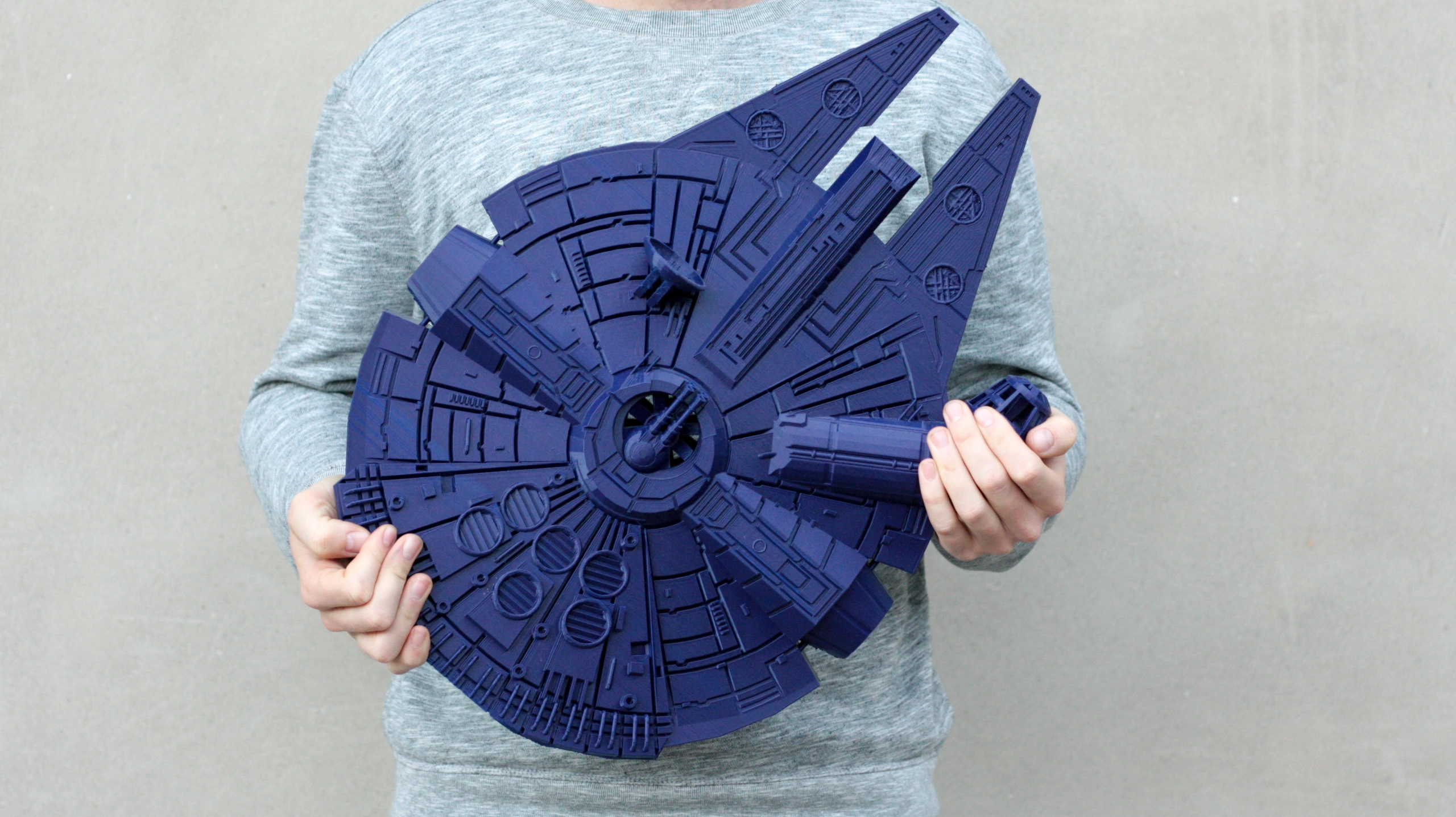
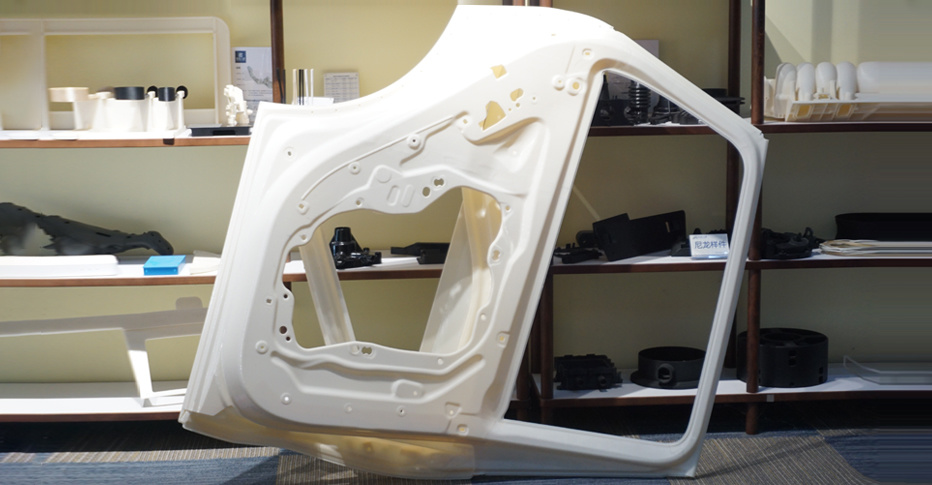
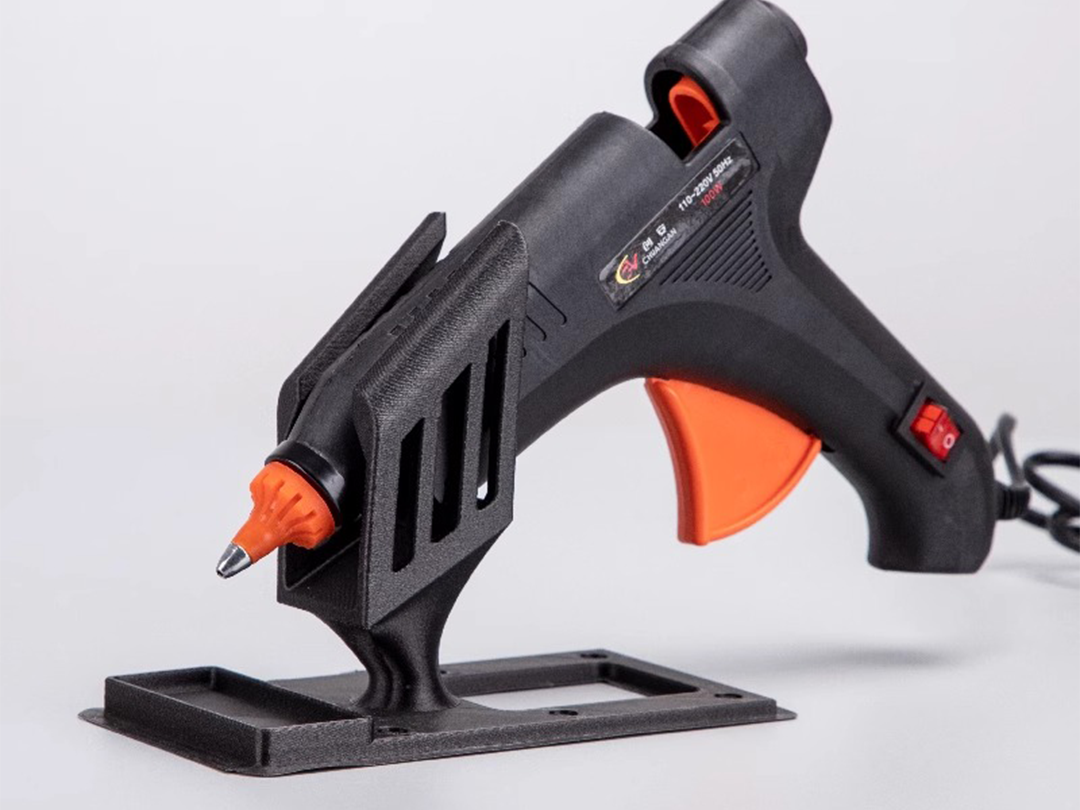
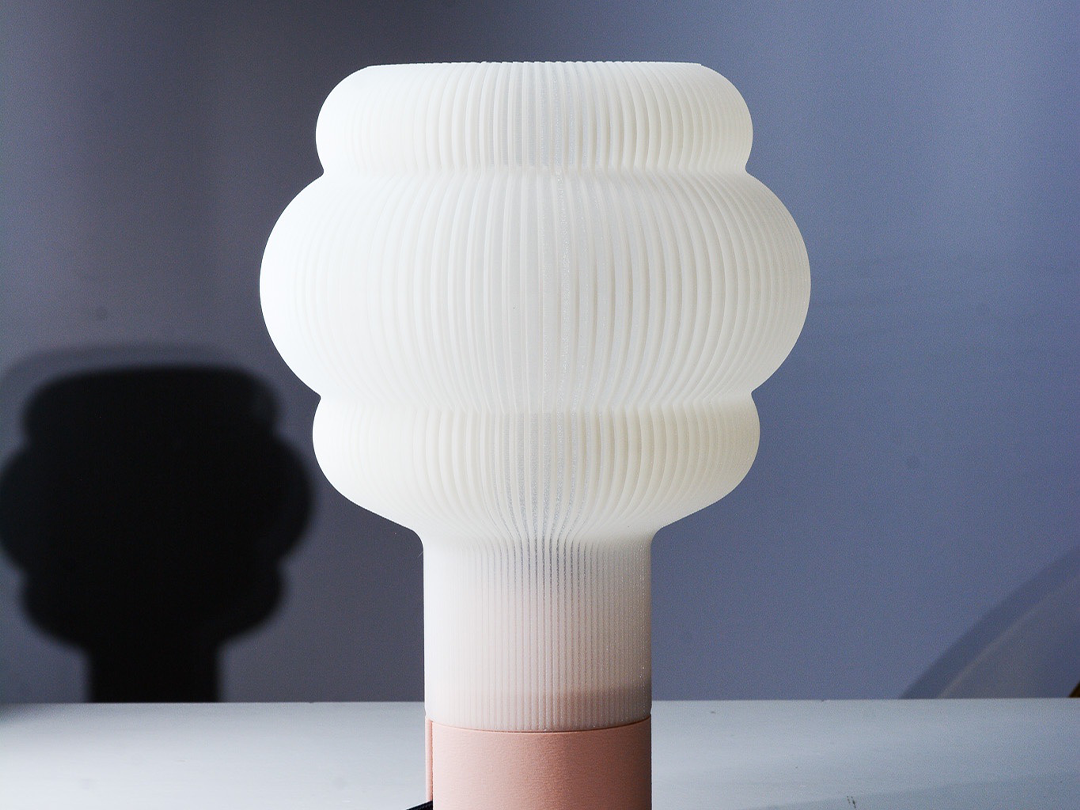
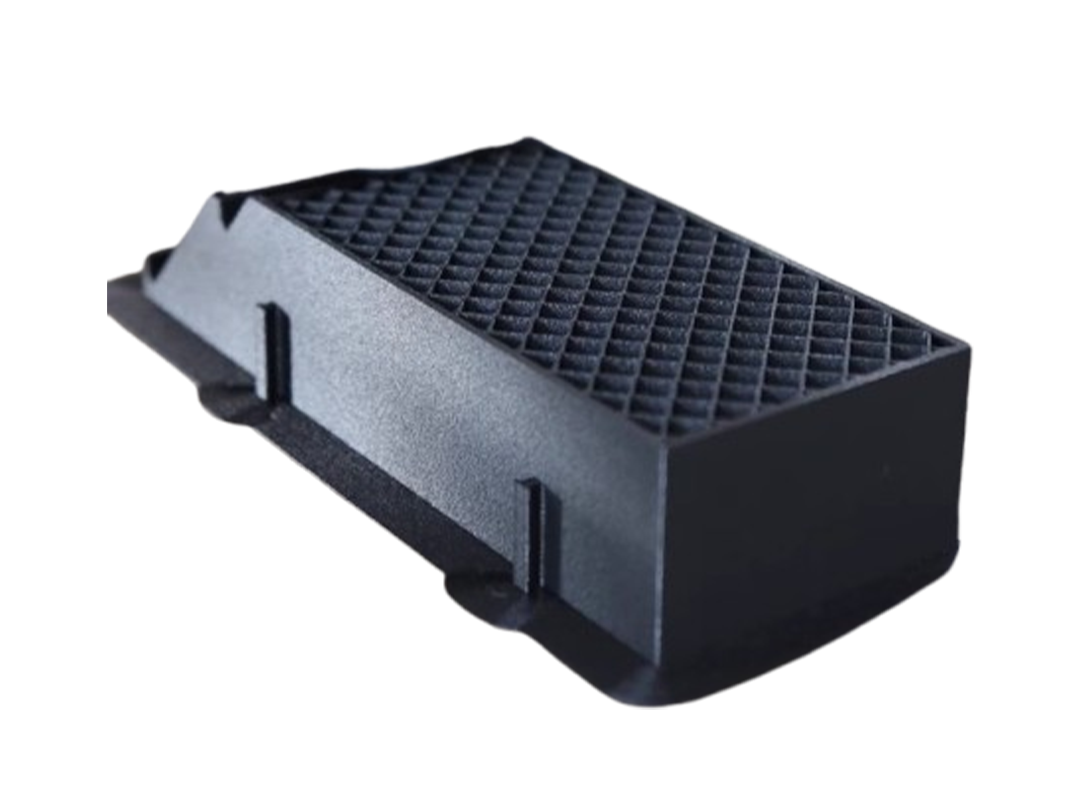
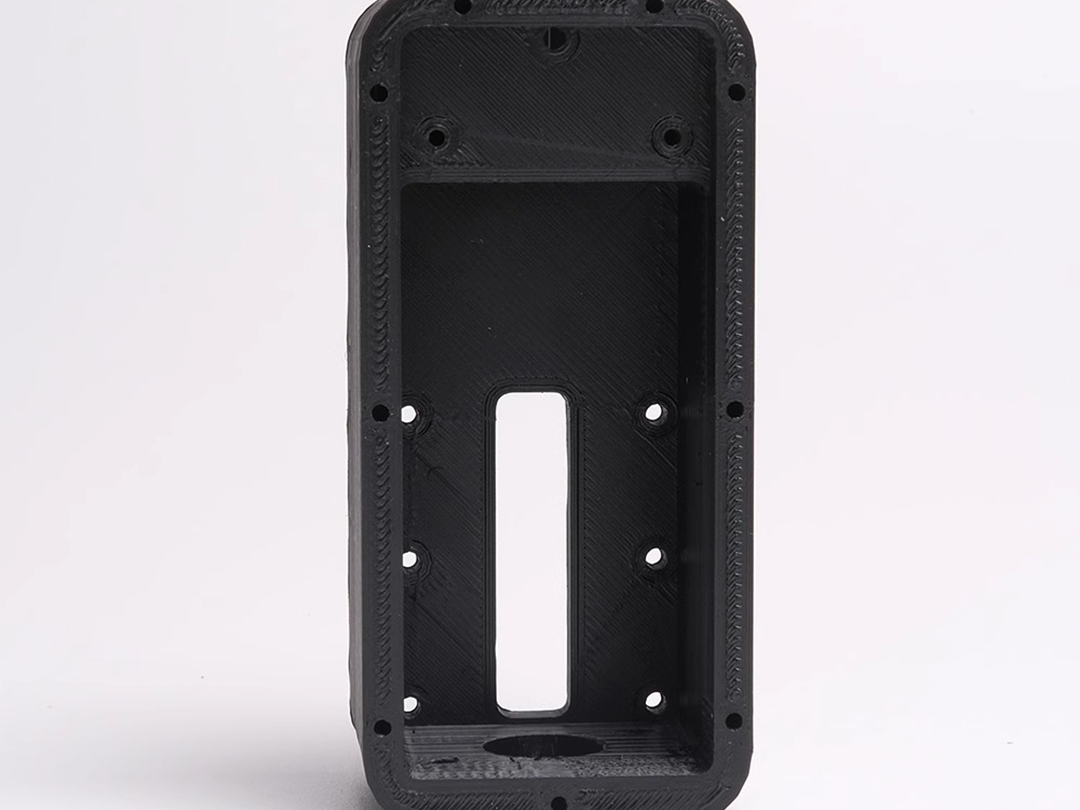
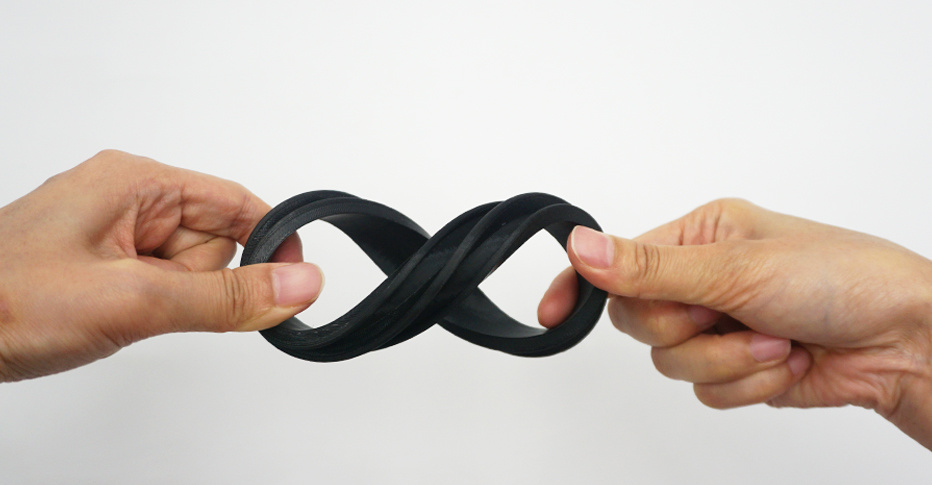
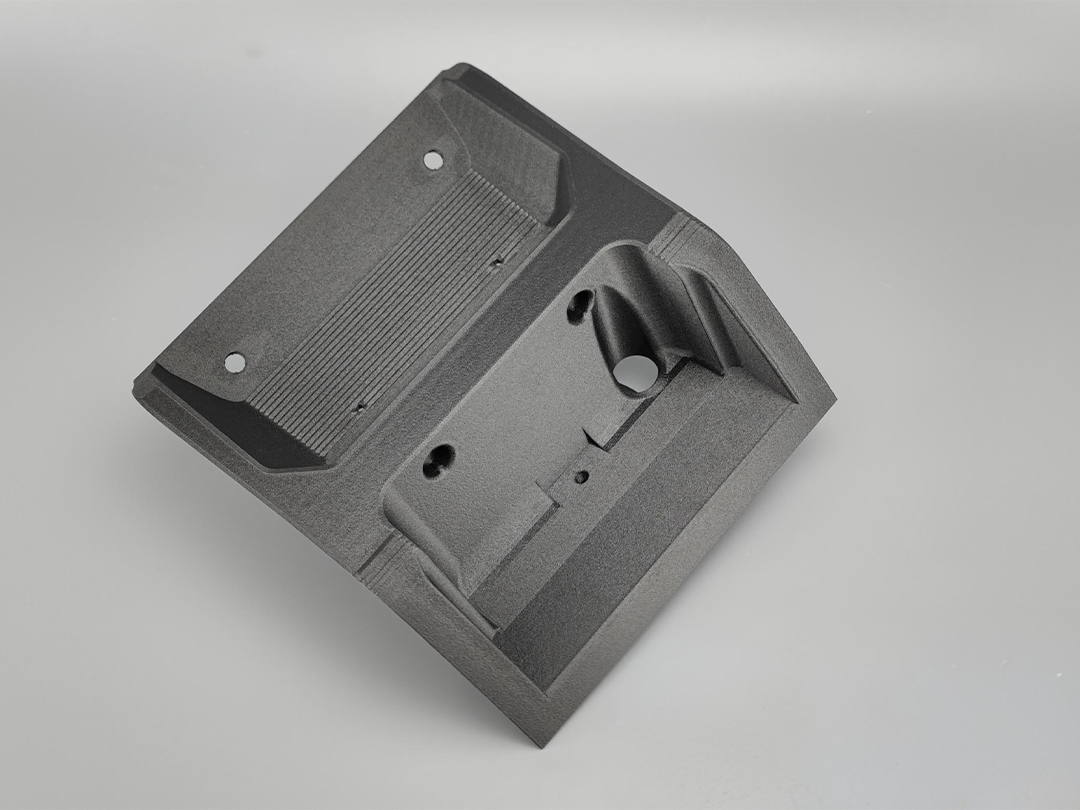
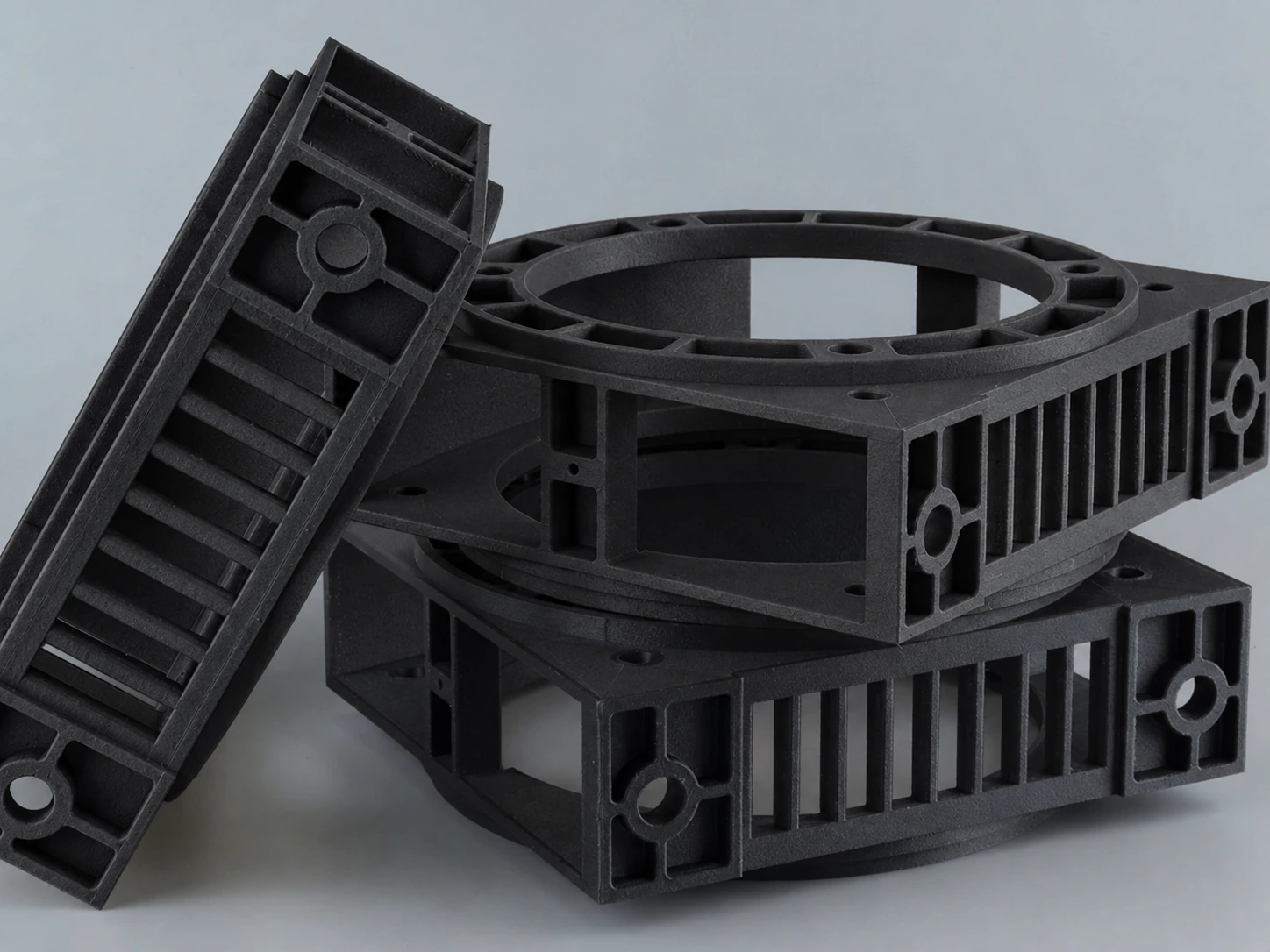
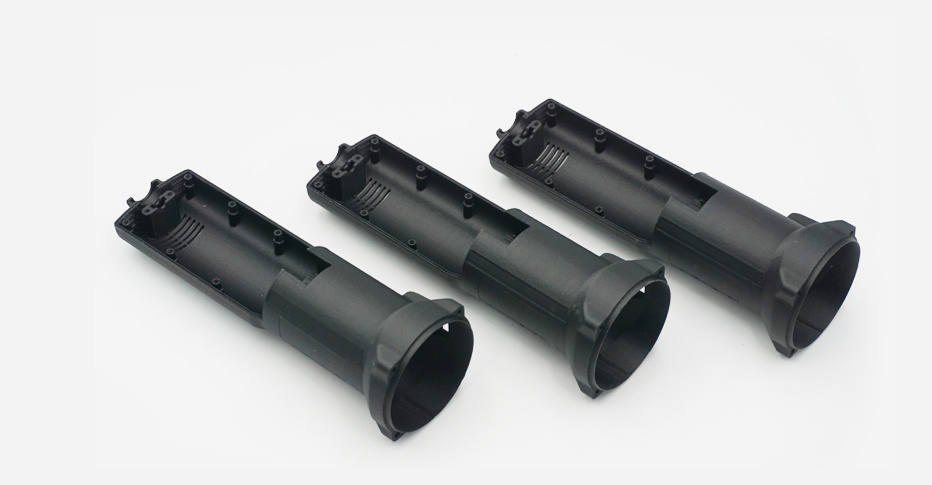
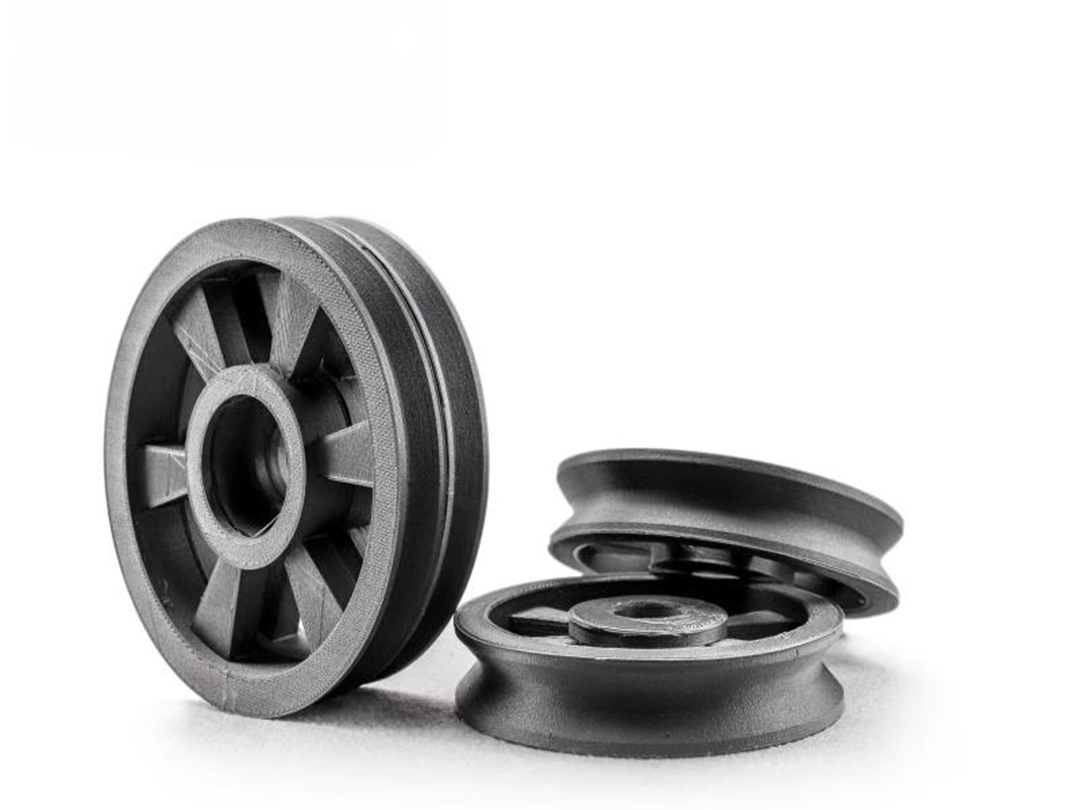
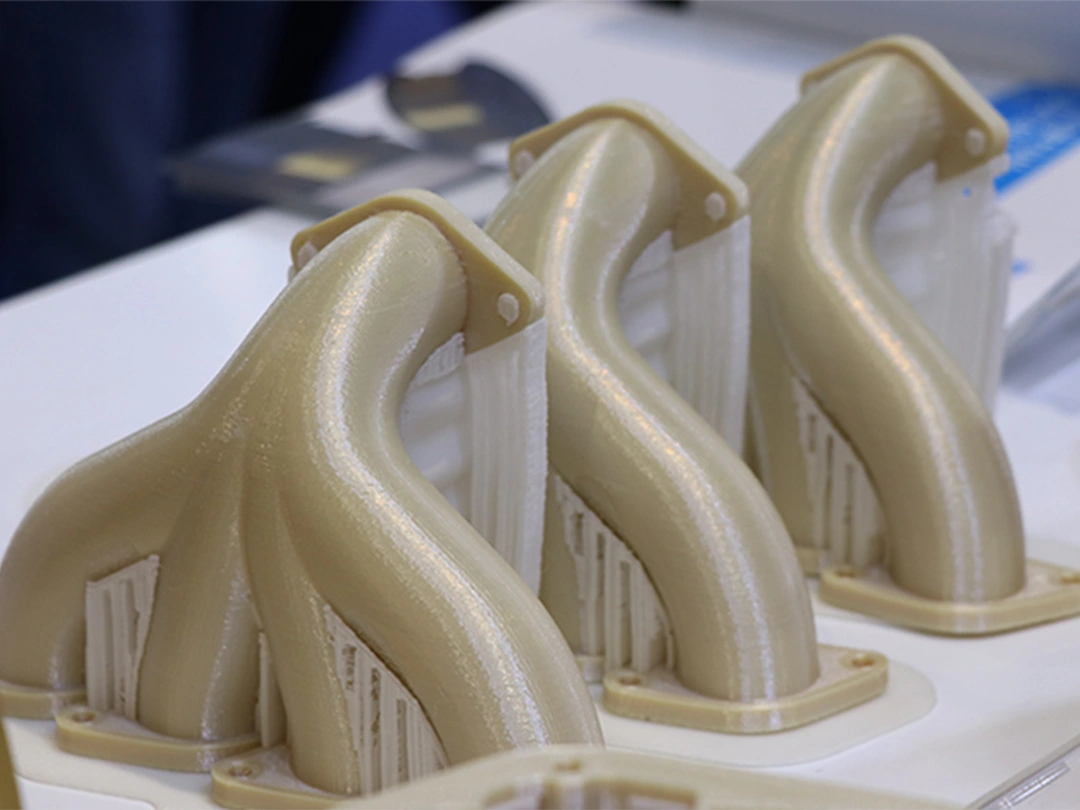
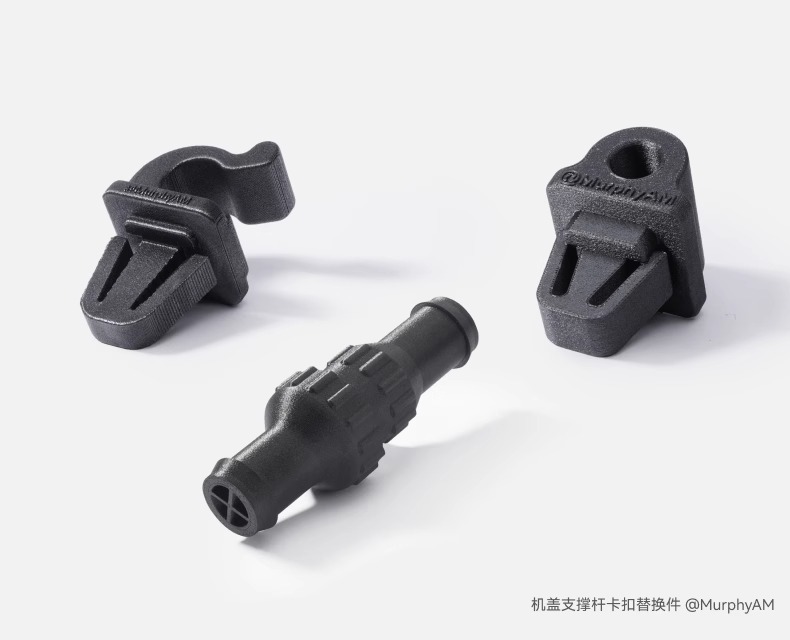
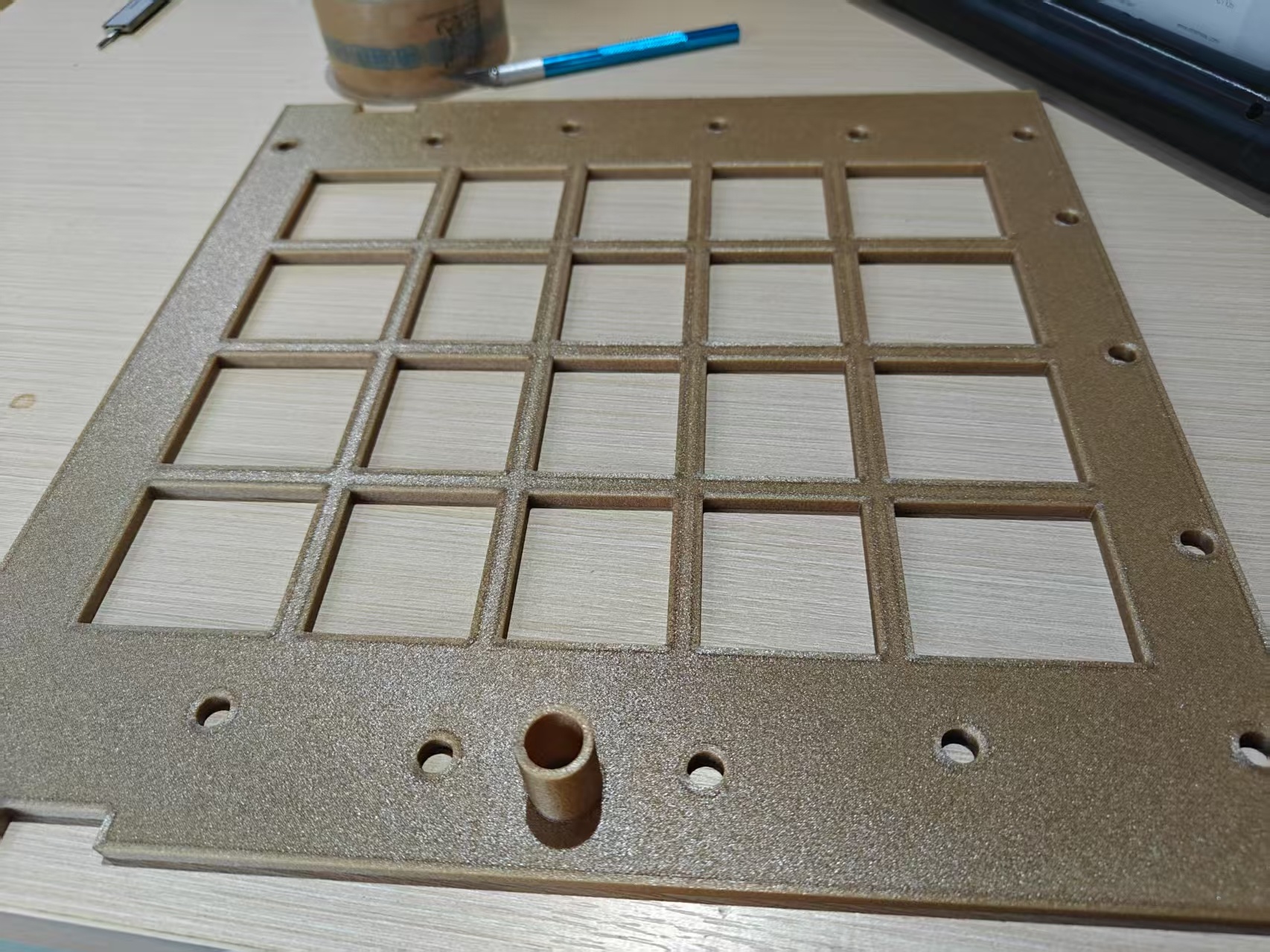
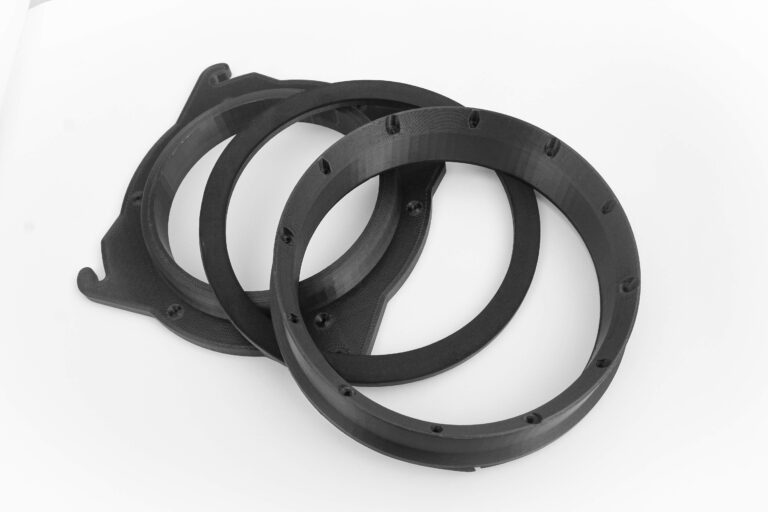
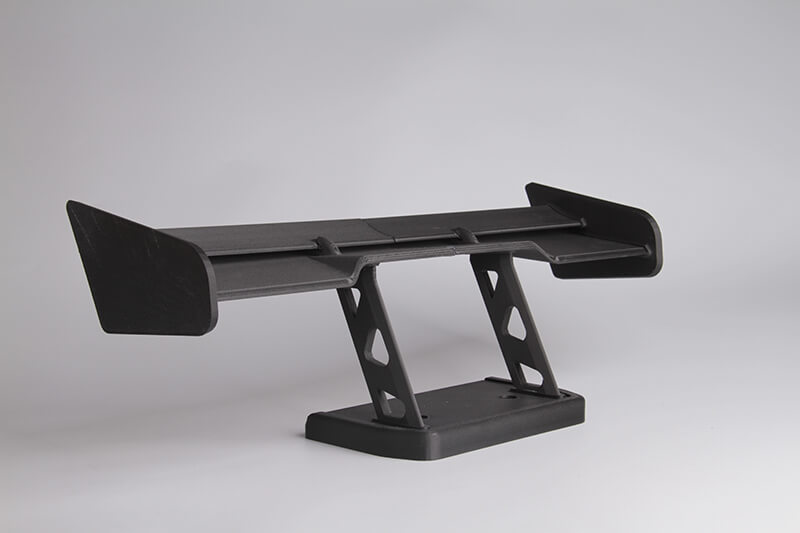
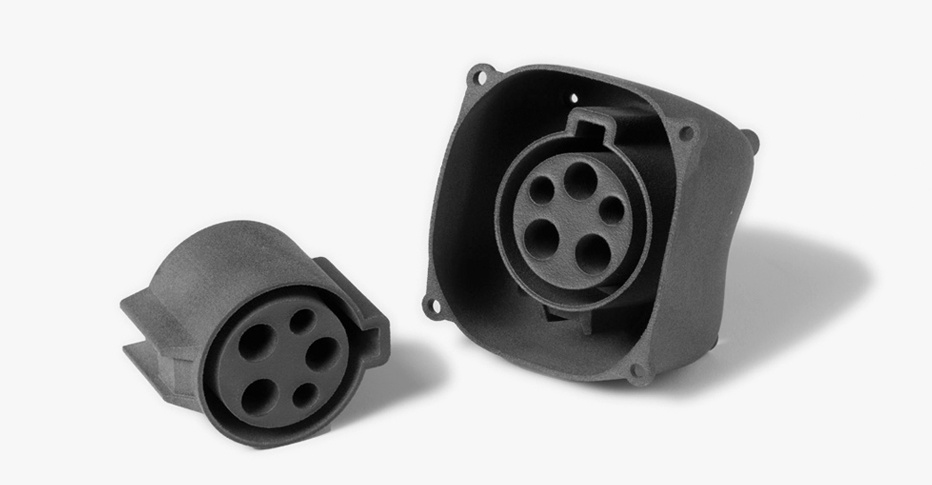
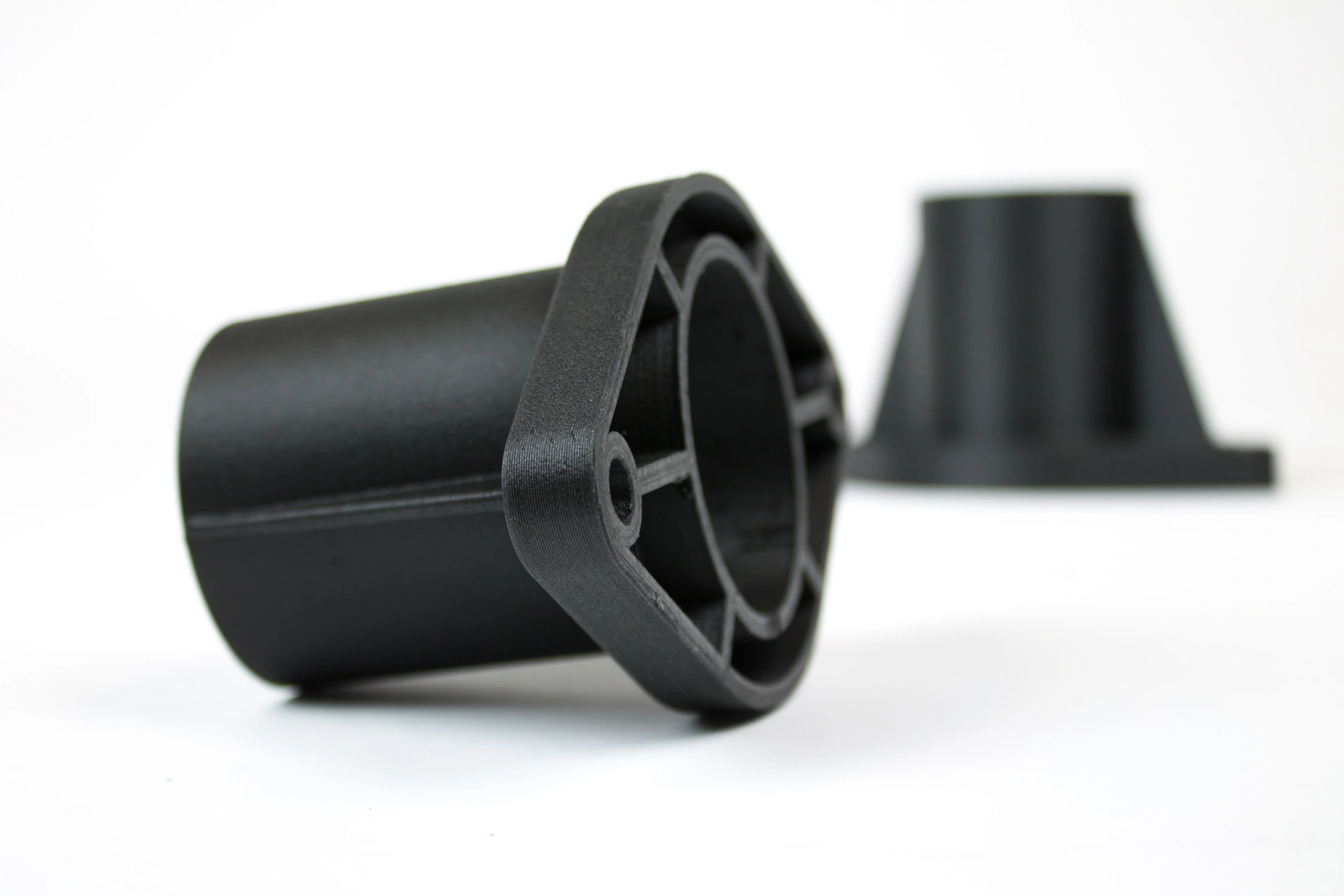
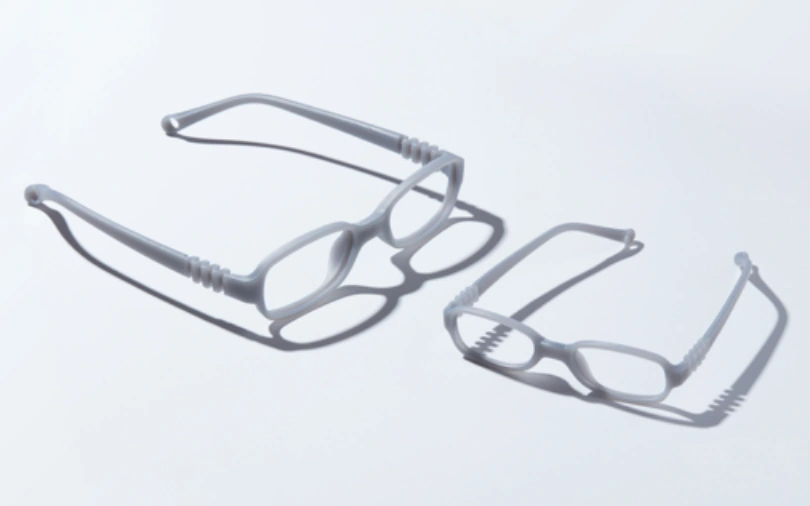
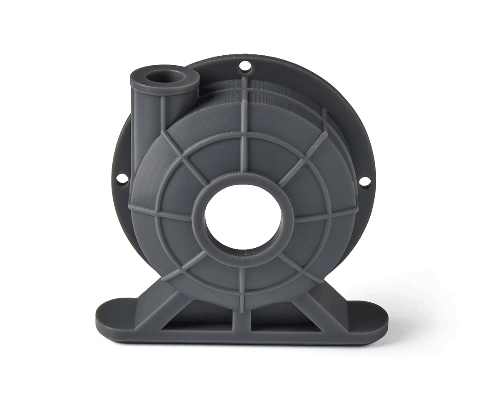
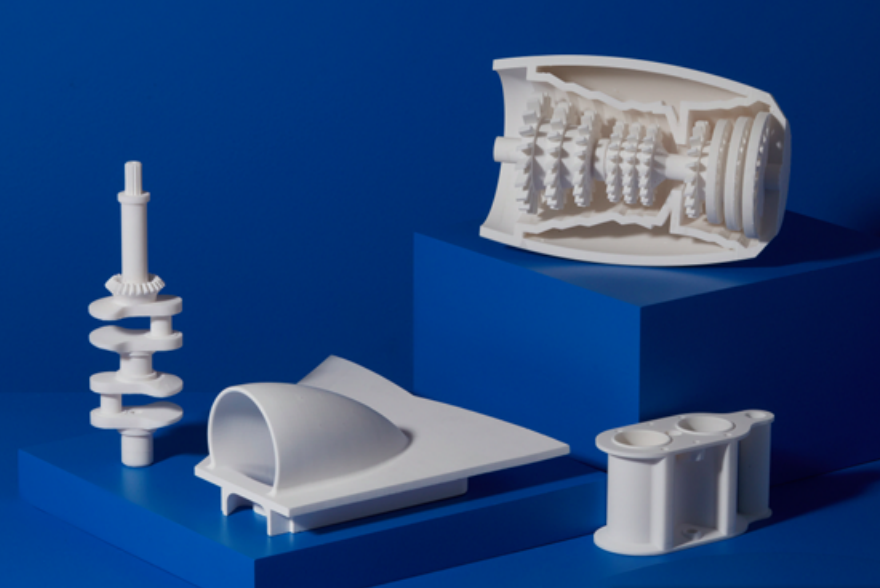
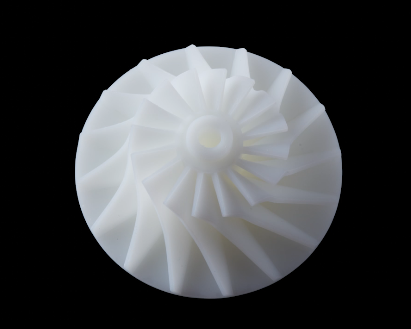
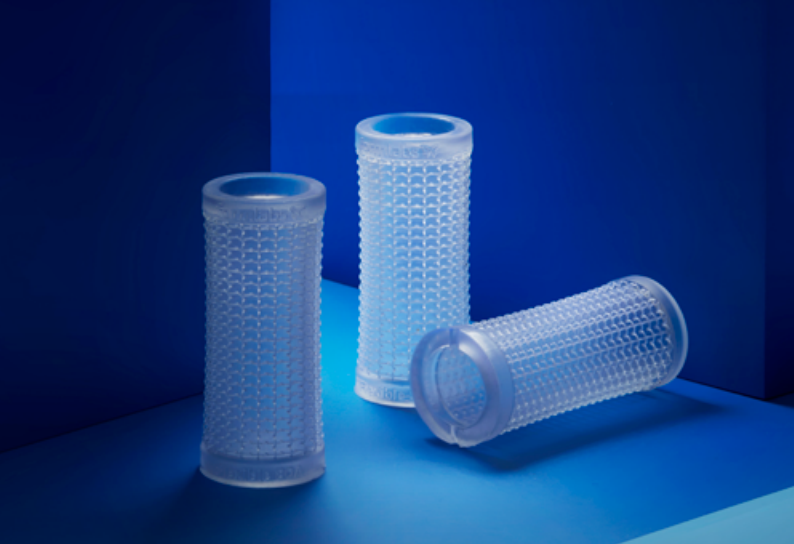
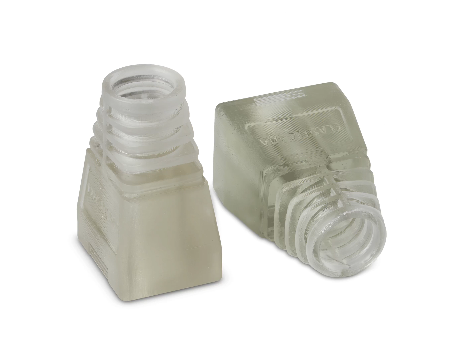
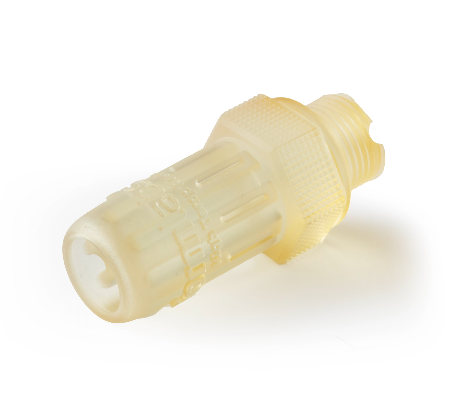
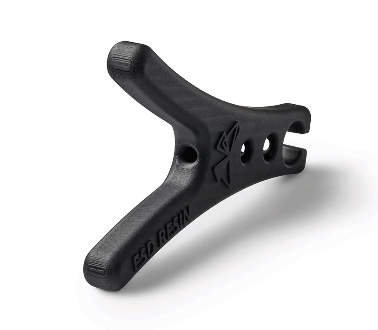
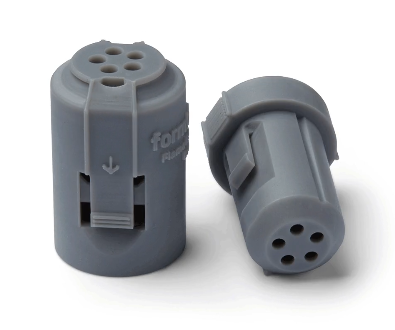
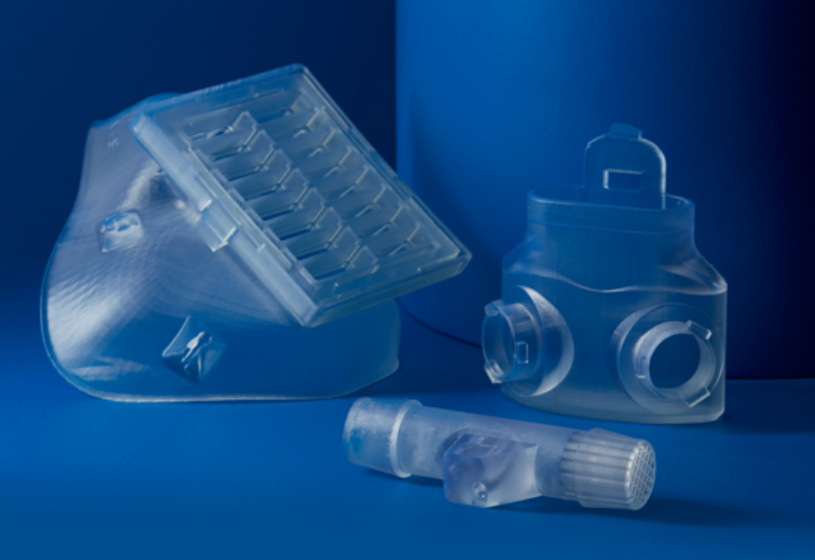
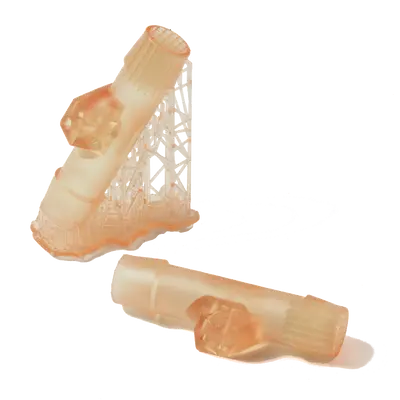
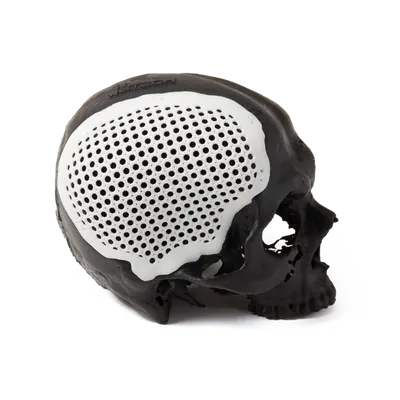
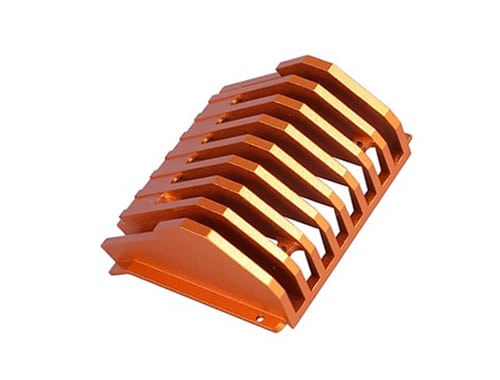
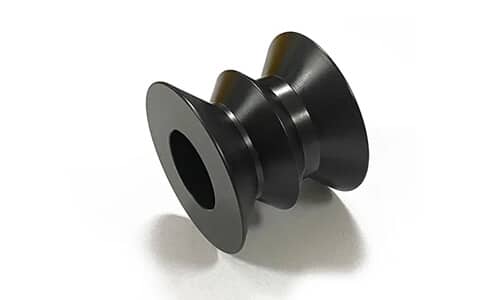
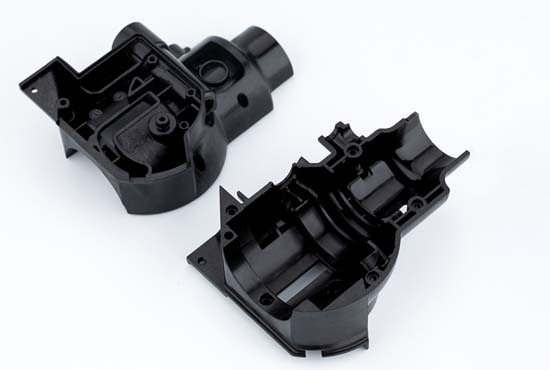
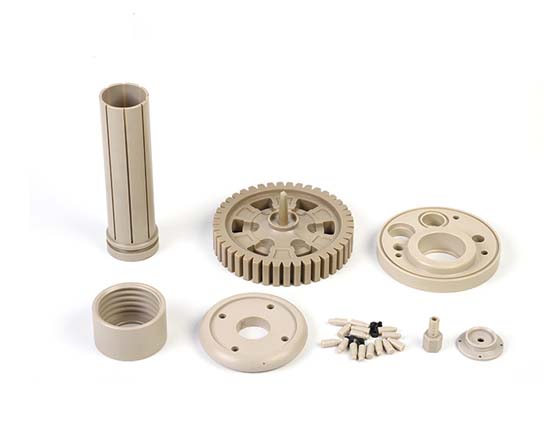
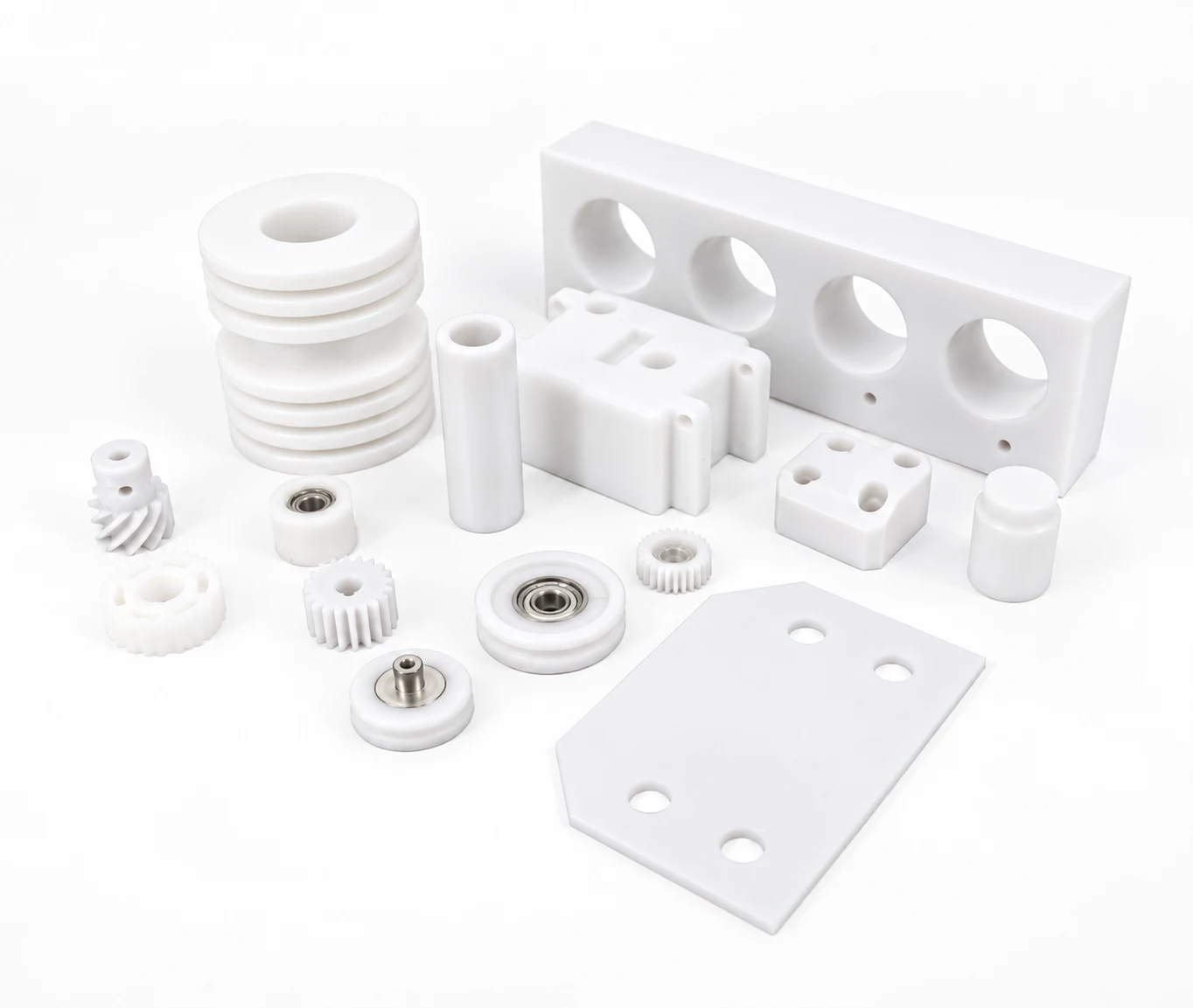
Explore every CK material by manufacturing process, real sample appearance and available colours.
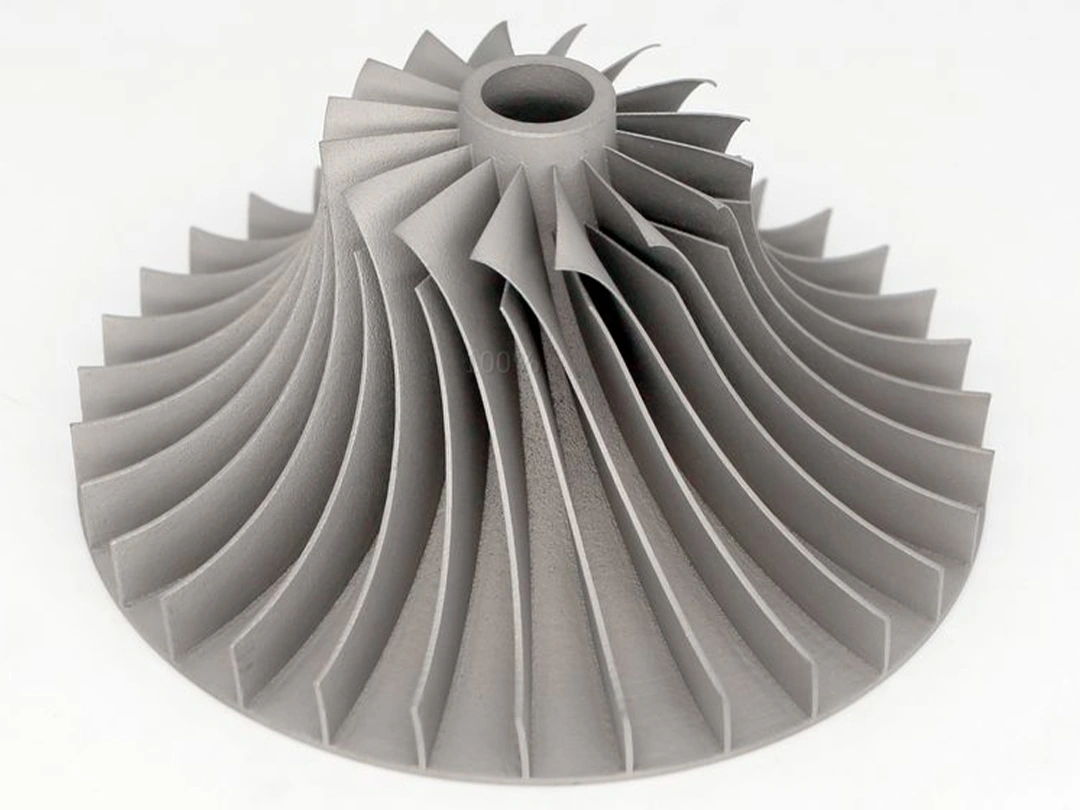
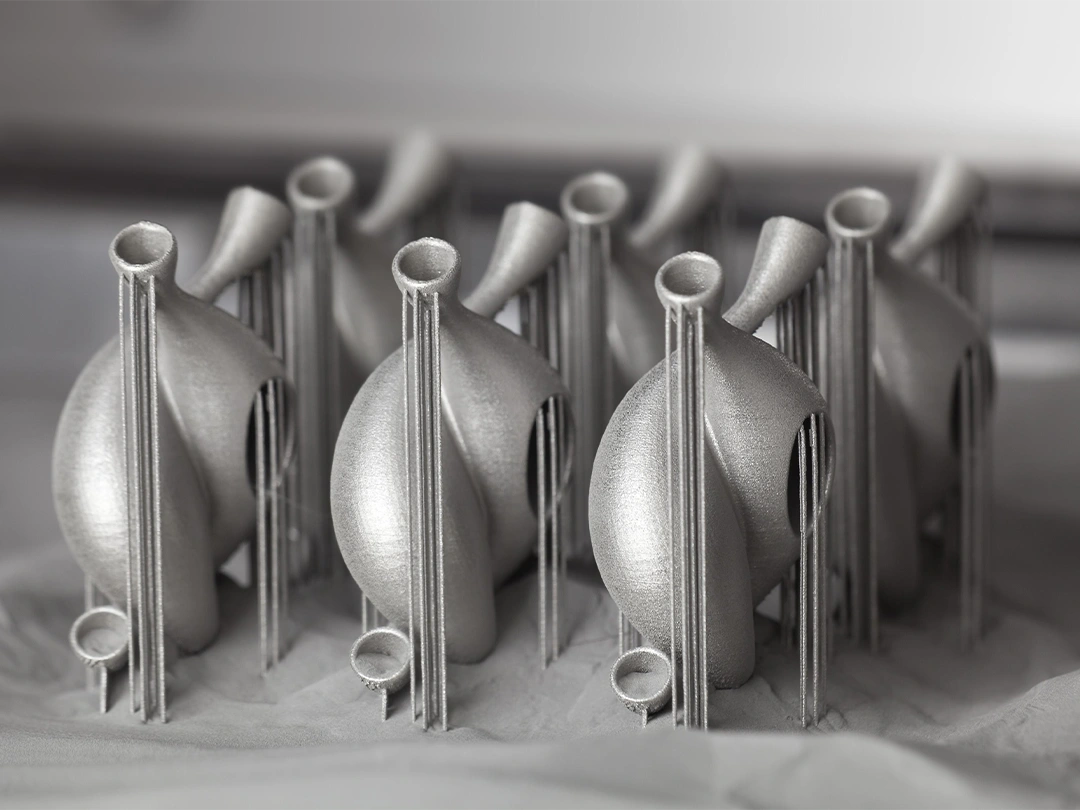
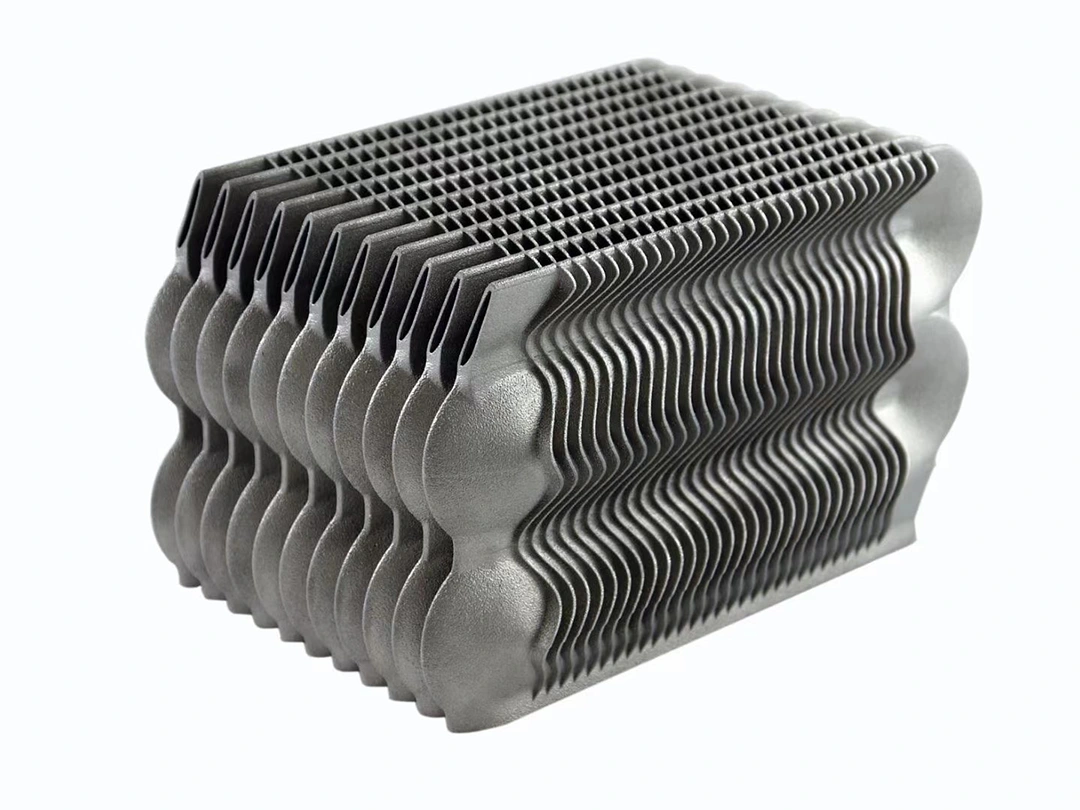
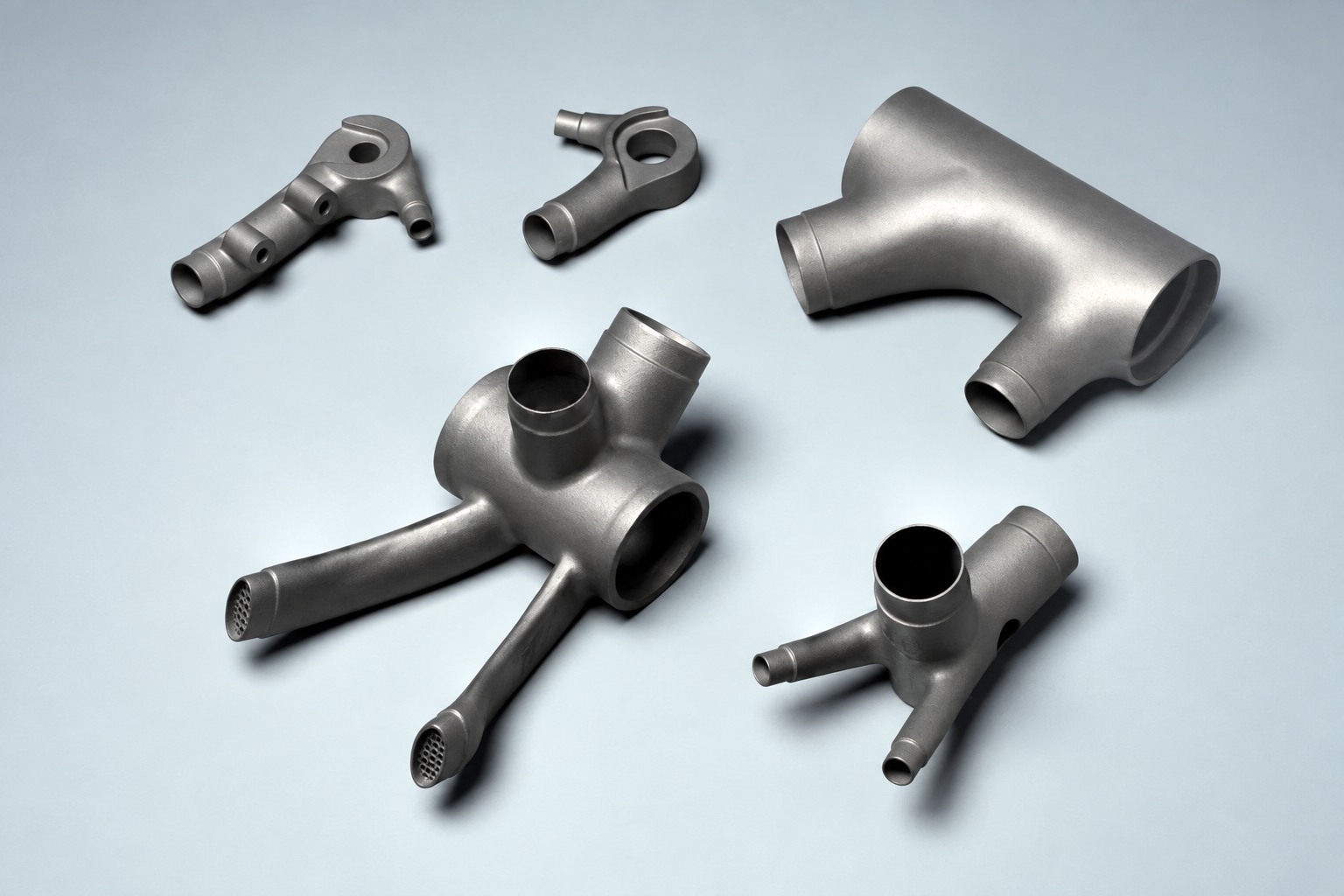
SLM / DMLS
Metal printing materials
9 material options
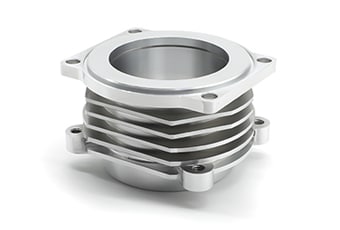
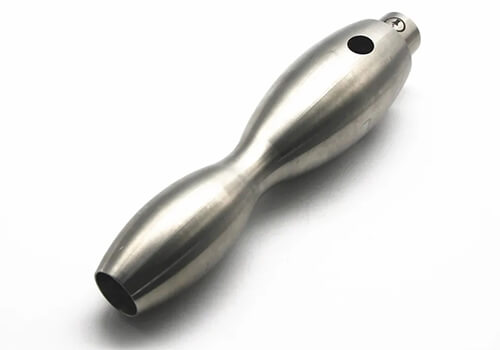
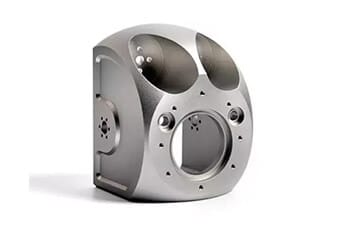
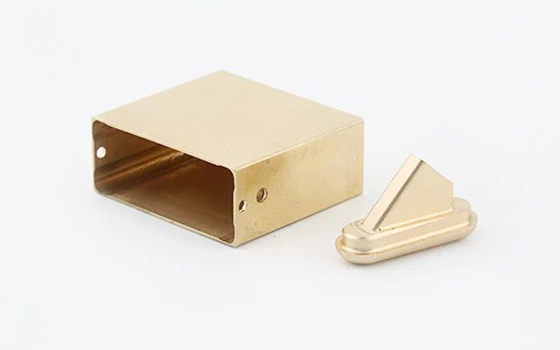
Material images and colour variants are references. Confirm grade, condition, colour and availability with quotation.
Silver-white
Silver-white
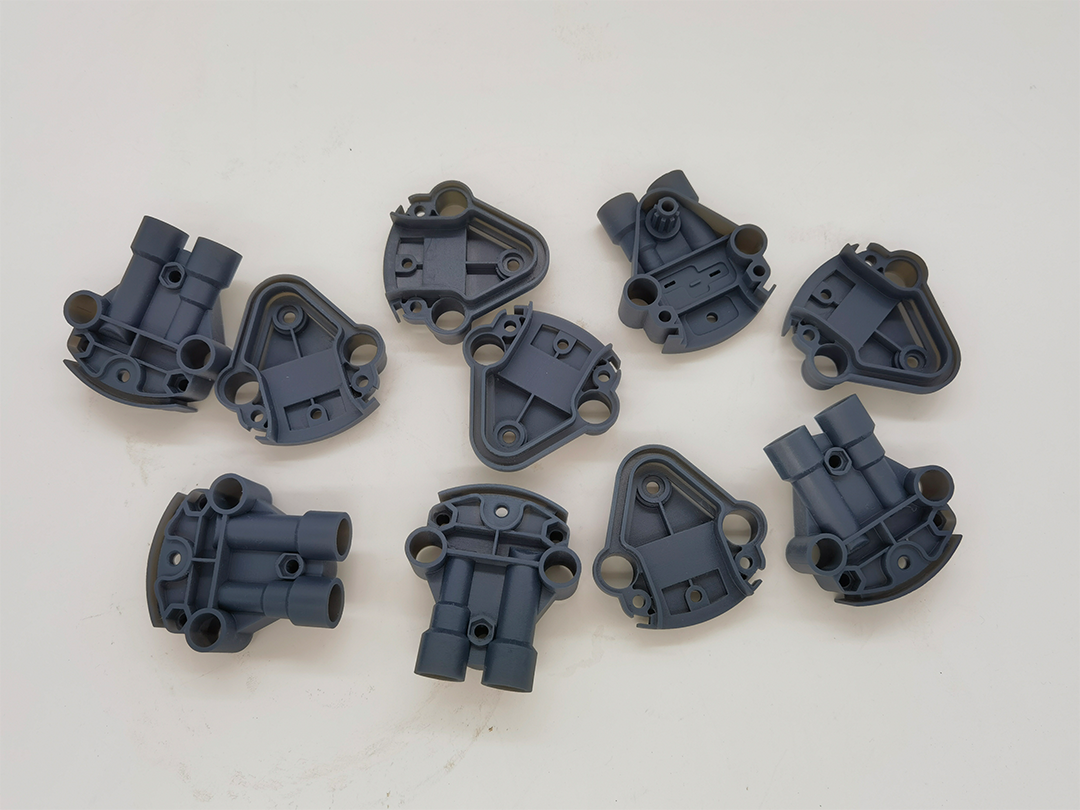
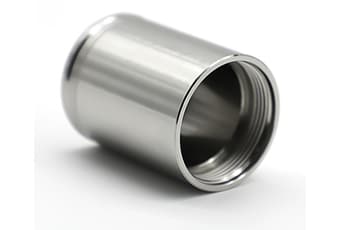
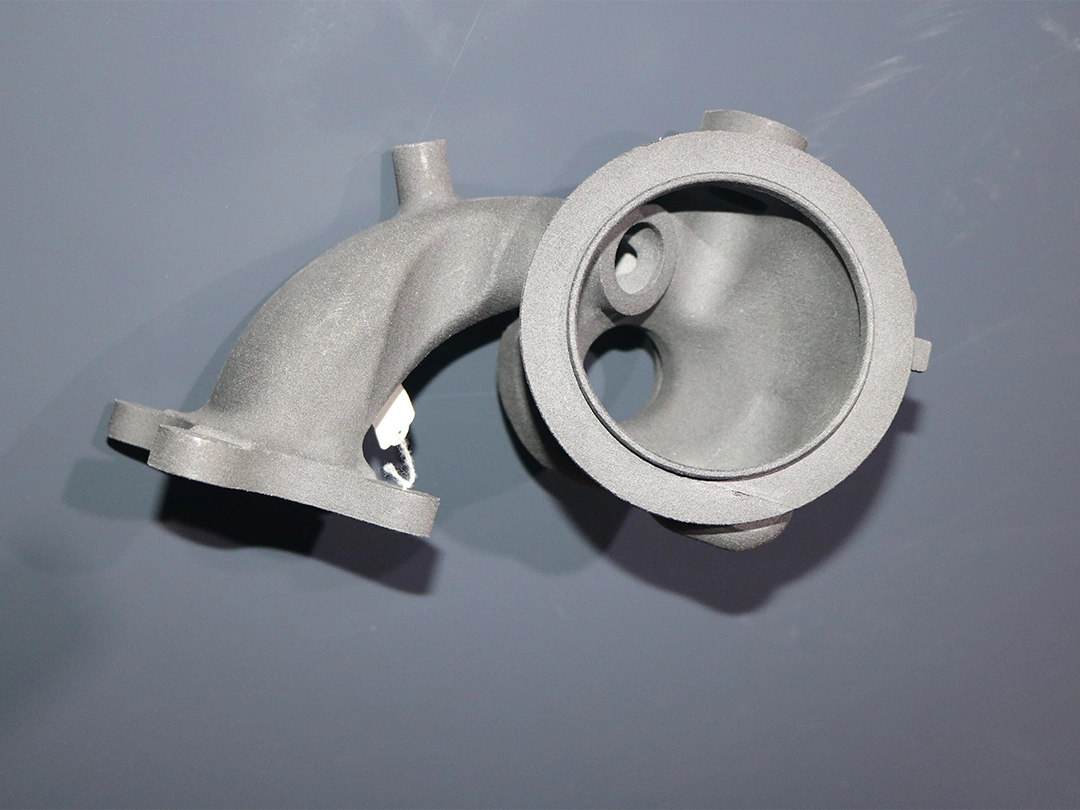
Original material reference image.
01 / SLM
316L Stainless Steel
An austenitic stainless steel for printed metal components where corrosion resistance and useful mechanical strength are important. The alloy can support a broad range of engineering applications.
Confirm the material condition and any corrosion or temperature requirements.
A hardenable stainless steel for components requiring high strength with corrosion resistance. Heat treatment and final material condition are important parts of the specification.
Agree the required heat-treatment condition before quotation.
A lightweight aluminium alloy for complex printed components. It offers a useful combination of strength, thermal stability and corrosion resistance, with CNC machining available for specified interfaces.
Define critical machined features and final surface requirements.
An aluminium alloy option listed by the supplier for metal printing. The description emphasises machinability, weldability and mechanical performance; the exact powder and process route need confirmation.
Confirm printing availability, powder grade and final material condition.
A titanium alloy for lightweight metal components requiring high strength and corrosion resistance. It is a candidate for demanding engineering applications where weight and durability matter.
Any medical or regulated use requires application-specific qualification.
A high-strength tooling steel for complex tools and mould-related components. Hardness and wear performance depend on the specified material condition and subsequent processing.
Agree the heat-treatment and final hardness requirements.
A nickel-based alloy for components exposed to demanding temperatures and mechanical loads. The supplier highlights creep resistance and corrosion resistance for complex printed geometries.
Confirm operating temperature, material condition and required documentation.
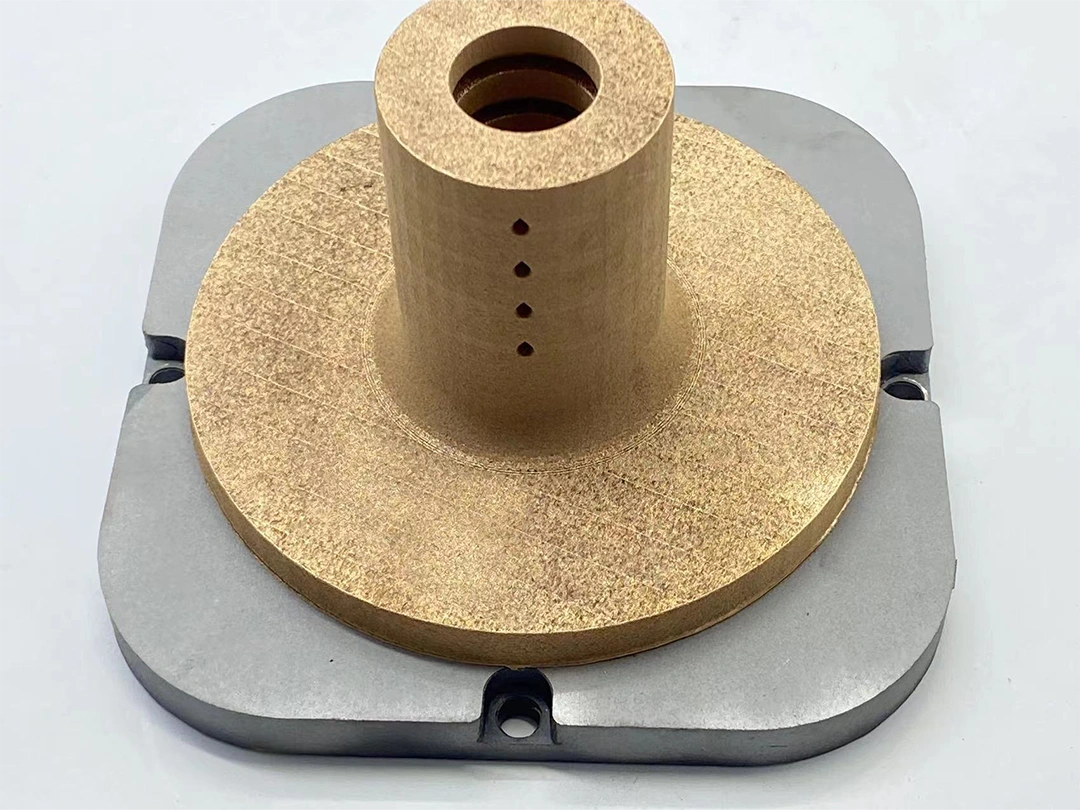
A tin-bronze alloy for printed parts where wear and corrosion resistance are important. The supplier highlights the possibility of complex details such as thin walls and internal channels.
Review minimum features and the intended service environment.
Material family
Copper alloy
Manufacturing route
SLM
Grades / designation
CuSn10 Bronze
Listed colours
Yellow-bronze, Finish colours (Dark grey, Dark grey, Custom colours)
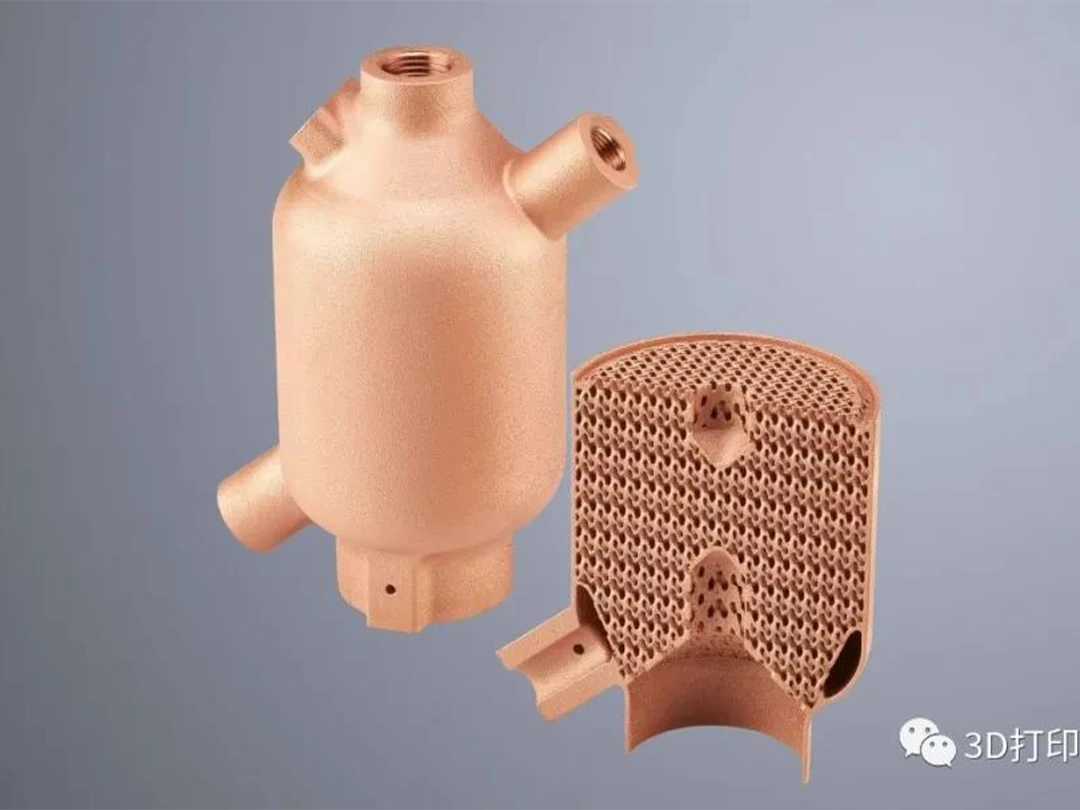
A copper-chromium-zirconium alloy combining strength with conductivity. It is a candidate for complex conductive components, including geometries with internal channels.
Confirm conductivity targets and the final material condition.
No matching materials. Try another grade or clear the filter.
SLA · DLP · SLS · MJF · FDM · PolyJet
Plastic & nylon printing materials
70 material options
Material images and colour variants are references. Confirm grade, condition, colour and availability with quotation.
White
White
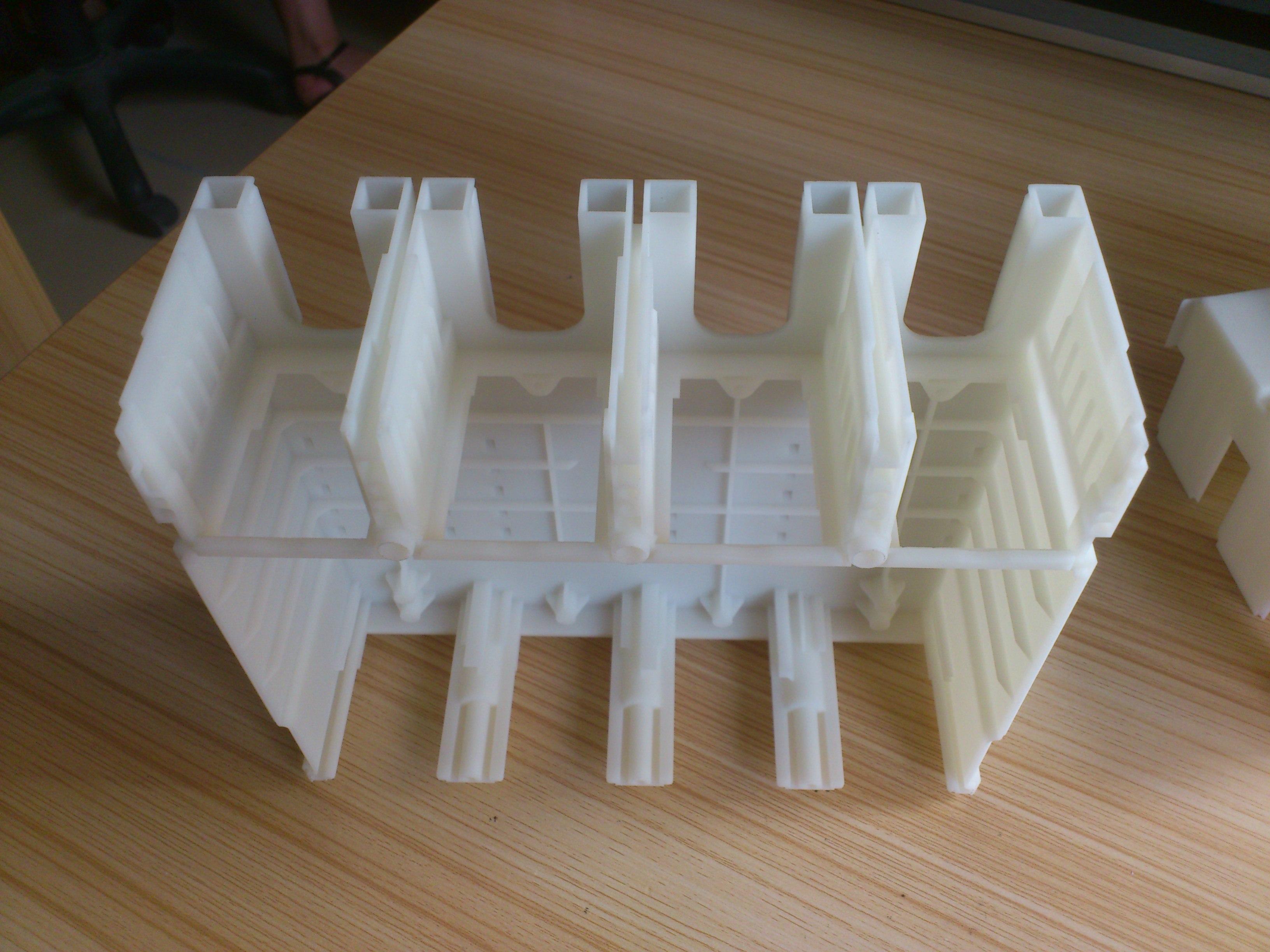
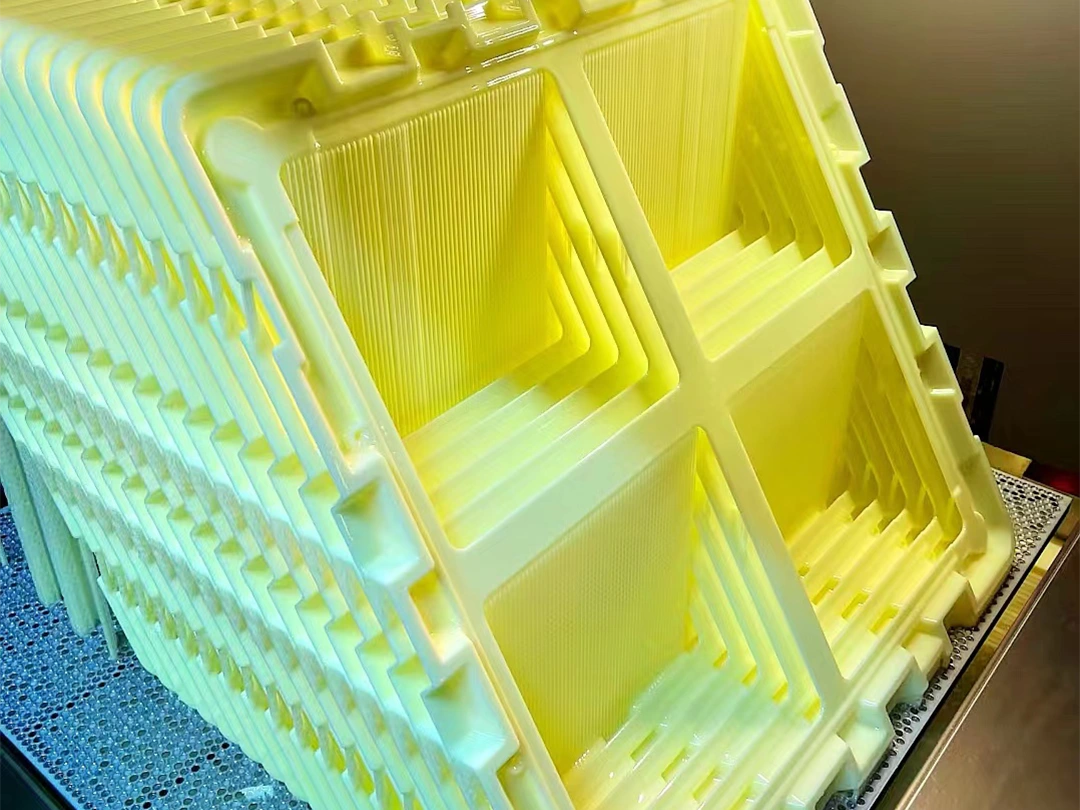
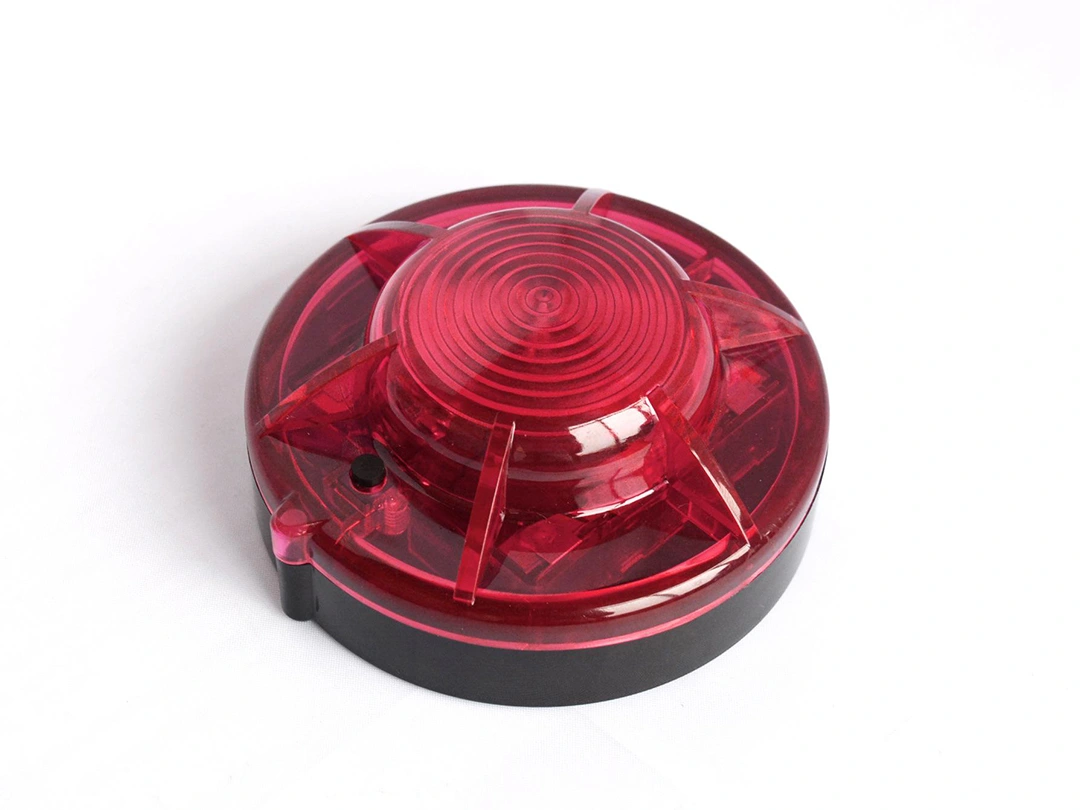
Original material reference image.
01 / SLA
8111X White Resin
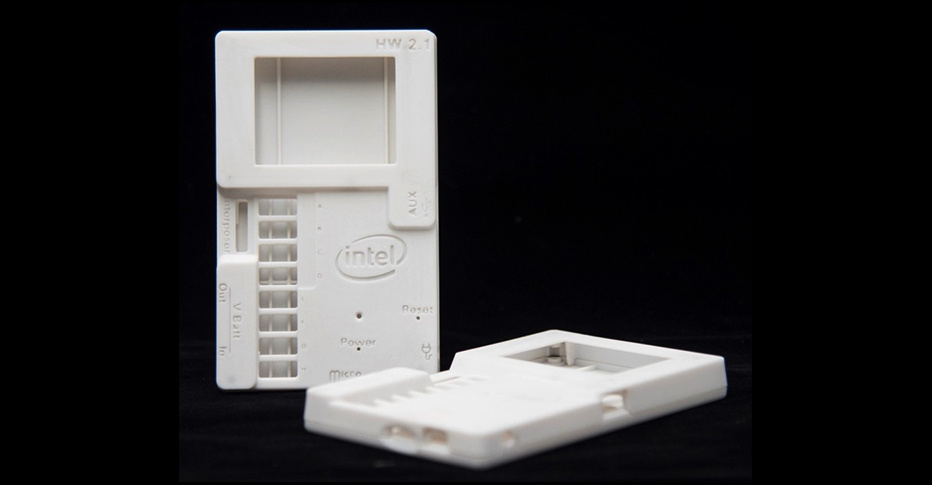
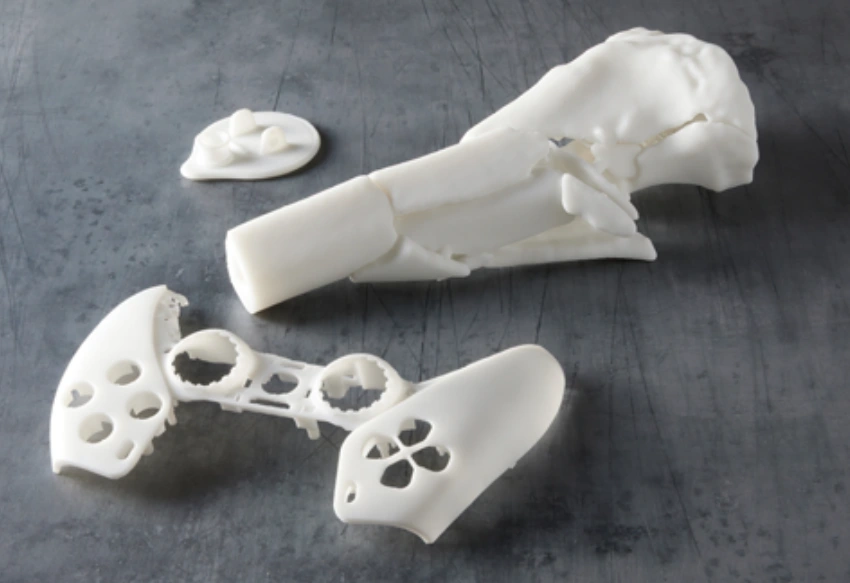
A white SLA resin for finely detailed models with a smooth surface. Its appearance and colour stability make it useful for visual prototypes where detail reproduction is a priority.
Confirm cosmetic areas and any painting requirements.
An ABS-like SLA resin selected for more compliant, impact-tolerant prototypes than a standard white modelling resin. The supplier highlights toughness and resistance to repeated loading.
ABS-like describes behaviour; this is a photopolymer, not ABS thermoplastic.
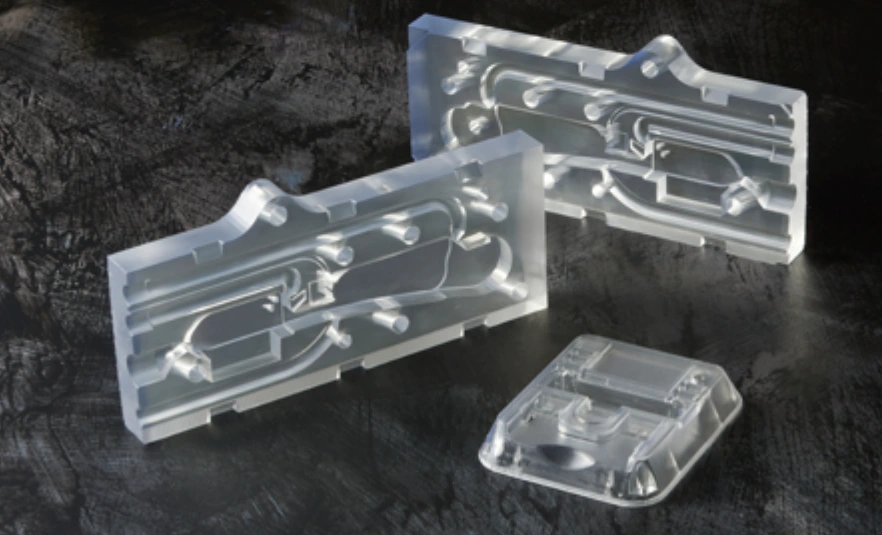
A clear SLA resin for transparent models and light-transmitting components. The final clarity depends on the part geometry and finishing route; sanding and polishing may be required.
Agree the optical appearance and post-processing scope.
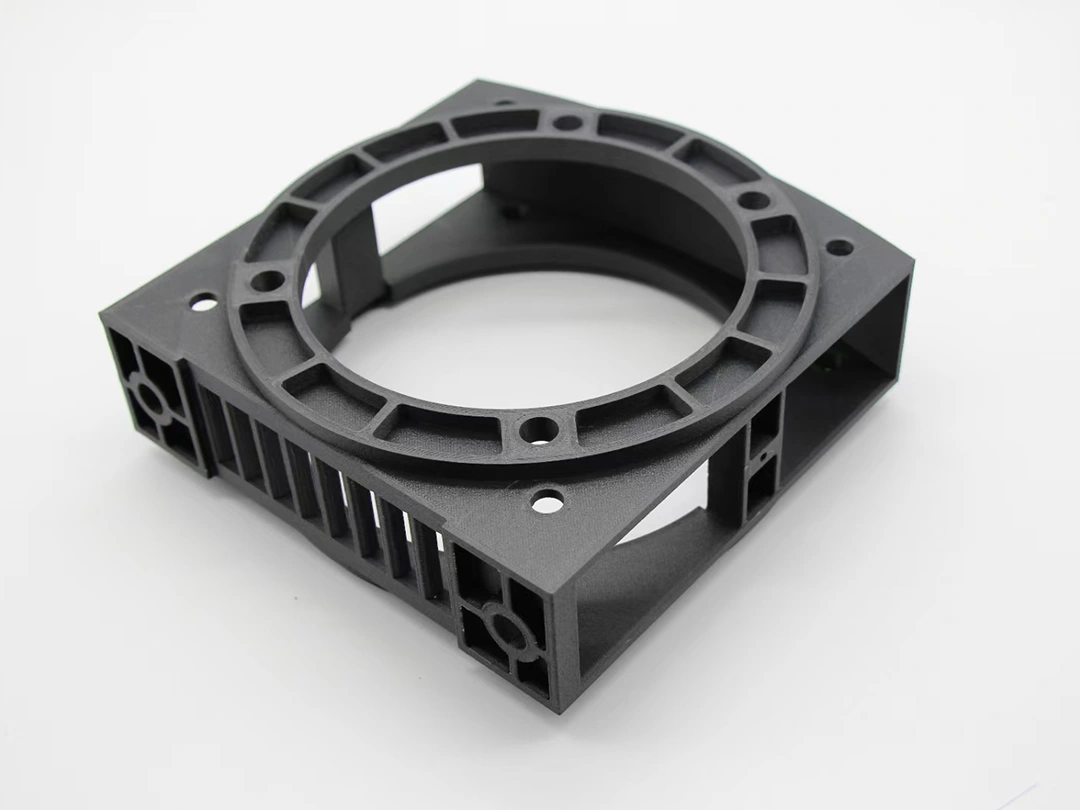
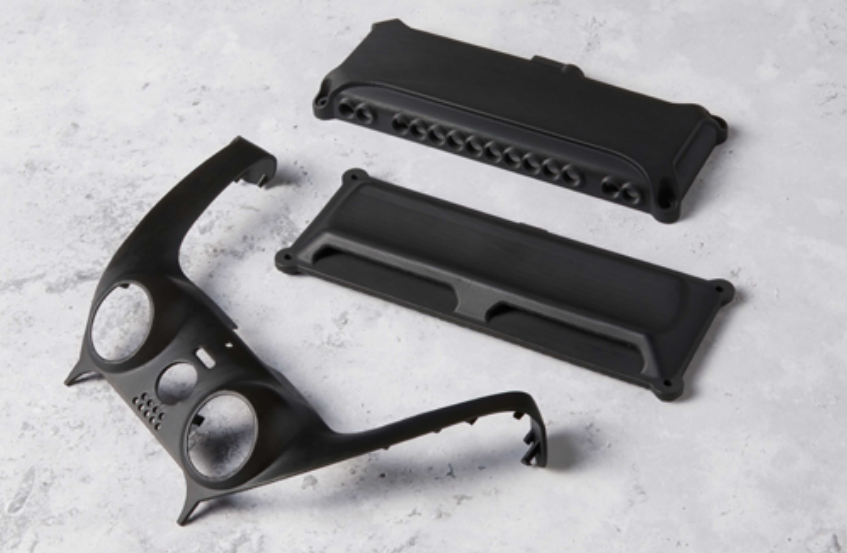
A black SLA resin with a matte appearance and strong visual coverage. It is suited to appearance models and components where a dark, opaque surface is required.
Confirm the surface finish and light-blocking requirements.
A tough SLA photopolymer for functional prototype evaluation. The supplier highlights moisture resistance, dimensional stability and a balance of strength and toughness for engineering models.
Confirm the exact 6060 formulation and required test conditions.
An SLA casting-pattern material for complex geometries. It is intended to support pattern production for casting, where clean burnout and compatibility with the casting workflow are important.
Review the burnout cycle and casting process before selection.
A brown SLA resin with a wood-like colour and fine-detail capability. The supplier describes an appearance that helps reduce the visibility of layer lines in presentation models.
A rigid photopolymer positioned for tooling and models that require thermal performance. The supplier references wind-tunnel models and rapid tooling among its possible applications.
The listed temperature requires confirmation of formulation, curing and test conditions.
An SLA resin for precision casting patterns, including complex or thin-walled geometries. The supplier highlights low expansion, clean burnout and a smooth surface that can be polished.
Confirm the casting workflow and burnout schedule.
An SLS material positioned for impact-tolerant components and low-temperature use. The supplier highlights toughness and resistance to oils, salts and selected solvents.
Confirm the exact polymer grade, colour and conditioning.
An SLS material for functional parts that need a balance of mechanical strength, impact performance and wear resistance. The supplier also highlights low density for lightweight component design.
A glass-fibre-filled SLS nylon designed for increased rigidity and dimensional stability. It is a candidate when thermal deformation and wear performance are important selection criteria.
Confirm fibre content and grade-specific test data.
A glass-filled SLS material positioned around mechanical performance and dimensional stability. The supplier associates this designation with Evonik and elevated-temperature applications.
Confirm the original manufacturer grade and temperature test conditions.
A PA6-based SLS material listed with glass-fibre reinforcement. It is positioned for high-strength, impact-resistant and wear-resistant engineering components.
Confirm the manufacturer's grade and any thermal or electrical qualification.
A PA12-based SLS material reinforced with carbon fibre. It is intended for components needing more strength and rigidity than an unfilled nylon option, with thermal performance also considered.
Confirm the fibre content and grade-specific properties.
An SLS material described as lightweight and rigid, with chemical resistance and dimensional stability. Its natural printed surface has a slightly textured appearance.
Confirm the underlying polymer grade and final surface requirement.
A flexible powder-bed material with a listed Shore A hardness of 92. It is positioned for lightweight, resilient components that recover after deformation.
Confirm the required compression, recovery and geometry.
A low-warping thermoplastic with useful rigidity for visual models and early design checks. It is a practical choice when appearance and straightforward prototyping matter more than heat resistance.
Consider another material when heat or repeated impact is a priority.
A tough thermoplastic offering a useful balance of impact resistance and resistance to selected chemicals. Its low tendency to warp supports functional prototypes and general-purpose printed components.
Check compatibility with the actual chemical and operating temperature.
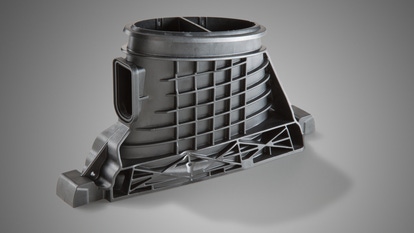
An engineering thermoplastic for functional prototypes, housings and fixtures. The material combines impact resistance with useful mechanical performance and heat resistance for everyday engineering applications.
Confirm the exact formulation and loading conditions.
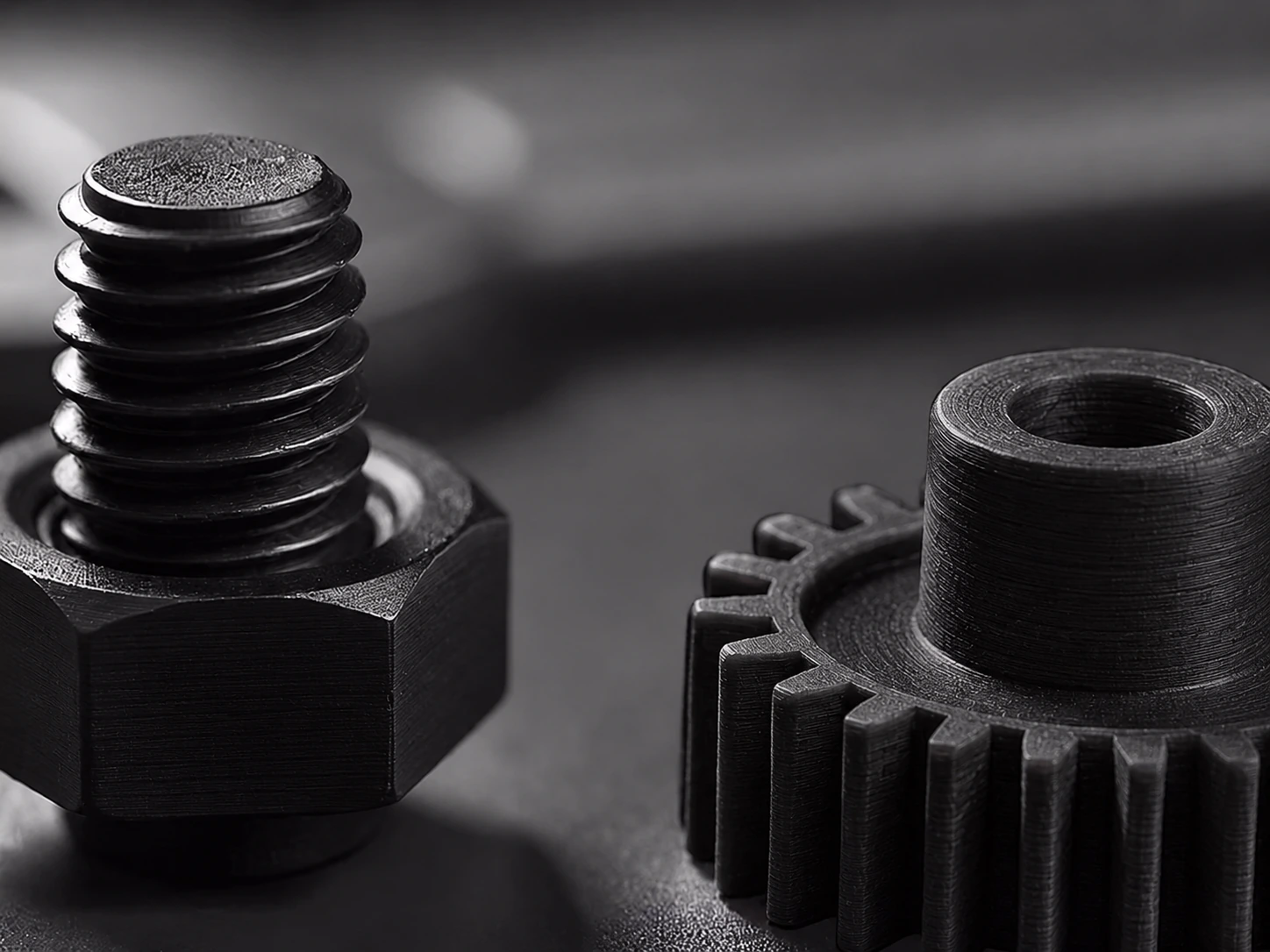
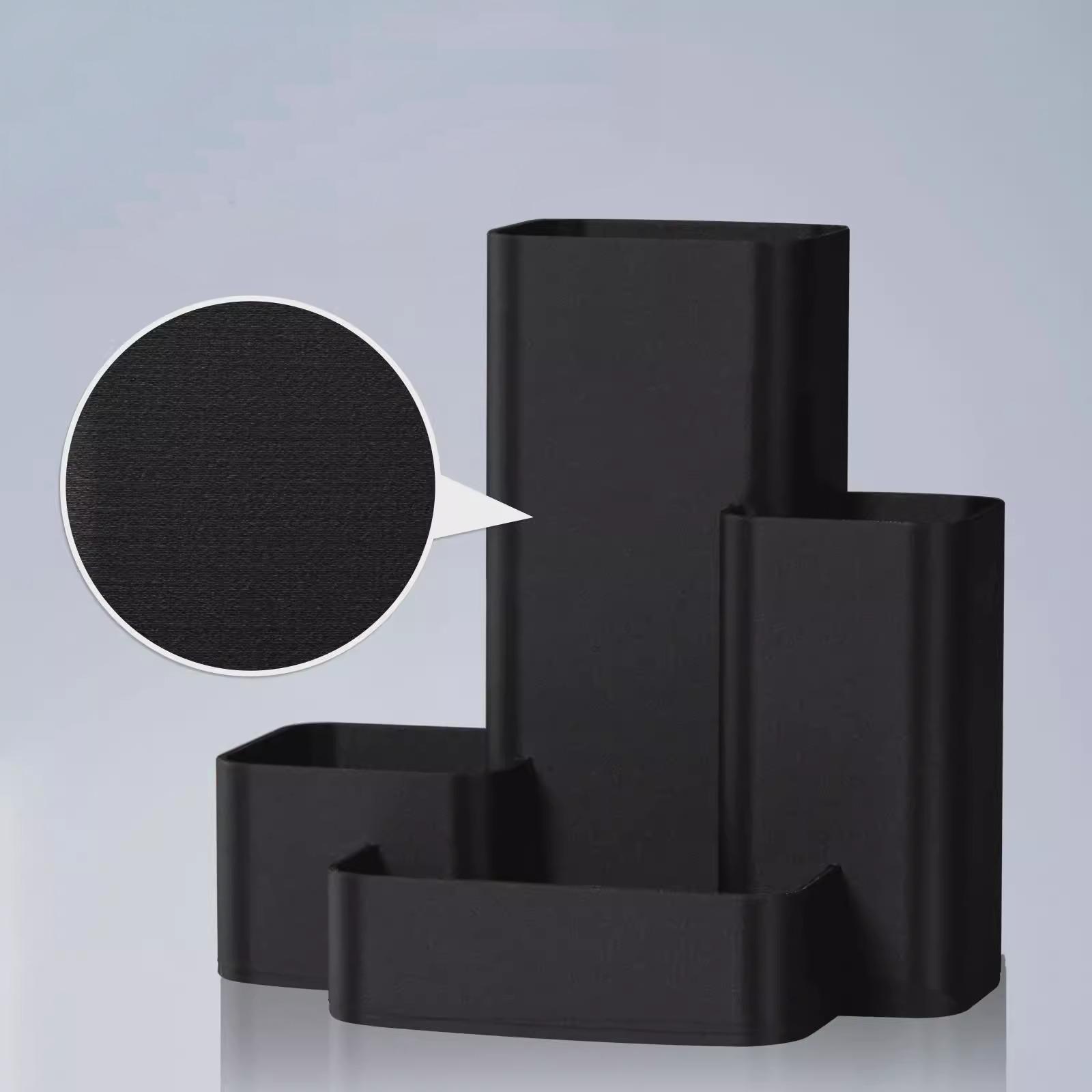
Carbon-fibre-filled PLA offers a stiffer feel and a matte surface for models or components where rigidity and appearance matter. Reinforcement changes its behaviour compared with unfilled PLA.
Specify the required stiffness and surface appearance.
Material family
Fibre-reinforced PLA
Manufacturing route
FDM
Grades / designation
PLA-CF
Listed colours
Black, Dark red, Dark purple, Dark blue, Dark green
Glass-fibre-reinforced ABS supports applications that need greater rigidity, dimensional stability and resistance to heat than a standard ABS formulation. It is a candidate for loaded engineering components.
Review load direction and the selected grade.
Material family
Fibre-reinforced ABS
Manufacturing route
FDM
Grades / designation
ABS-GF
Listed colours
White, Grey, Yellow, Orange, Red, Green, Blue, Black
Carbon-fibre reinforcement gives ABS a combination of stiffness and strength suited to demanding functional parts. The supplier describes improved thermal performance alongside the base material's impact resistance.
Confirm grade-specific thermal and mechanical data.
Material family
Fibre-reinforced ABS
Manufacturing route
FDM
Grades / designation
ABS-CF
Listed colours
Black, Dark red, Dark purple, Dark blue, Dark green
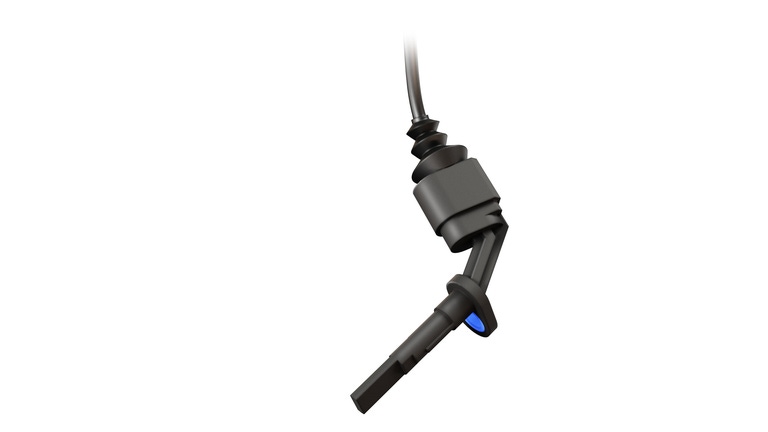
An ABS formulation intended for applications with flame-resistance requirements. The supplier lists a 94-V0 designation; the relevant test documentation should be reviewed for the exact grade and part requirements.
A catalogue designation alone does not certify a printed component.
A flexible thermoplastic polyurethane with a listed Shore A hardness of 95. Elastic recovery, abrasion resistance and tear resistance make it a candidate for compliant parts and cushioning structures.
Confirm flexibility, wall thickness and loading cycles.
Carbon-fibre-filled PETG combines a rigid structure with the toughness and chemical-resistance characteristics of the base polymer. It is an option when dimensional stability is important in a functional part.
Review the exact grade and chemical exposure.
Material family
Fibre-reinforced PETG
Manufacturing route
FDM
Grades / designation
PETG-CF
Listed colours
Dark grey, Bronze, Black-red, Dark green, Deep blue
Glass-fibre-filled PETG is intended to increase rigidity and thermal performance while retaining useful resistance to selected chemicals. It can be considered for engineering parts that need a more stable shape.
ASA is an engineering thermoplastic for parts exposed to weather and ultraviolet light. It is a candidate for outdoor applications where resistance to environmental exposure is part of the design brief.
Confirm exposure duration and colour requirements.
Material family
Weather-resistant thermoplastic
Manufacturing route
FDM
Grades / designation
ASA
Listed colours
Red, Orange, Yellow, Green, Deep blue, White, Dark grey, Light grey, Ivory, Black
Carbon-fibre-reinforced ASA combines weather resistance with added rigidity and dimensional stability. It is a candidate when an outdoor component also needs a stiffer structure.
Review environmental exposure and mechanical loading together.
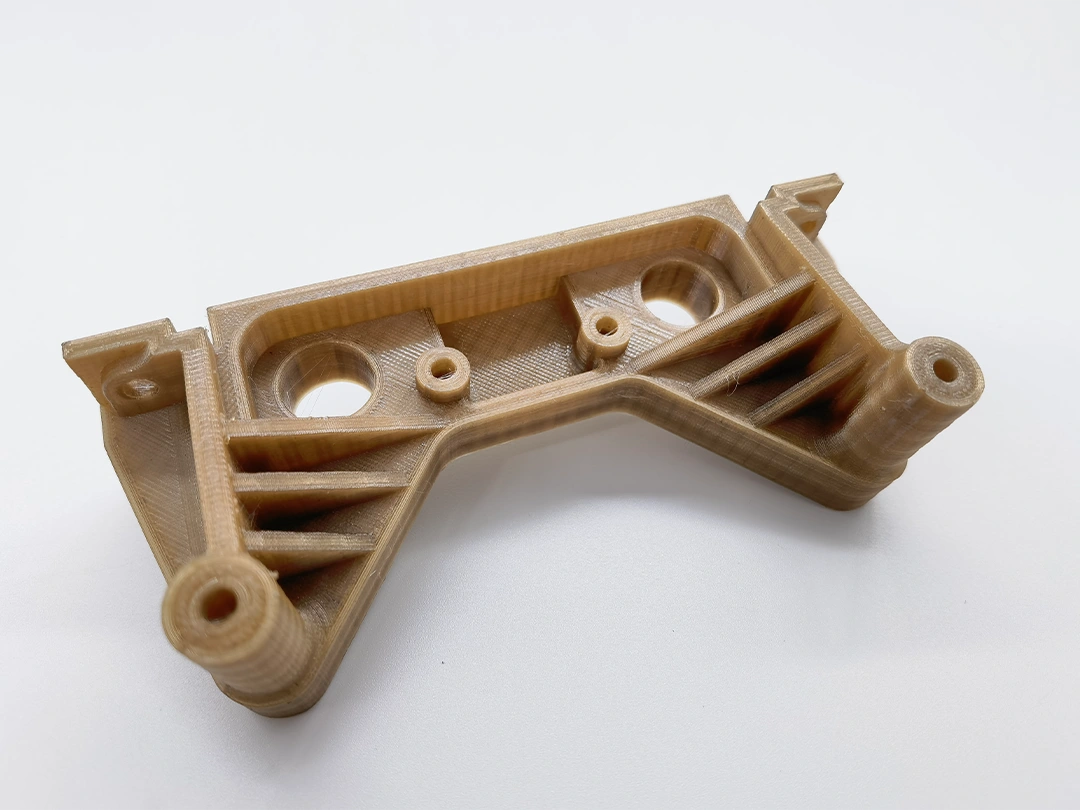
A carbon-fibre-reinforced, high-temperature nylon formulation for demanding functional components. The supplier positions it around strength, thermal performance and resistance to selected chemicals.
Verify the exact nylon grade and operating conditions.
Polycarbonate offers impact resistance, strength and thermal performance for durable functional parts. It can be considered when a standard prototyping plastic does not meet the mechanical demands of the application.
Review the load case and temperature with the material data.
A polycarbonate and ABS blend combining impact performance with processability. It is a practical option for functional parts where dimensional stability and mechanical strength are important.
Confirm the selected blend and surface requirements.
A lightweight, flexible thermoplastic with resistance to many chemicals. PP is a candidate for components that benefit from low density and compliance rather than high rigidity.
Check chemical compatibility for the actual use case.
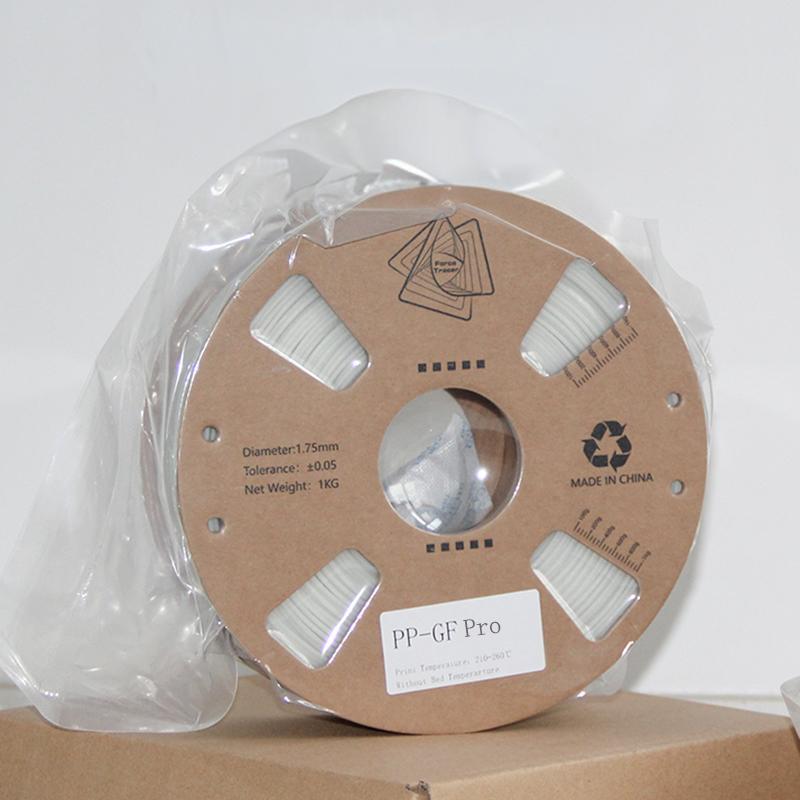
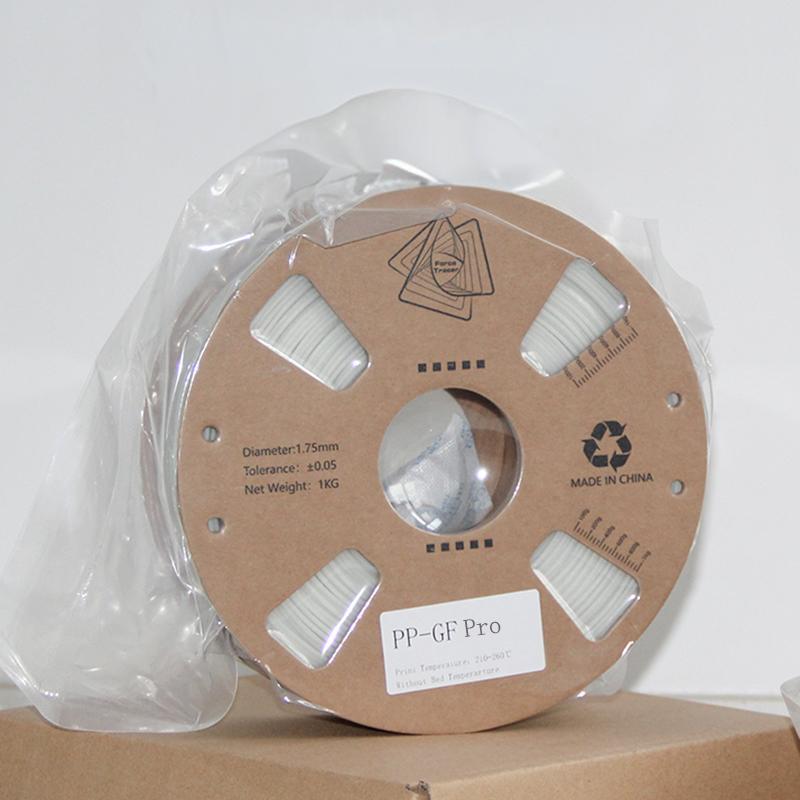
Glass-fibre reinforcement adds rigidity and thermal performance to polypropylene. This formulation can be considered for structural components that need a stiffer alternative to unfilled PP.
Confirm the loading and grade-specific properties.
Glass-bead-filled polypropylene prioritises dimensional stability and rigidity while retaining the chemical-resistance characteristics of PP. It is a candidate for parts where maintaining shape matters.
Review dimensional requirements and chemical exposure.
Carbon-fibre-filled polypropylene combines a lightweight polymer base with increased rigidity and strength. It is intended for components where stiffness and resistance to selected chemicals are important.
Confirm the formulation and application conditions.
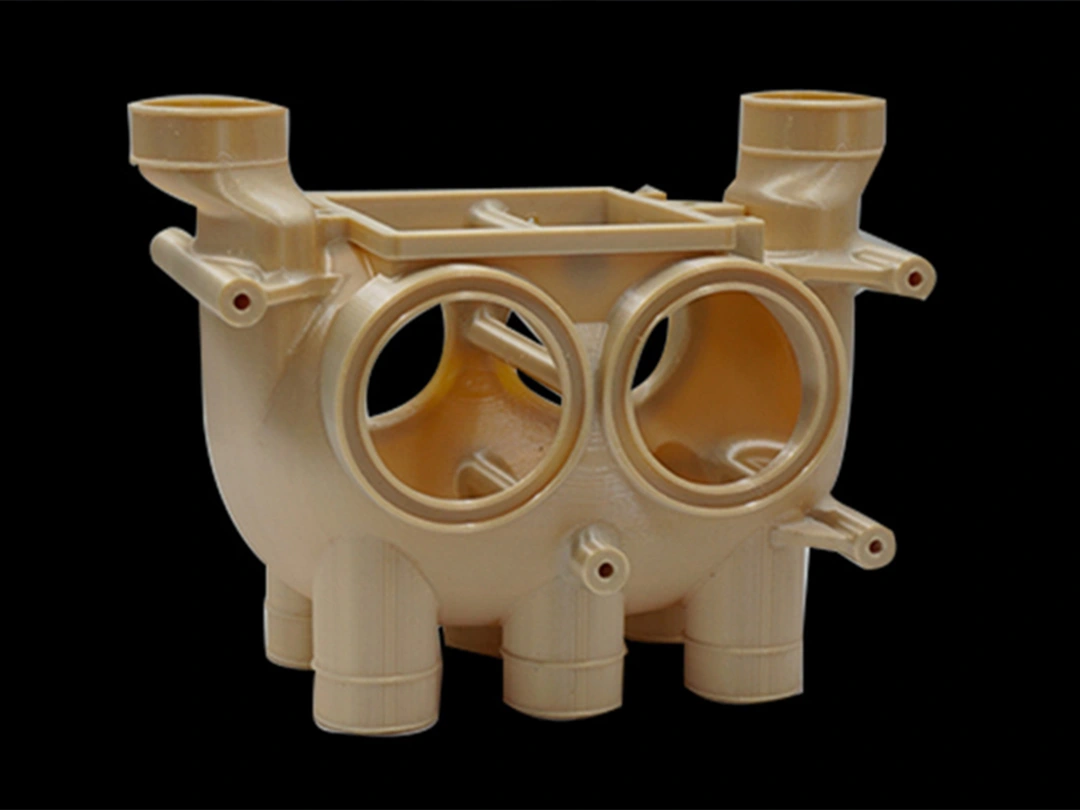
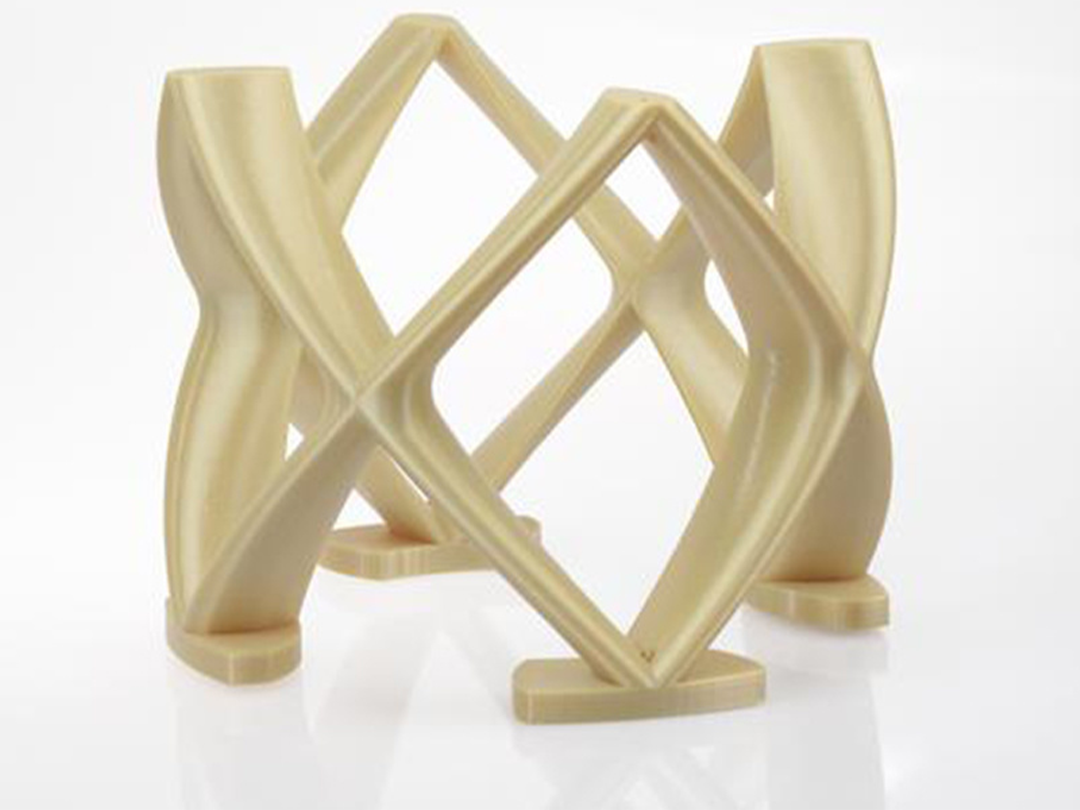
PEEK is a high-performance engineering polymer selected for demanding combinations of temperature, chemical exposure and mechanical loading. Its suitability depends on the precise material grade and manufacturing conditions.
Application-specific qualification is required for regulated uses.
Carbon-fibre-filled PEEK offers a more rigid alternative to unfilled PEEK, with wear and thermal performance suited to demanding engineering evaluation. It is a candidate for highly loaded components.
Confirm fibre content, orientation and grade-specific data.
Polyphenylene sulphide is an engineering polymer for challenging thermal and chemical environments. The supplier also highlights flame-resistance characteristics for this material family.
Review the exact grade and any required test documentation.
Carbon-fibre reinforcement increases the rigidity and dimensional stability of PPS. It is intended for engineering components where temperature and stiffness are central to material selection.
Confirm the grade and long-term service conditions.
Glass-fibre-filled PPS is an option for mechanically demanding components exposed to heat or selected chemicals. Its engineering performance should be reviewed against the actual application requirements.
Confirm grade-specific temperature and loading limits.
A PEI-based material positioned for functional components requiring strength and thermal performance. The supplier highlights flame-resistance characteristics; suitability for a particular industry depends on the specified grade and supporting documentation.
Confirm any required flame, smoke or industry qualification.
A high-temperature PEI material for demanding mechanical and thermal applications. It is a candidate when a component needs to retain useful properties at elevated temperatures.
Do not assume food-contact or medical approval without grade-specific documentation.
Polybutylene terephthalate combines rigidity, dimensional stability and low moisture uptake. The supplier highlights electrical insulation and resistance to selected chemicals for electronic and automotive component development.
Confirm electrical and thermal requirements for the grade.
Carbon-fibre-filled PBT combines the polymer's chemical-resistance characteristics with a stiffer reinforced structure. The supplier also highlights thermal conductivity as a selection consideration.
Verify electrical and thermal properties of the reinforced grade.
A flame-retardant polycarbonate formulation intended for functional parts with fire-performance requirements. It combines the mechanical characteristics of PC with a formulation selected for flame resistance.
Confirm the test classification, thickness and supporting documentation.
Carbon-fibre-filled PET is intended to improve rigidity, hardness and wear performance. The supplier describes reduced warping during printing, making it a candidate for dimensionally stable functional components.
Confirm the final-part performance rather than relying on print settings alone.
A glass-fibre-reinforced, high-temperature nylon formulation combining toughness with increased mechanical rigidity. It is a candidate for industrial parts exposed to elevated temperatures and demanding loads.
Review the exact grade and environmental conditioning.
Carbon-fibre-reinforced polyphthalamide targets lightweight components that need strength, stiffness and dimensional stability. It is a candidate for demanding engineering applications involving heat or chemical exposure.
Confirm temperature, loading and the specific formulation.
A clear general-purpose photopolymer for rigid transparent models. Polishing can improve optical appearance, with the result depending on geometry and the agreed finishing process.
Confirm the required clarity rather than assuming optical-grade performance.
A bright white photopolymer for stiff, detailed models. Its matte appearance and smooth surface suit visual prototypes and components where fine features are important.
Confirm cosmetic surfaces and any finishing requirements.
A deep-black photopolymer for rigid models with fine details. The matte surface and opaque colour suit appearance prototypes that need a dark, consistent presentation.
Confirm the required finish and dimensional needs.
A tough photopolymer intended to resemble polypropylene-like mechanical behaviour. It balances rigidity with compliance for prototype parts that bend and recover under repeated loading.
PP-like does not mean the material is polypropylene.
A photopolymer intended for strong, rigid functional prototypes with ABS-like behaviour. It is a candidate when a model should resist bending during handling or evaluation.
Confirm service duration and the required loading conditions.
A stiff photopolymer intended to emulate the rigidity of reinforced thermoplastics. It has a smooth, matte surface and is positioned for engineering models requiring dimensional stability.
Nylon-like behaviour does not identify it as nylon thermoplastic.
A glass-filled photopolymer intended for rigid engineering models with a smooth, matte surface. The supplier compares its stiffness and precision with high-performance thermoplastics.
This is a PEEK-like resin, not PEEK thermoplastic.
An elastomeric photopolymer with a listed Shore A hardness of 80. It is a candidate for prototype cushioning, damping and compliant features that undergo bending or compression.
Confirm geometry, deformation and expected loading cycles.
A soft, translucent photopolymer with a listed Shore A hardness of 50. It can be considered for prototypes intended to simulate softer rubber or silicone-like components.
Simulation behaviour is not equivalent to the final moulded material.
A photopolymer for finely detailed prototypes requiring thermal performance. The supplier states an HDT of 238°C at 0.45 MPa; this is a test value rather than a general continuous-use temperature.
Confirm cure conditions, applied load and thermal exposure.
A resin intended for static-dissipative components used in manufacturing environments. It is a candidate for fixtures or handling parts where electrostatic behaviour is part of the specification.
Confirm the required resistance range and verification method.
A resin intended for rigid functional components with flame-performance requirements. The supplier highlights self-extinguishing behaviour and heat resistance for industrial applications.
Verify the exact flame classification and relevant test documentation.
A clear rigid resin positioned by the supplier for applications requiring biocompatibility evaluation. It combines transparency with mechanical strength for development work involving specialist requirements.
Human-contact suitability requires grade-specific evidence and a validated workflow.
An amber rigid resin positioned for applications requiring biocompatibility and sterilisation evaluation. Material selection depends on the intended contact conditions and the approved processing route.
Verify contact duration, sterilisation compatibility and applicable documentation.
An opaque white resin positioned for applications with specified human-contact requirements. Its suitability must be evaluated for the exact intended use and processing conditions.
Confirm the relevant contact category and validated manufacturing workflow.
An opaque black resin with a matte, smooth appearance, positioned for specialist applications requiring biocompatibility evaluation. Its dark colour provides visual contrast in development models.
Confirm the intended contact conditions and supporting evidence.
A photopolymer for investment-casting patterns. The supplier highlights low thermal expansion and low ash content to support casting preparation for detailed geometries.
Review the burnout cycle and casting compatibility.
A full-colour photopolymer option for detailed presentation models, including blended colours and gradients. The supplier's detailed process field identifies PolyJet, although the listing appears under its SLA category.
Confirm colour references, process availability and model requirements.
No matching materials. Try another grade or clear the filter.
YOUR MATERIAL QUESTIONS
Material FAQ
Which material should I choose for my drawing?
Share the drawing, intended use and key requirements. CK can review material options with the manufacturing route, geometry and finishing requirements before quotation.
Are all grades listed on this page interchangeable?
No. Materials are grouped by manufacturing process, not treated as equivalent grades. Confirm the exact grade, condition and required documentation with the quotation.
Are the displayed colours and images an acceptance standard?
No. Images are visual references. Colour-edited images are labelled; availability, appearance and finishing requirements need to be agreed for the actual part.
Can I request material data or inspection documentation?
Include the required data sheets, certificates and inspection scope when sending your drawings. Confirm document availability and any associated requirements before ordering.
How should I specify tolerances and surface requirements?
Mark critical dimensions, interfaces and finish requirements on the drawing. Material reference data does not replace the agreed manufacturing and inspection specification.
ENGINEER-REVIEWED MATERIAL SELECTION
Not sure which material fits?
Speak with Christina, our Director of Sales, about material options for your drawing, application and requirements.

 Silver-white