Custom machined and 3D-printed parts for marine equipment, shipboard systems and subsea engineering. Keep material, fit and surface requirements connected to the way your component will be used.
From equipment on deck to mechanical details below the surface — start with the component, its interfaces and its operating environment.
DECK EQUIPMENT / MECHANICAL INTERFACES
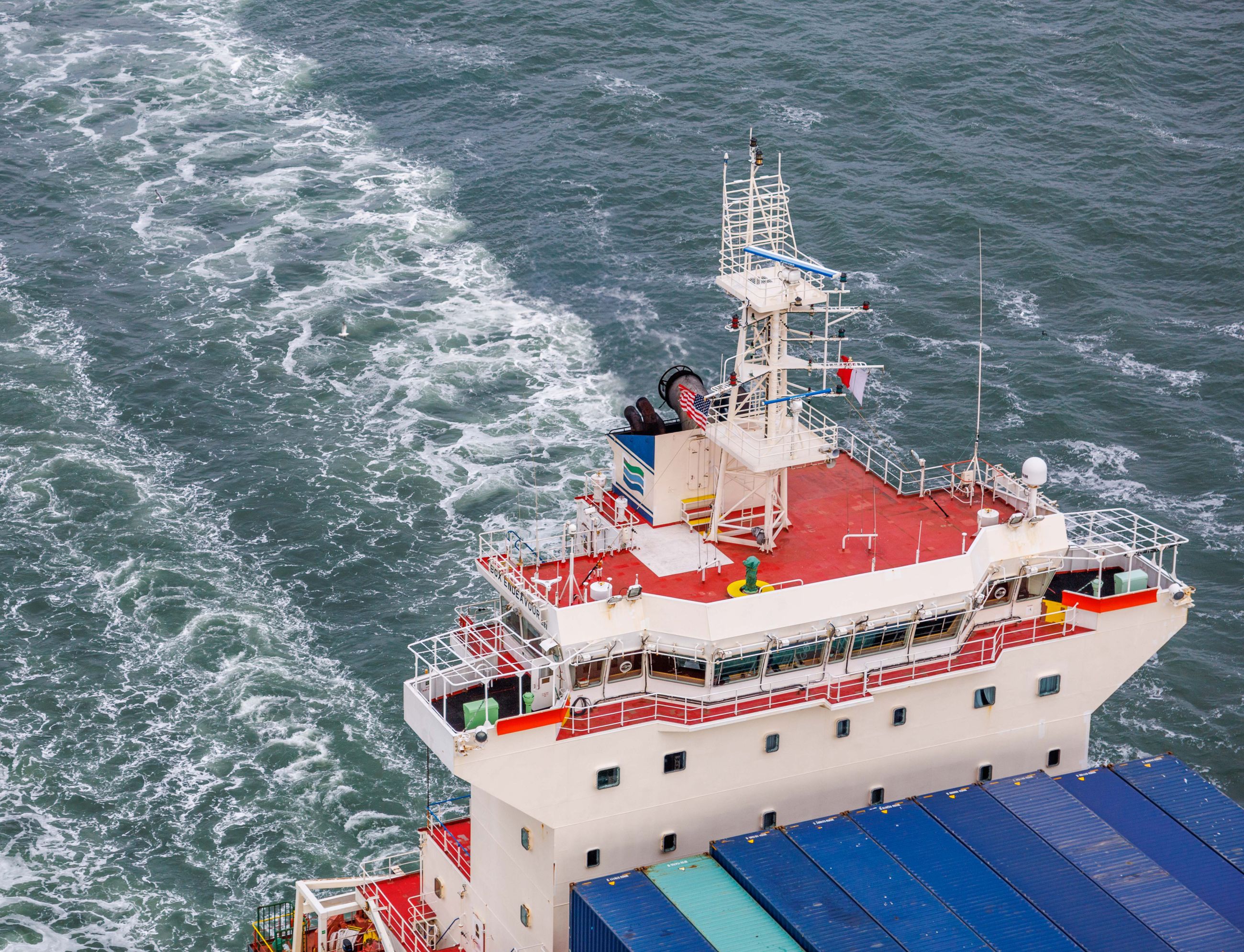
Parts around the working deck.
Bring mounting faces, shaft fits and connecting features into one drawing review.
THE MANUFACTURING ROUTE
Complex geometry. Critical marine interfaces.
Review the route around your component’s geometry, material and acceptance requirements. Plan finishing and inspection before production.
01 / METAL 3D PRINTING
Build around the flow. Keep the interfaces controlled.
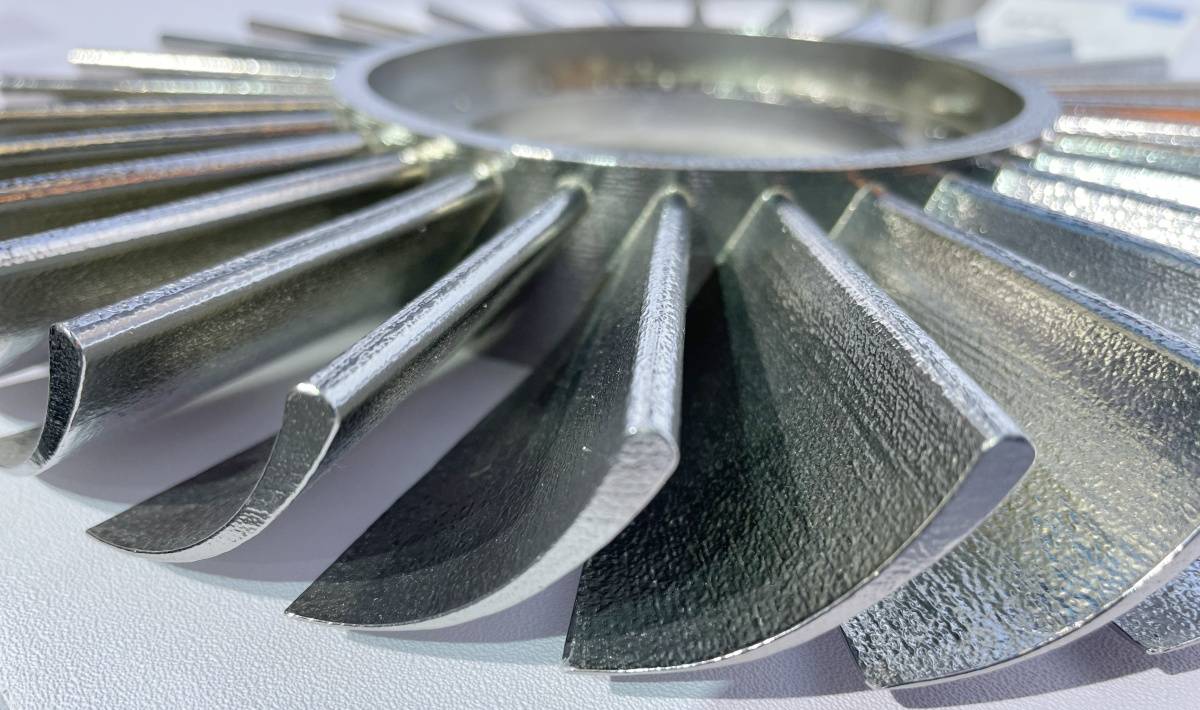
Review complex fluid-path components, integrated housings and custom geometry. Plan support removal, access and machining allowance for the faces and features that must fit.
Impeller, fluid-path and integrated housing geometry
Printed bodies with critical features machined afterwards
Material, finishing and acceptance defined with the drawing
Identify saltwater exposure, contact materials and the features that control assembly. Specify the material grade, surface condition, coating allowances and acceptance checks that your design requires.
List exposure, loading and any pressure or temperature requirements relevant to your component.
02 / CRITICAL INTERFACES
Keep the fit controlled
Mark sealing faces, fits, threads, datums and surfaces that need protection during finishing.
03 / ACCEPTANCE
Agree the evidence
Confirm inspection, material records and any customer-specific tests or approvals before production.
CUSTOMER REVIEWS
Feedback from our customers.
In our customers’ own words — from part quality to delivery.
Direct messagePart quality
“
Your material have a really good quality
— 3D printing customer
Email feedbackIn use
“
The parts have already been assembled and I haven't received any complaints…
— Manufacturing customer
Direct messageDelivery
“
Everything was perfect Good packaging
— 3D printing customer
Direct messageFuture projects
“
Don't worry about that, we have already verified the quality of your work…
— 3D printing customer
Direct messageEspañol
“
Nos gusta la calidad de ustedes. Son nuestro mejor proveedor en cuanto a calidad.
— Customer · Original Spanish
Direct messageProject requirements
“
The quality is fine, and in the case of these components, we didn't need very high precision, so it's all good.
— Manufacturing customer
Direct messageOrder feedback
“
Thank you very much once again for the quality of your work.
— Manufacturing customer
Direct messageEspañol
“
CALIDAD MUY BUENA LA DE USTEDES
— Customer · Original Spanish
Drag or swipe to explore
1 / 8
Real messages shared directly with CK. Original wording retained; customer names, companies and order details withheld. Portraits show CK staff, not reviewers. “CK contact” follows the conversation; “CK team” is a team representative, not an order-handler attribution. No star ratings or external verification implied.
What should be included in a marine-component enquiry?
Send a 3D model, dimensioned drawing and parts list with material, quantity and finish. Identify the installation environment, critical fits, sealing surfaces and any required documentation or tests.
How should we specify a material for saltwater exposure?
Specify the exact material grade required by your design, rather than only saying “marine grade.” Share the exposure conditions, mating materials and surface-treatment requirements so these can be reviewed together.
Can we combine metal printing and CNC machining?
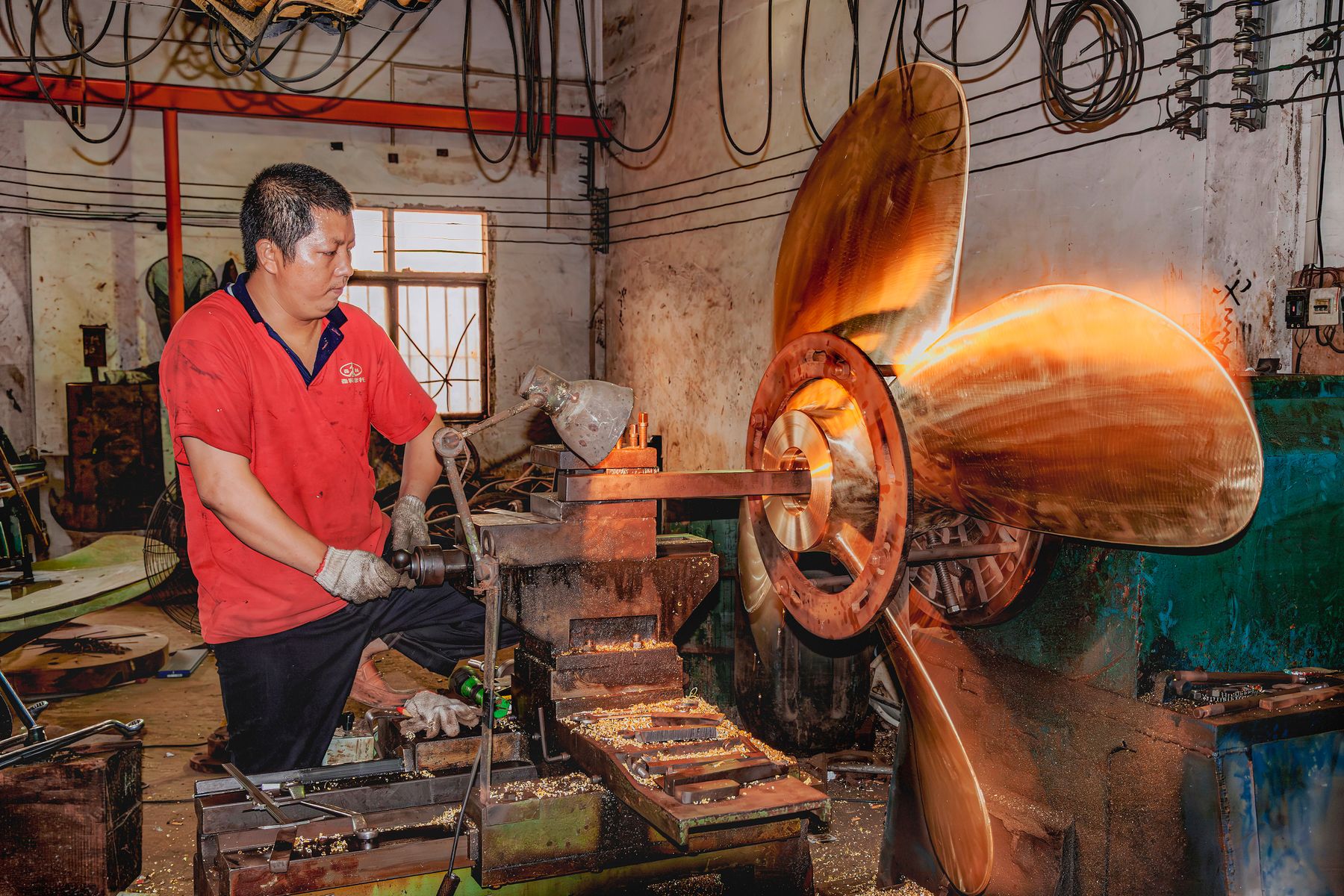
Yes. A printed body and secondary machining can be reviewed as one route where suitable. Mark the bores, threads, sealing faces and datums that need machining, and allow for those operations in the design.
Can CK review one-off replacement parts and small batches?
Yes. Share an approved drawing and identify the critical mating features. If you only have a sample, contact the team to discuss the measurements and drawing information needed before quotation.
What is needed for a pressure-bearing or safety-critical component?
Include the design conditions, material specification, applicable requirements and acceptance-test scope in the enquiry. Manufacturing, documentation, testing and any required approvals must be agreed before production.
Can we specify inspection and surface protection?
Yes. Identify what must be measured and which surfaces must remain uncoated or protected. Confirm report, traceability, marking and packing requirements with the quotation.
Christina
Cindy
Kevin
Zoe
Jessica
Alina
Kenneth
Your marine project. A team you can talk to.
Talk with any member of our team about your marine components, drawings, materials, tolerances and finishing requirements. We can help keep the quotation and manufacturing details clear from the first enquiry.