Understand the material system
Carbon-fibre-filled thermoplastics can offer useful stiffness and dimensional stability. Impact behaviour also depends on the base polymer, fibre content and manufacturing conditions. Short-fibre-filled and continuous-fibre systems are different technologies and should not be treated as interchangeable.

Review the build direction
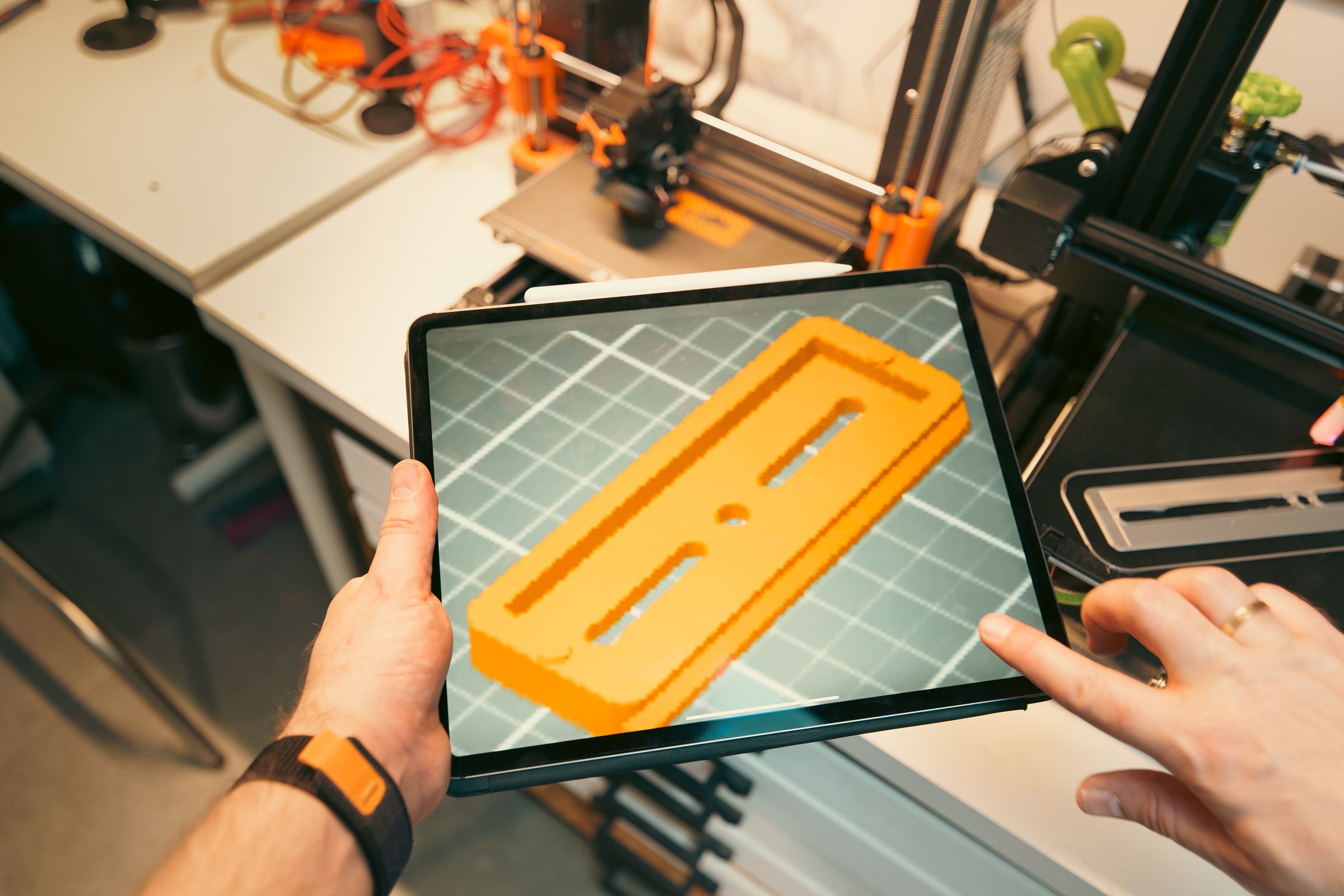
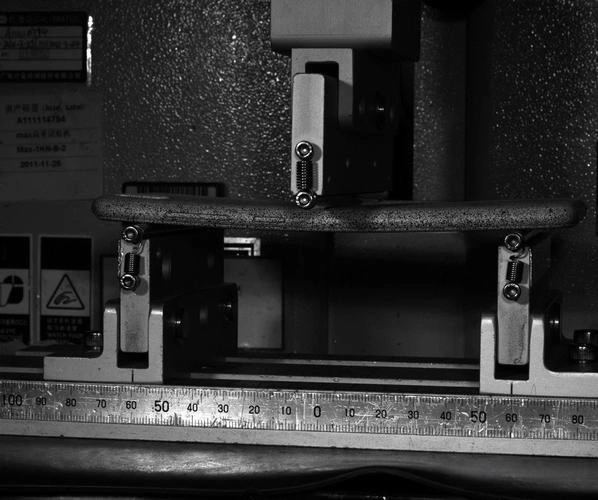
FDM parts have direction-dependent properties. Layer bonding, wall layout, infill and stress concentrations affect how a component responds to loading. Orient the part around the expected service conditions, and test representative specimens using the proposed printing parameters.
Validate the assembled prototype
For housings, brackets and internal structures, assess the complete assembly as well as the individual part. Agree the drop conditions, acceptance criteria and inspection method before testing. Do not assume a printed composite will match an injection-moulded or metal component without verification.
What to include in the material review
- 3D CAD model and intended application
- Loading direction and environmental conditions
- Assembly details and proposed test criteria
- Quantity, surface finish and material preference
Discuss your part with CK.
Share your prototype requirements with CK to discuss a suitable printing route. Specific composite grades and their availability require confirmation before quotation.
Explore polymer 3D printing →Contact with CK →