PLA · FDM
PLA+
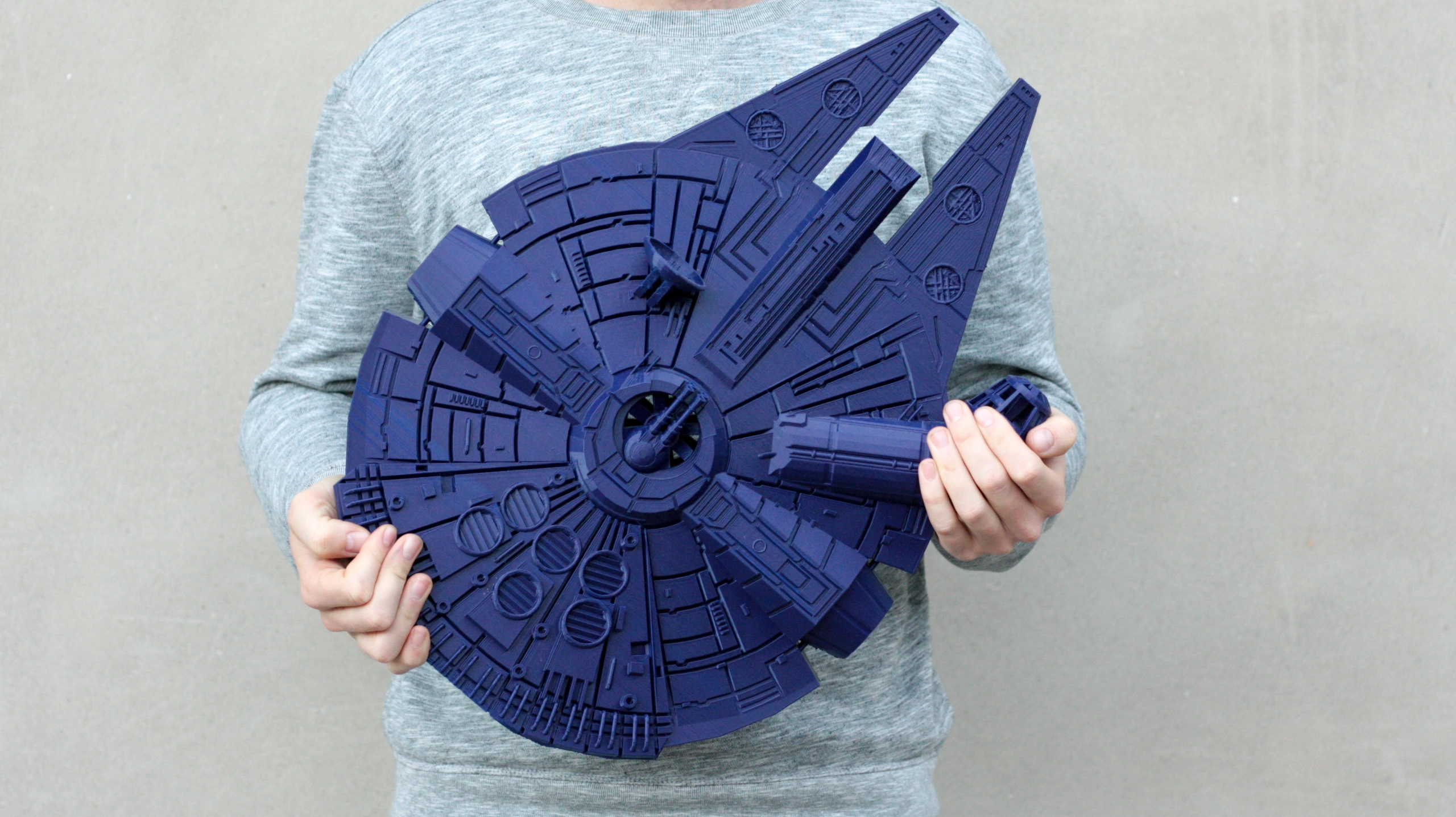
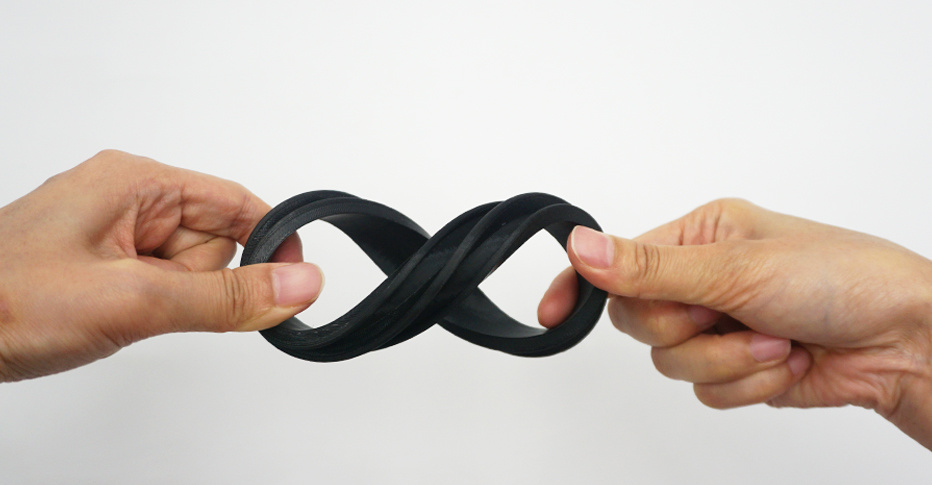
A low-warping thermoplastic with useful rigidity for visual models and early design checks. It is a practical choice when appearance and straightforward prototyping matter more than heat resistance.
View materialChoose a thermoplastic around the application, build orientation and finished-part requirements. Review prototypes, tooling and functional parts with your drawing.
CNC machining since 2008 · 3D printing since 2017
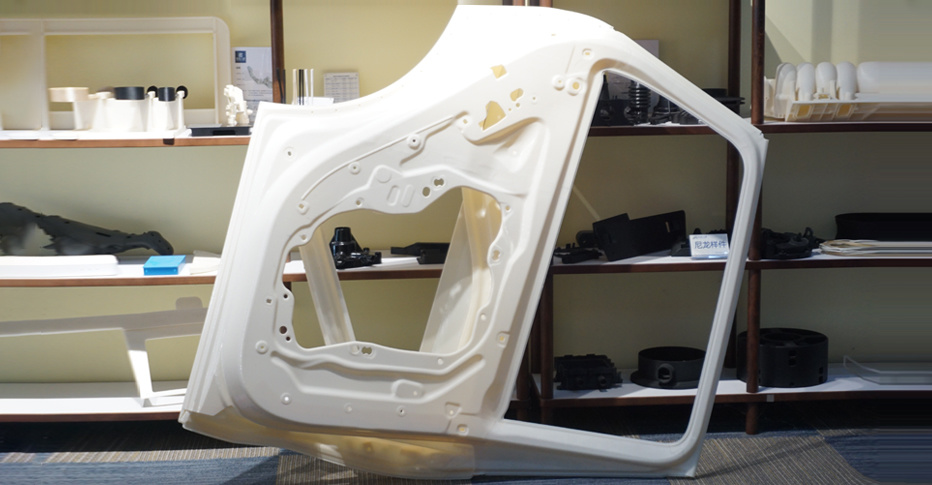
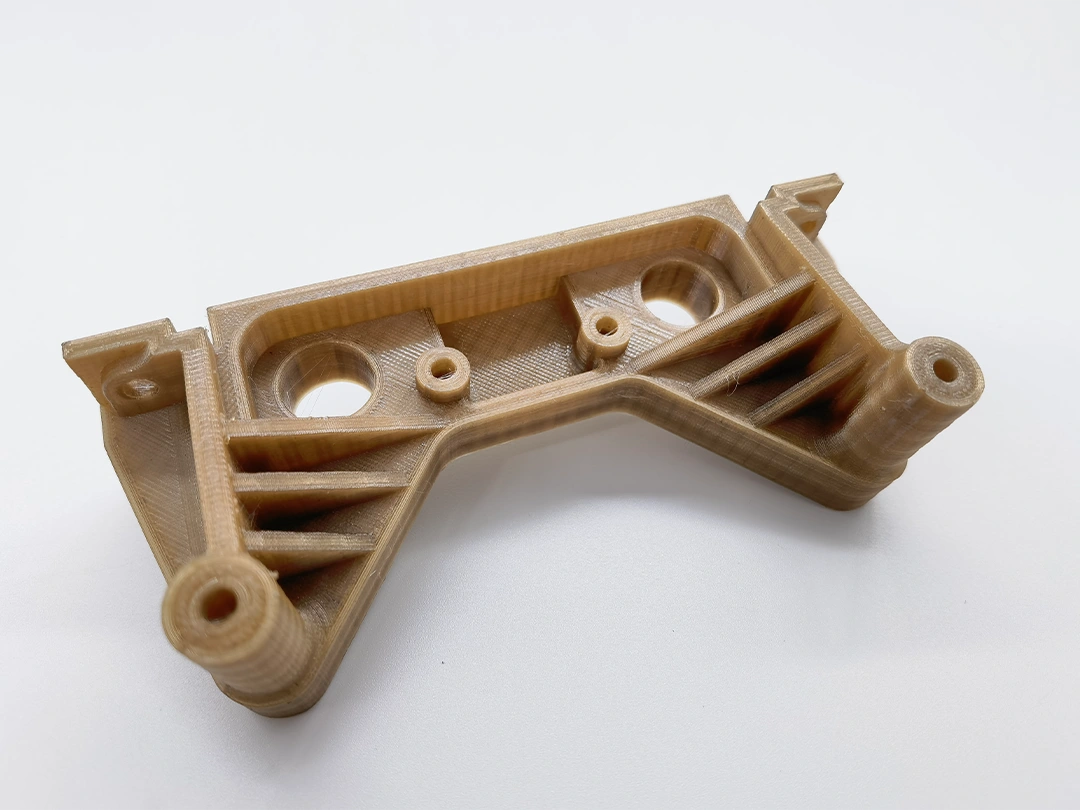
Explore selected standard, flexible, reinforced and engineering thermoplastic references for FDM printing.
Choose a thermoplastic around the application, build orientation and finished-part requirements. Review prototypes, tooling and functional parts with your drawing.
A low-warping thermoplastic with useful rigidity for visual models and early design checks. It is a practical choice when appearance and straightforward prototyping matter more than heat resistance.
View material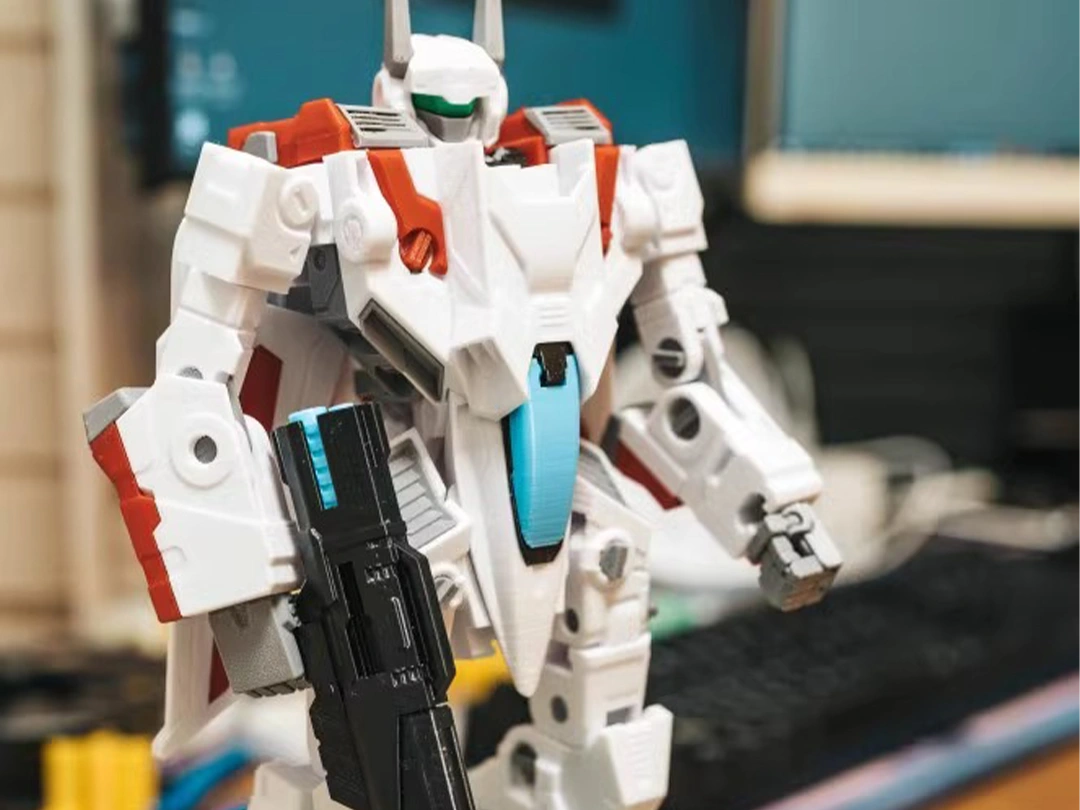
A tough thermoplastic offering a useful balance of impact resistance and resistance to selected chemicals. Its low tendency to warp supports functional prototypes and general-purpose printed components.
View materialAn engineering thermoplastic for functional prototypes, housings and fixtures. The material combines impact resistance with useful mechanical performance and heat resistance for everyday engineering applications.
View materialA flexible thermoplastic polyurethane with a listed Shore A hardness of 95. Elastic recovery, abrasion resistance and tear resistance make it a candidate for compliant parts and cushioning structures.
View material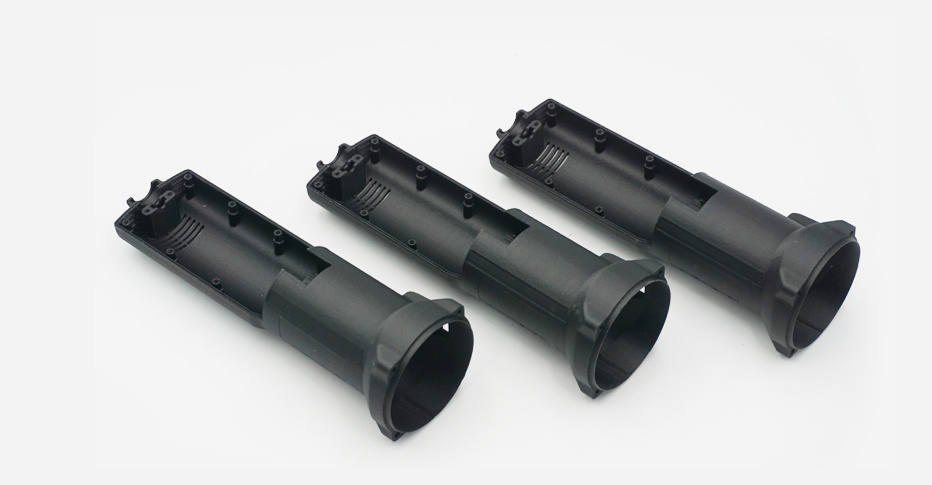
ASA is an engineering thermoplastic for parts exposed to weather and ultraviolet light. It is a candidate for outdoor applications where resistance to environmental exposure is part of the design brief.
View material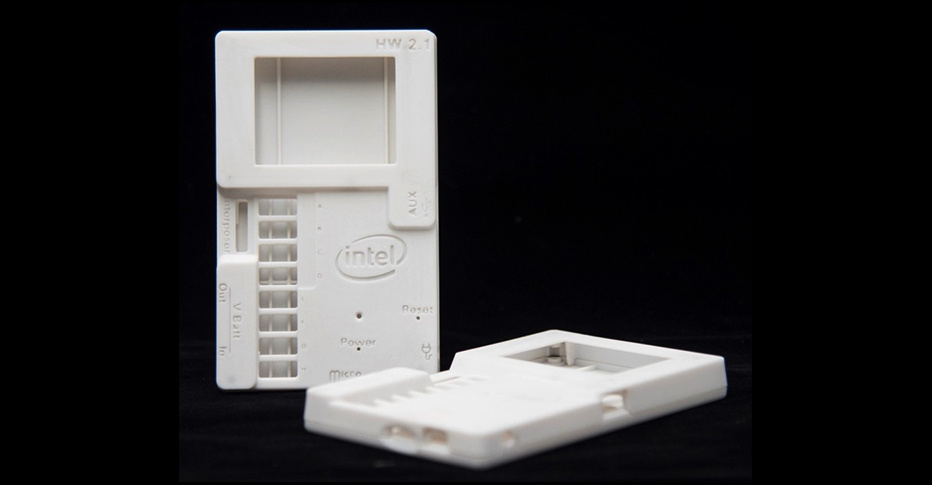
Polycarbonate offers impact resistance, strength and thermal performance for durable functional parts. It can be considered when a standard prototyping plastic does not meet the mechanical demands of the application.
View material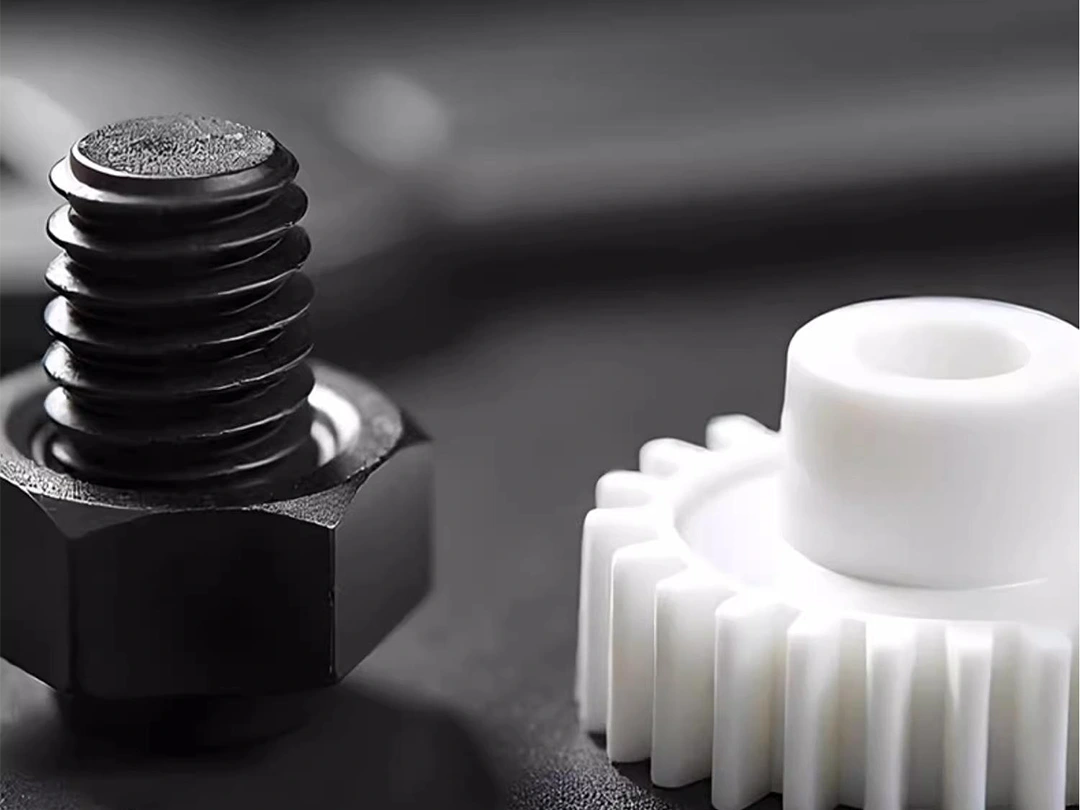
A polycarbonate and ABS blend combining impact performance with processability. It is a practical option for functional parts where dimensional stability and mechanical strength are important.
View material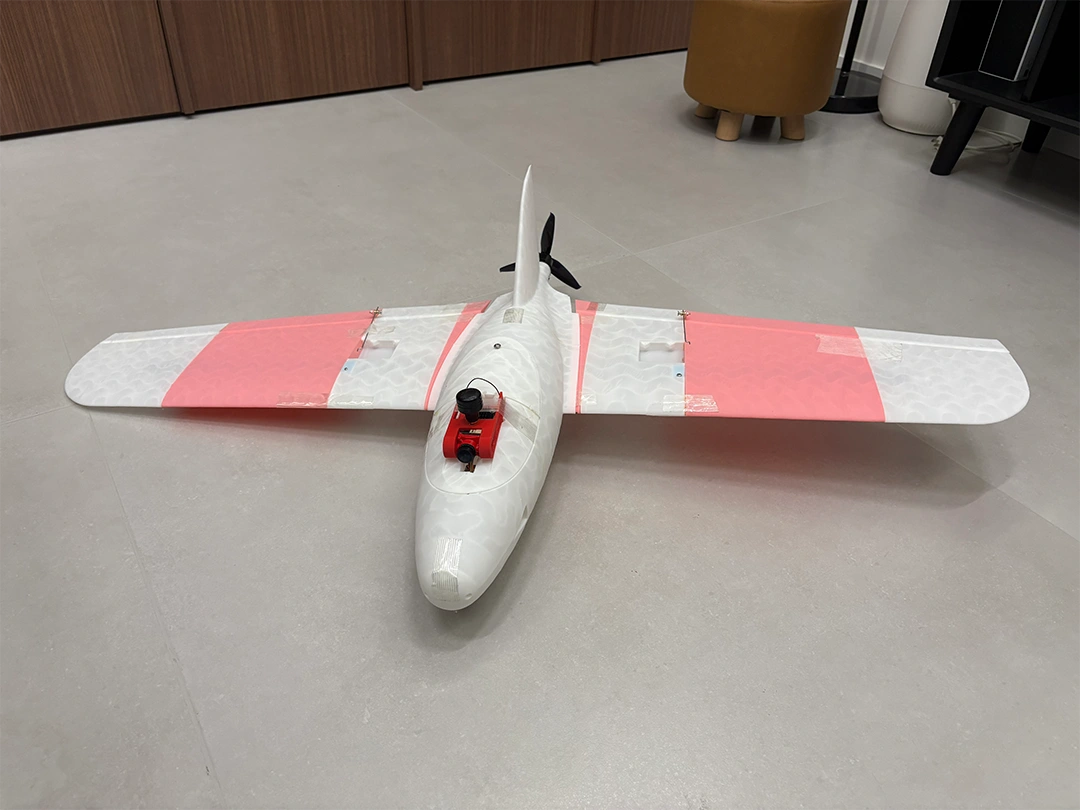
A lightweight, flexible thermoplastic with resistance to many chemicals. PP is a candidate for components that benefit from low density and compliance rather than high rigidity.
View materialPEEK is a high-performance engineering polymer selected for demanding combinations of temperature, chemical exposure and mechanical loading. Its suitability depends on the precise material grade and manufacturing conditions.
View material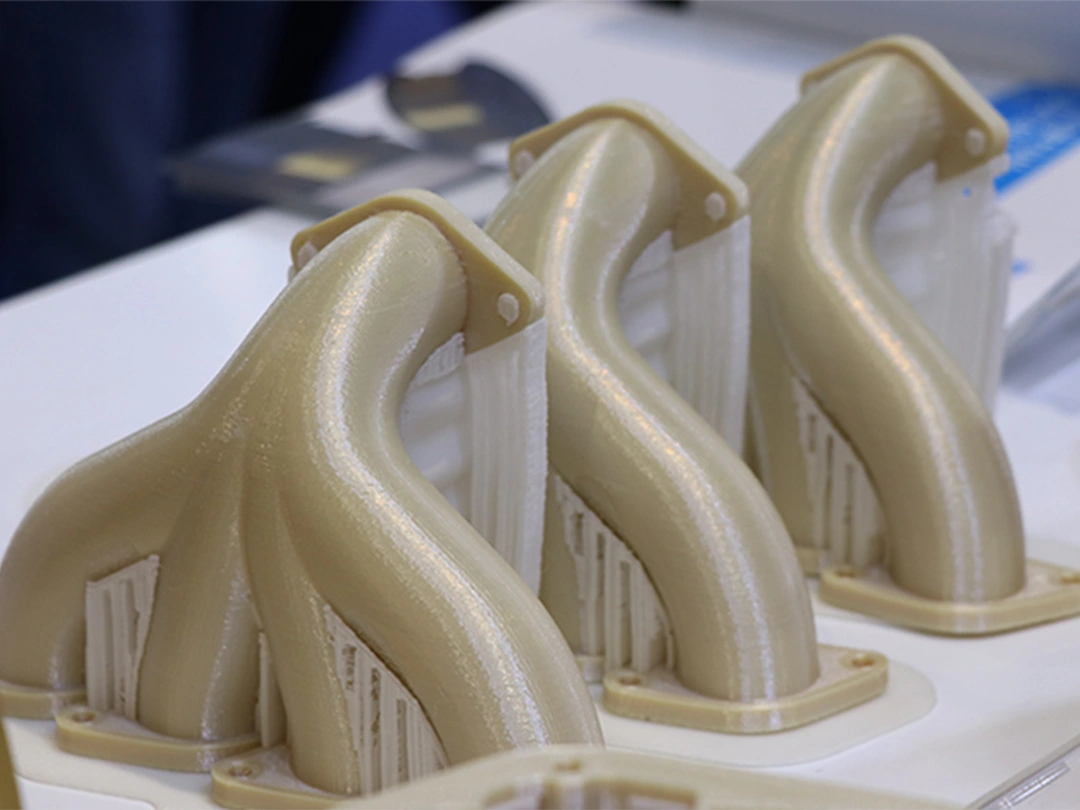
Polyphenylene sulphide is an engineering polymer for challenging thermal and chemical environments. The supplier also highlights flame-resistance characteristics for this material family.
View material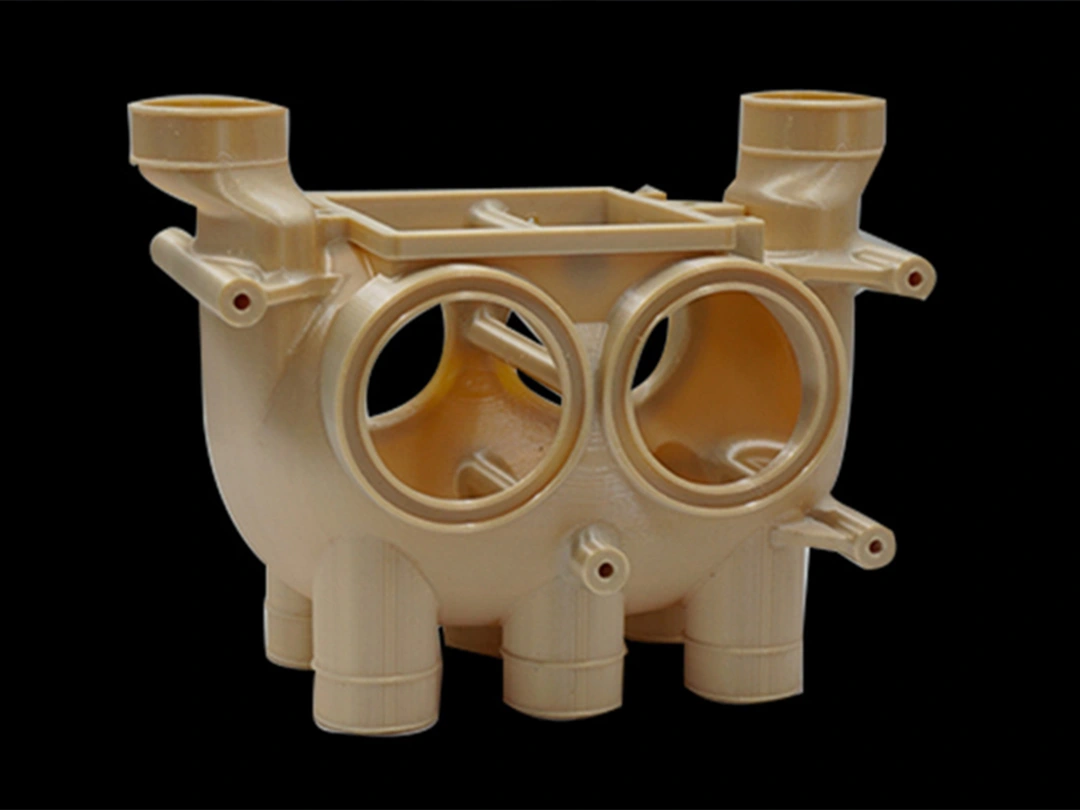
A PEI-based material positioned for functional components requiring strength and thermal performance. The supplier highlights flame-resistance characteristics; suitability for a particular industry depends on the specified grade and supporting documentation.
View material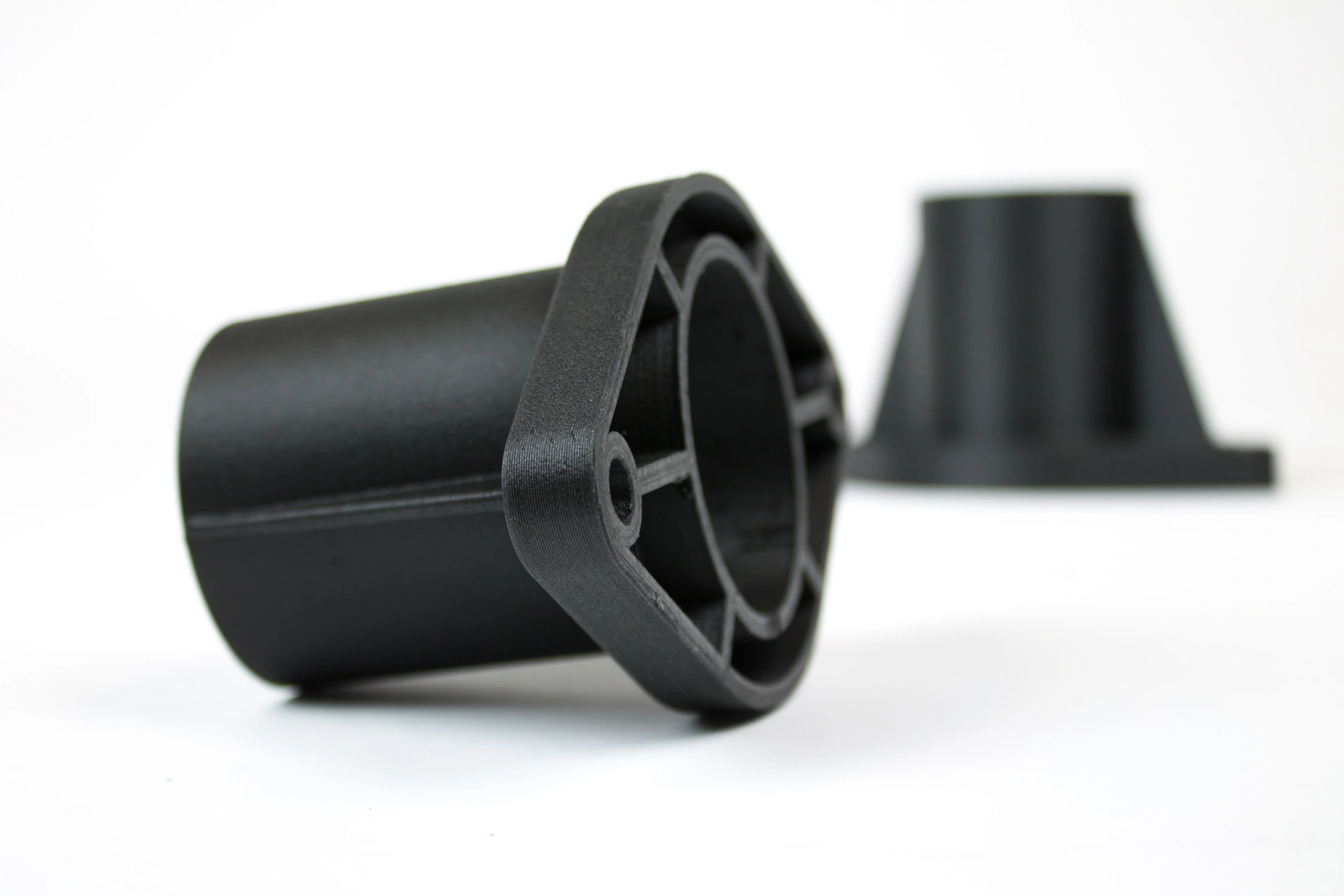
Carbon-fibre-reinforced polyphthalamide targets lightweight components that need strength, stiffness and dimensional stability. It is a candidate for demanding engineering applications involving heat or chemical exposure.
View materialMATERIAL REFERENCEReview support access and the areas where contact marks affect the finished part.
Discuss finishingMATERIAL REFERENCEIdentify cosmetic faces and discuss layer visibility against your drawing.
Discuss finishingMATERIAL REFERENCEReview the required colour and appearance alongside the selected thermoplastic.
Discuss finishingFinishing suitability is reviewed against the selected material, manufacturing route, geometry and drawing requirements.
Keep the printed body and its precision interfaces in the same conversation. Plan machining allowance, datums, workholding and the finishing sequence before the build.
Explore printing + CNC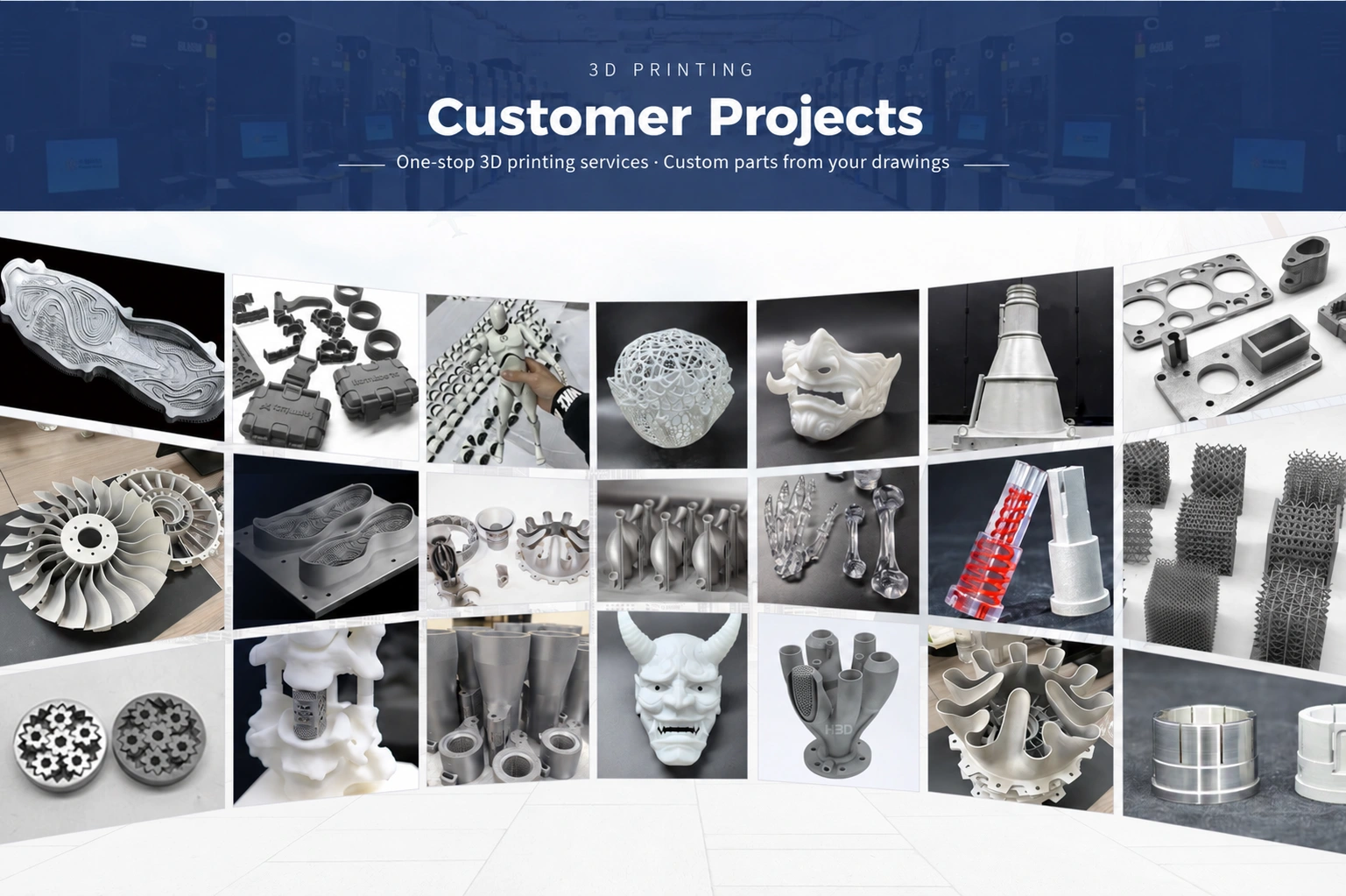
Material, surface, inspection and delivery requirements belong to the finished part—not separate decisions at the end.
Choose the grade and condition for the process, application and drawing.
Compare materialsDefine the texture, appearance and post-processing the finished part needs.
Explore finishesAgree critical dimensions, inspection scope and required documentation.
View inspectionProtect the finished components and plan shipment around the order.
View deliveryCUSTOMER REVIEWS
In our customers’ own words — from part quality to delivery.
Your material have a really good quality
— 3D printing customer
The parts have already been assembled and I haven't received any complaints…
— Manufacturing customer
Everything was perfect
Good packaging
— 3D printing customer
Don't worry about that, we have already verified the quality of your work…
— 3D printing customer
Nos gusta la calidad de ustedes.
Son nuestro mejor proveedor en cuanto a calidad.— Customer · Original Spanish
The quality is fine, and in the case of these components, we didn't need very high precision, so it's all good.
— Manufacturing customer
Thank you very much once again for the quality of your work.
— Manufacturing customer
CALIDAD MUY BUENA LA DE USTEDES— Customer · Original Spanish
Real messages shared directly with CK. Original wording retained; customer names, companies and order details withheld.
Portraits show CK staff, not reviewers. “CK contact” follows the conversation; “CK team” is a team representative, not an order-handler attribution. No star ratings or external verification implied.
Not sure which route to choose? Tell us what the part needs to do and which requirements matter most.
Talk with CKNo. Send the drawing, quantity and intended use. Our team can review manufacturability, material and finishing requirements with you before recommending a route.
Yes. Custom one-off parts, prototypes and low-volume production are part of CK’s service. Availability, cost and lead time are reviewed for the individual project.
Yes. Mark the critical interfaces, tolerances and surfaces on the drawing so machining allowance, tool access and workholding can be reviewed before printing.
Yes. You can upload a drawing pack, ZIP file and Excel parts list together. Identify each part and include its quantity, material and finishing requirements in the files.
Send the 3D model and a dimensioned drawing for critical features, together with quantities and relevant specifications. STEP is useful for machining review; printing files and the preferred format can be discussed with the team.
The quotation and project review define the agreed material, finish, inspection scope and lead time. Include any required reports, material documents or delivery constraints with your enquiry.







For professional advice on any product, manufacturing process, material or surface finish, contact any member of our team. We’re here online and ready to help whenever you need support.