Black
01 / CNC Machining
Anodising
Explore colour appearance for suitable aluminium components.
View finish →FINISHING & POST-PROCESSING / COMPARE ALL
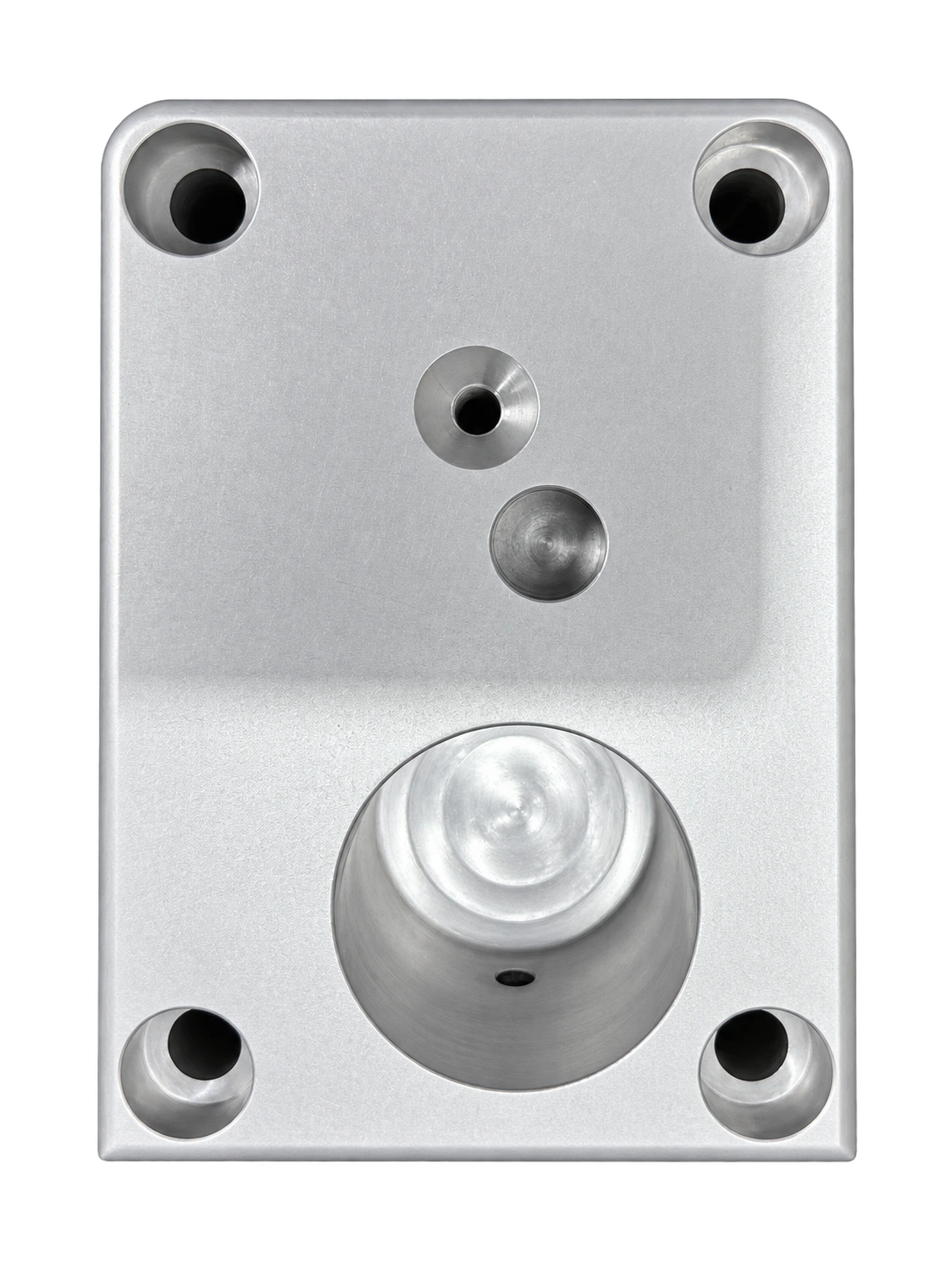
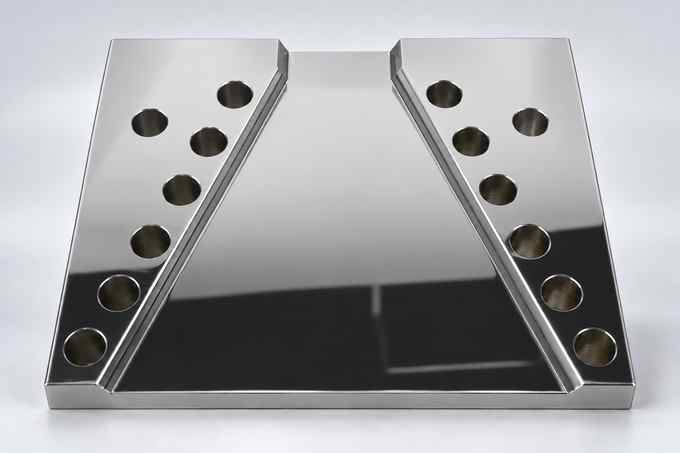
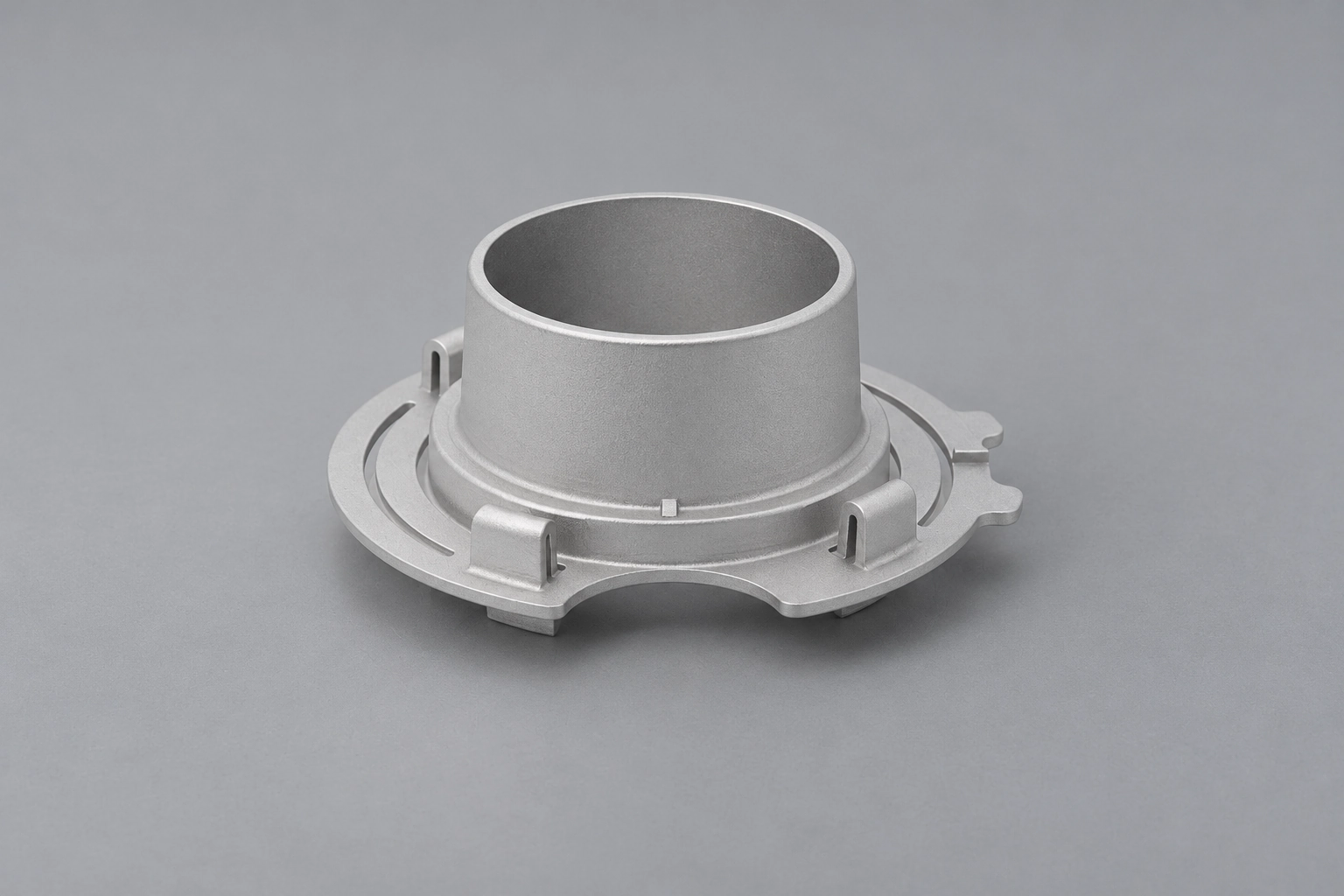
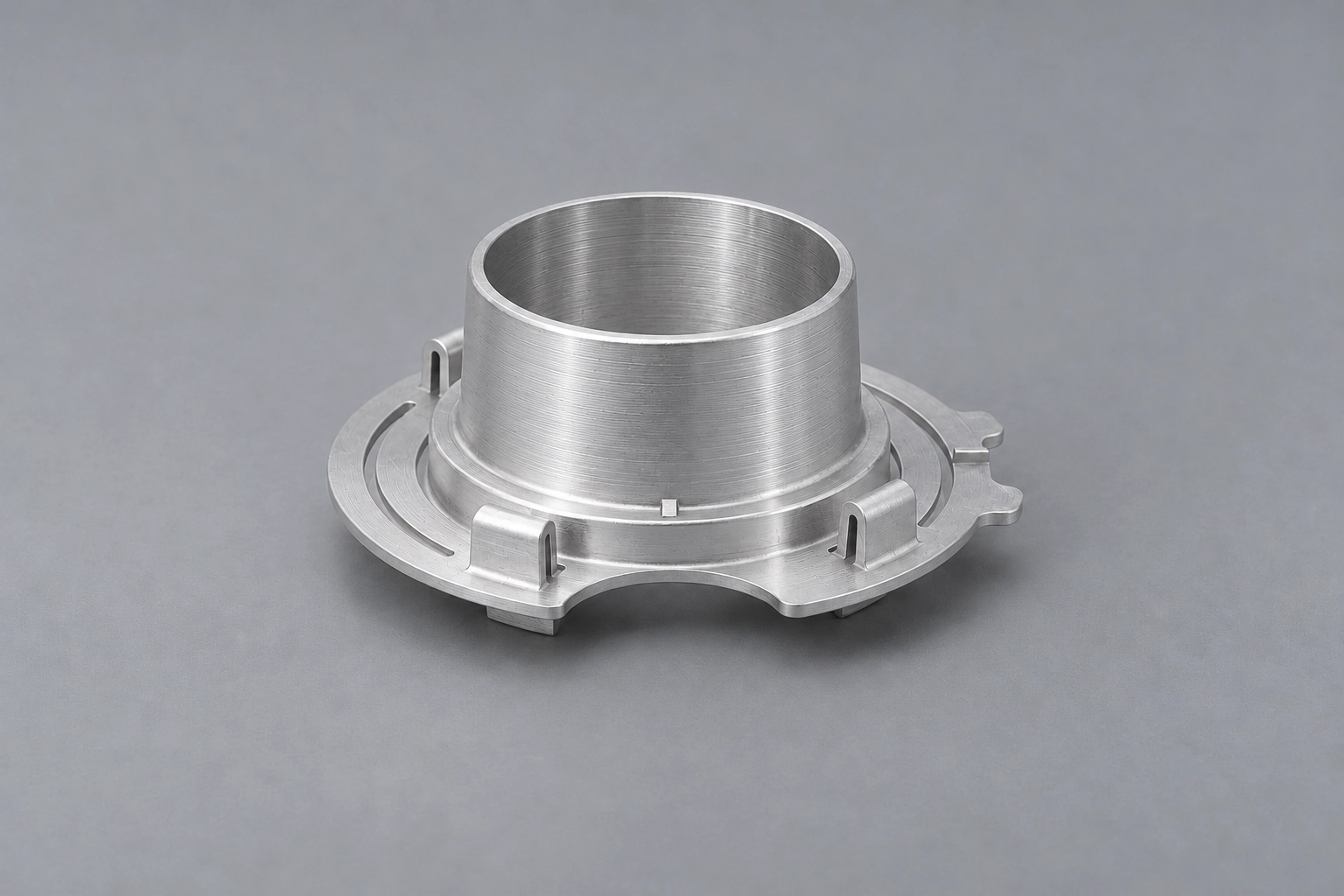
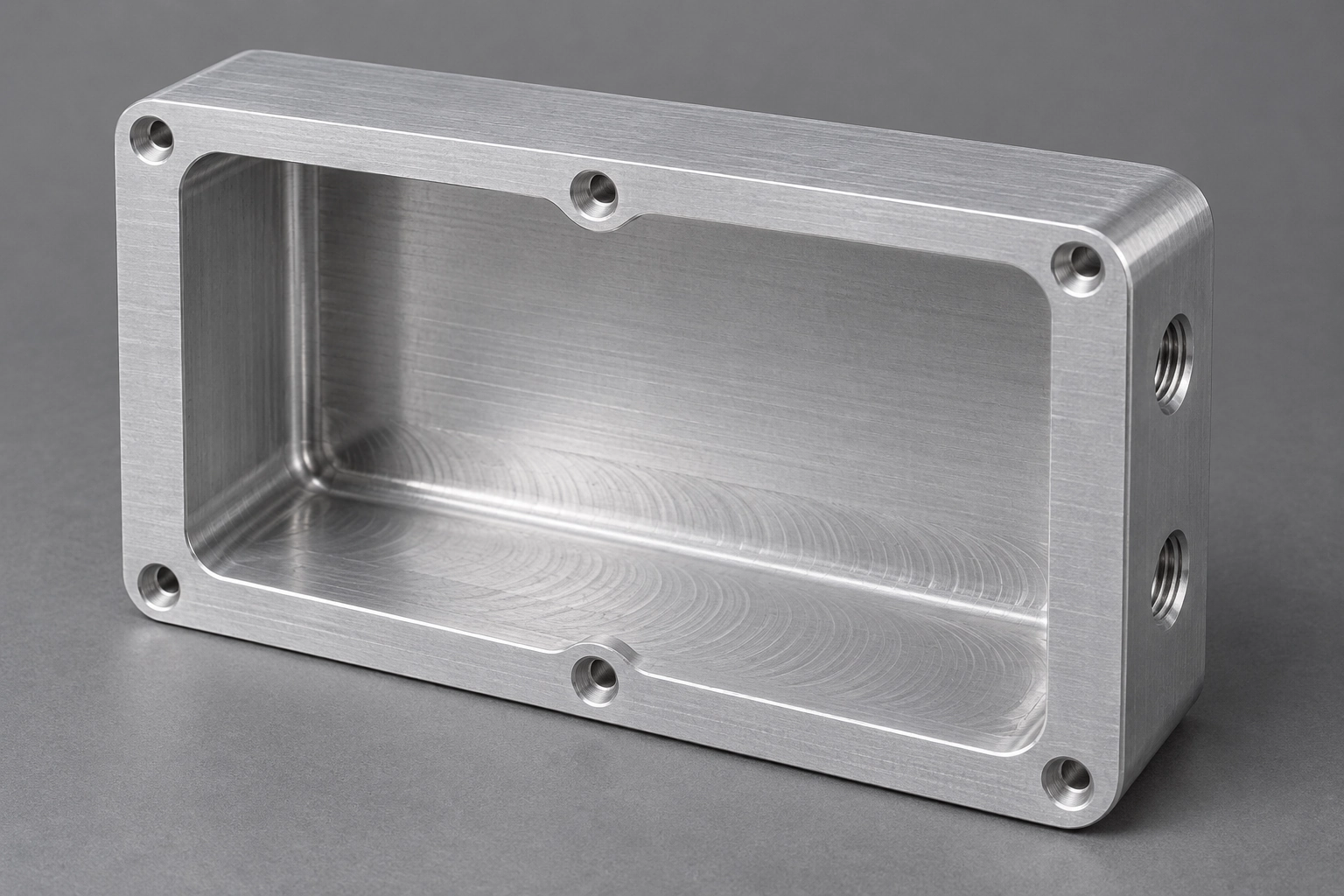
Compare the original surface and the finished result before choosing a finishing route.
Explore finishes ↓THE FINISHING OPTIONS
01 / CNC Machining
Explore colour appearance for suitable aluminium components.
View finish →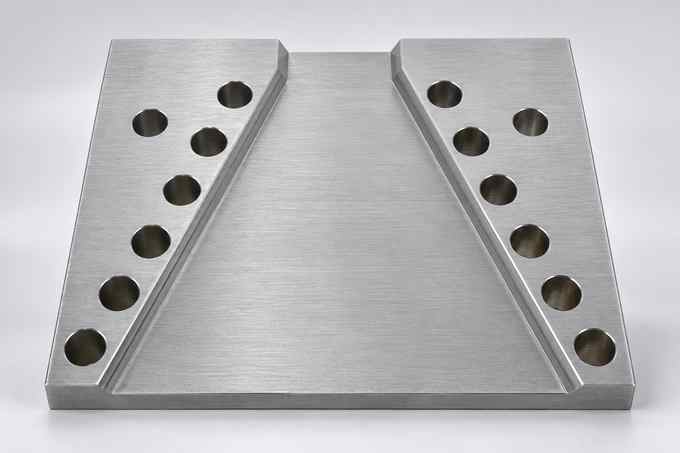
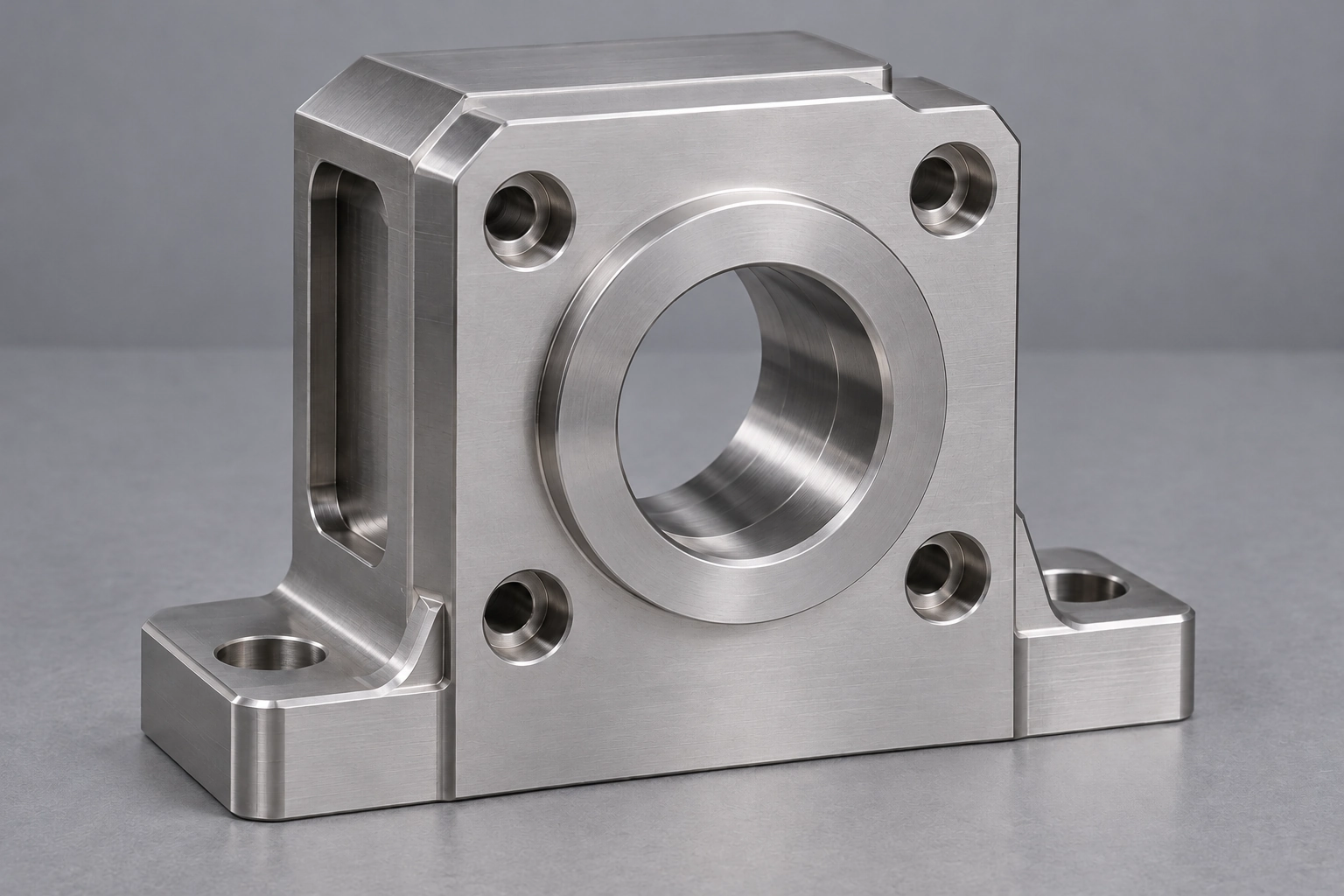
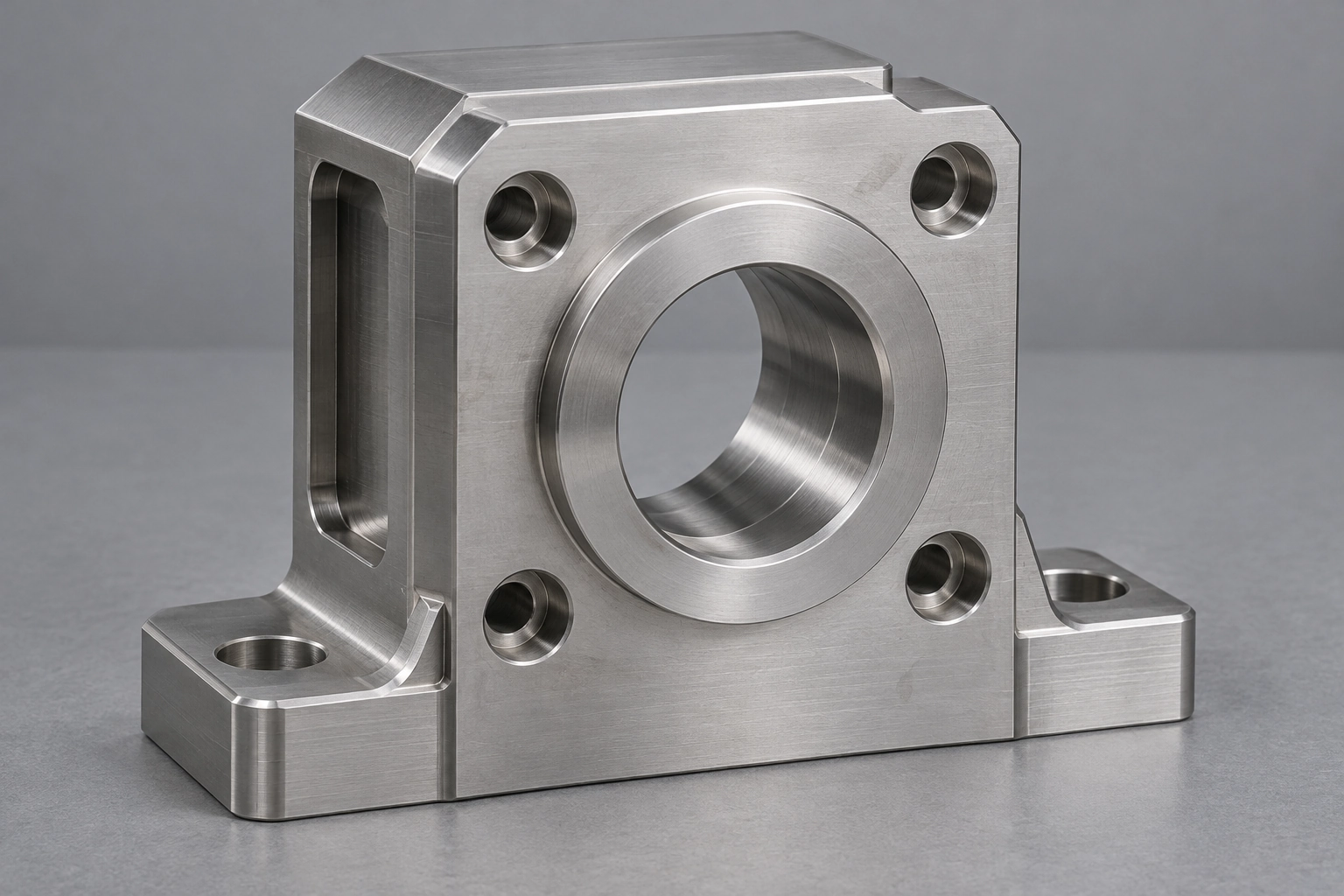
04 / CNC Machining
Review suitability for the selected stainless steel and specification.
View finish →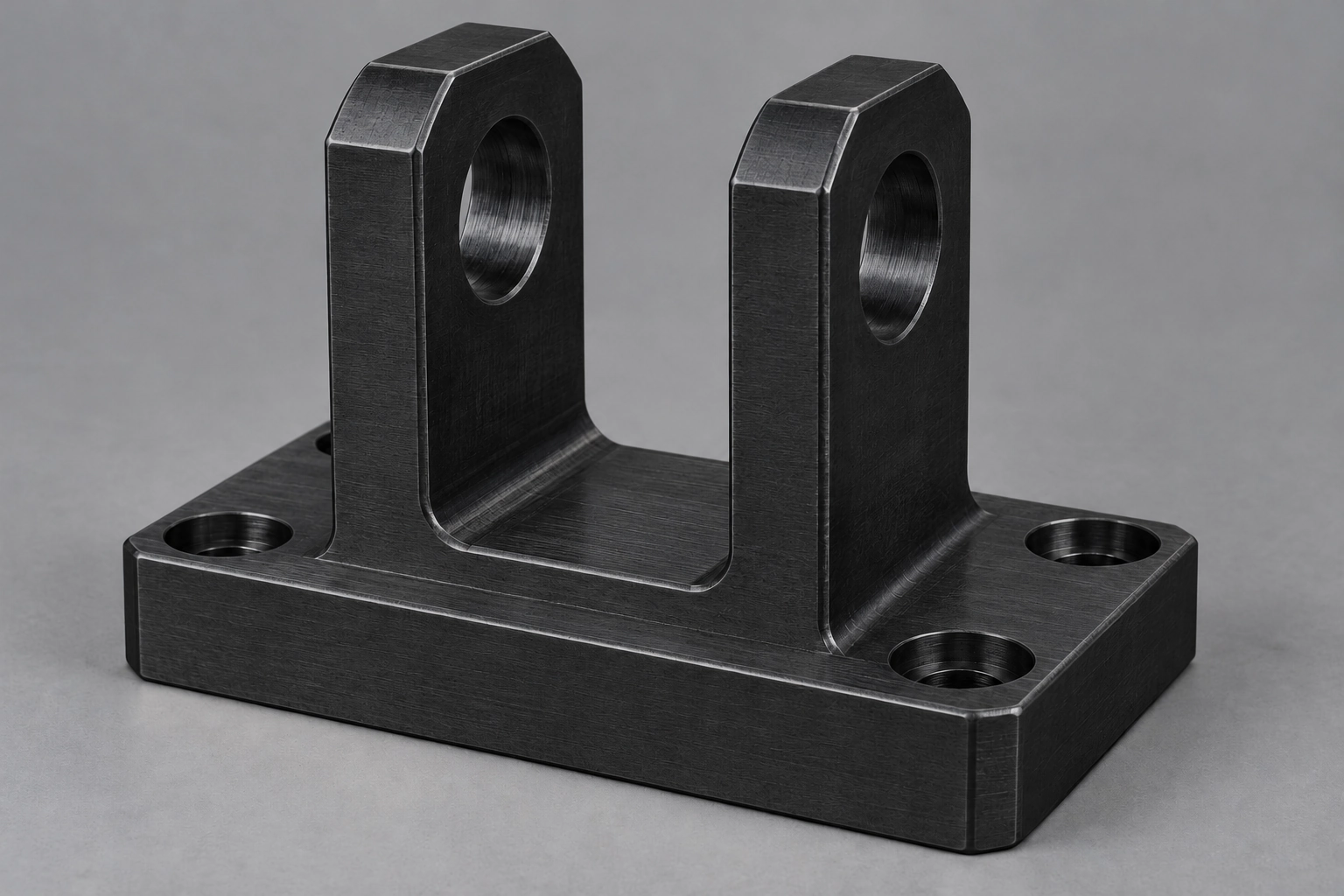
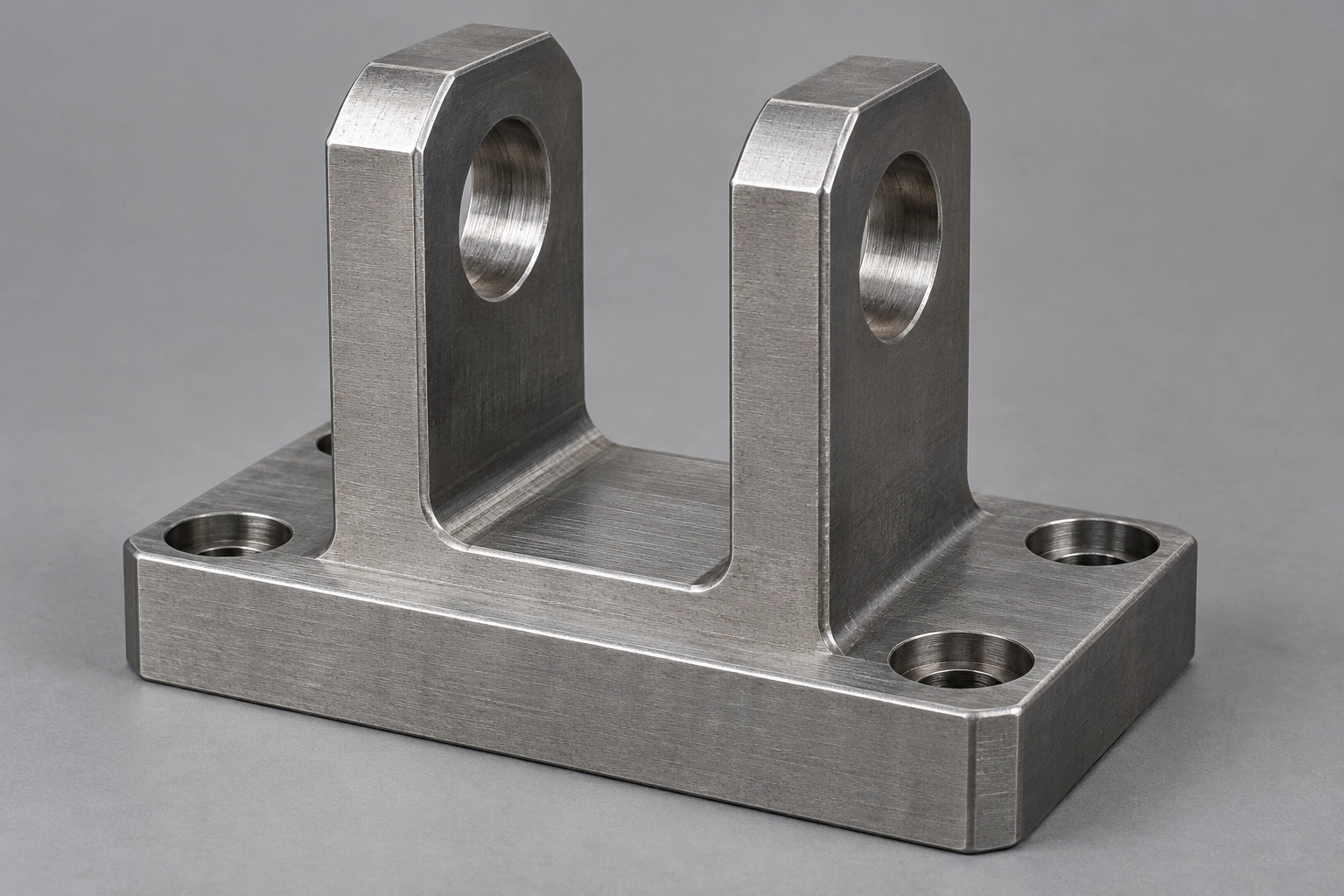
05 / CNC Machining
It creates a deep black finish on steel, with minimal dimensional change and added corrosion protection when sealed.
View finish →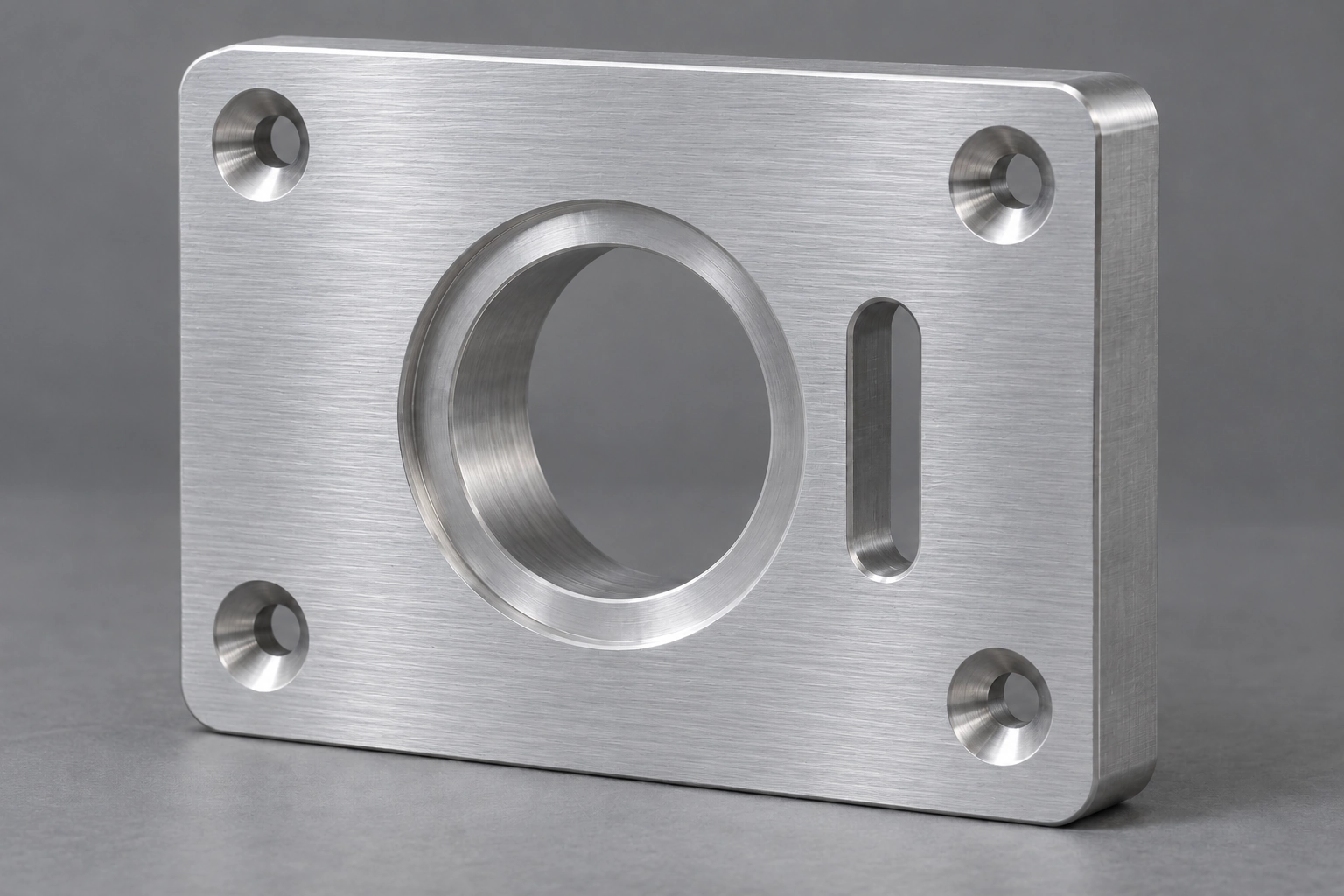
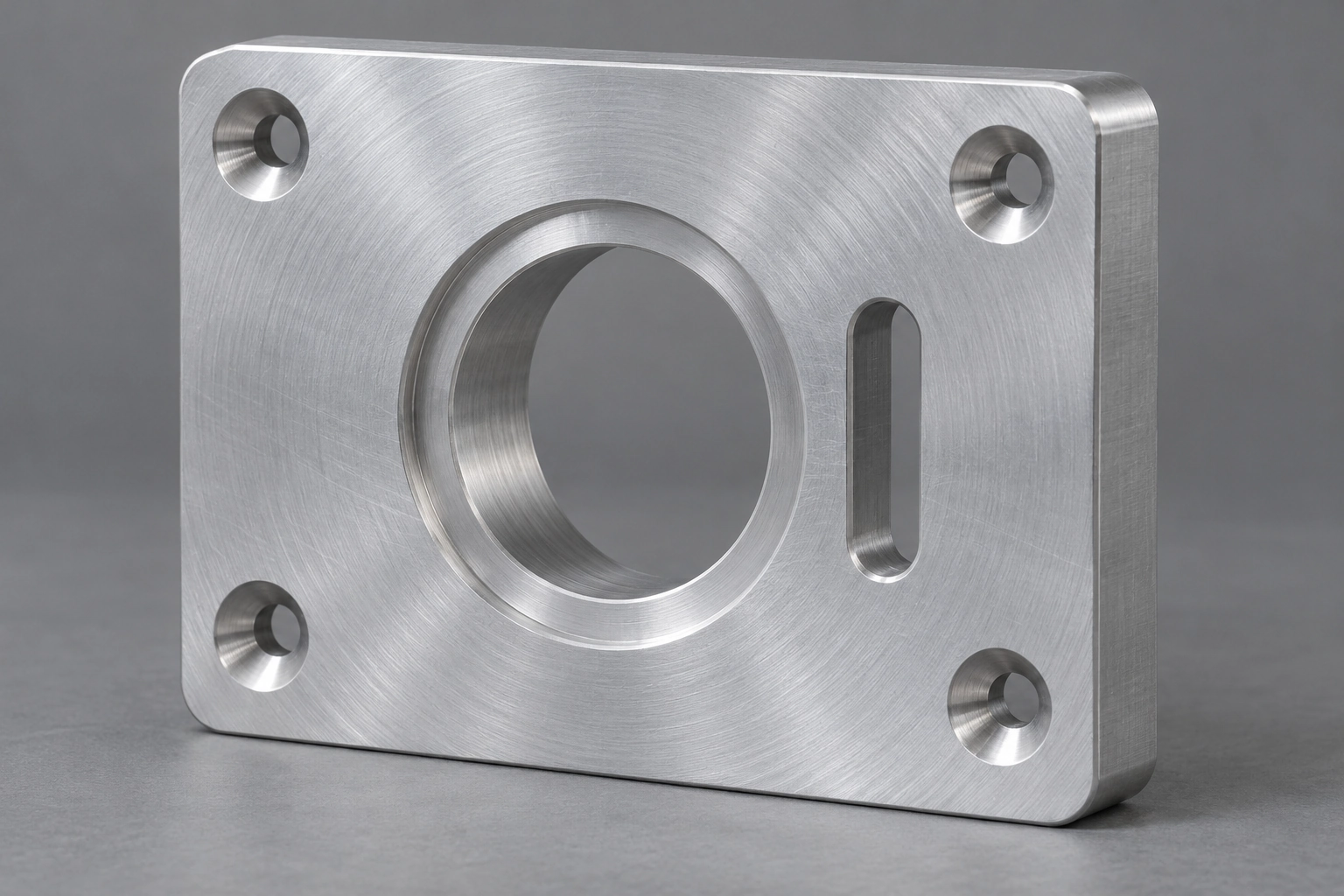
06 / CNC Machining
It creates a fine, directional grain for a refined satin metallic finish.
View finish →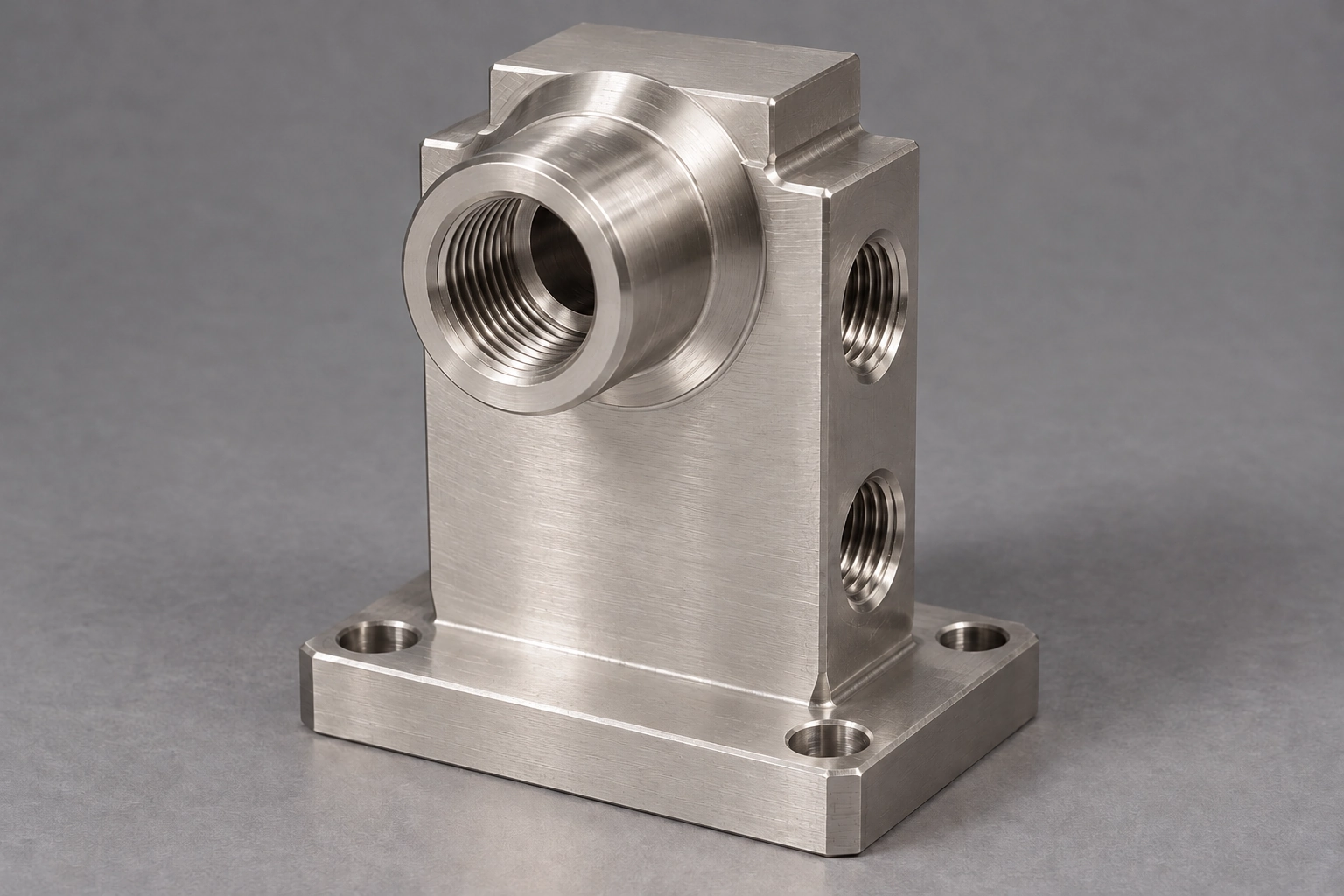
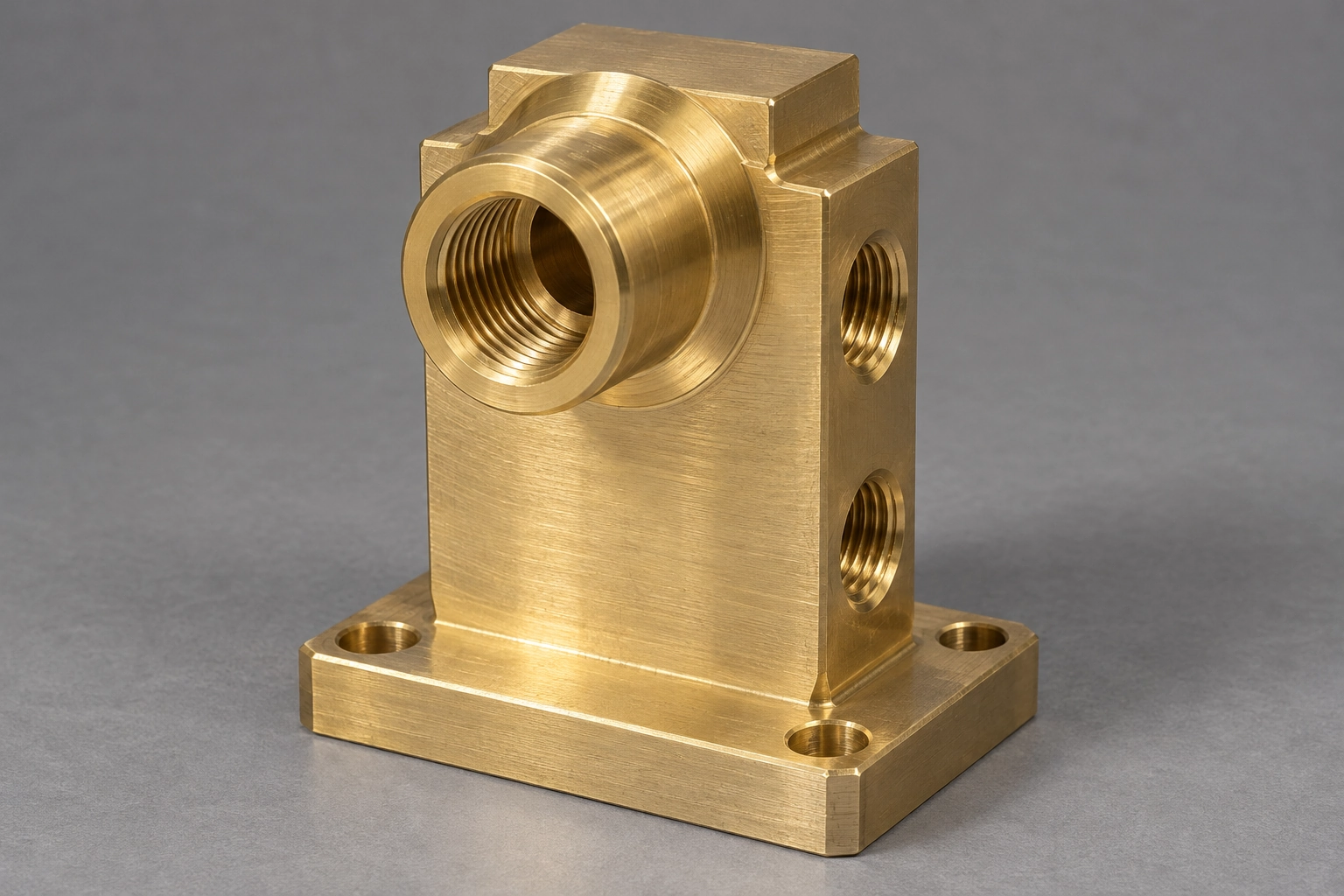
07 / CNC Machining
Adds a uniform nickel layer for improved wear and corrosion resistance.
View finish →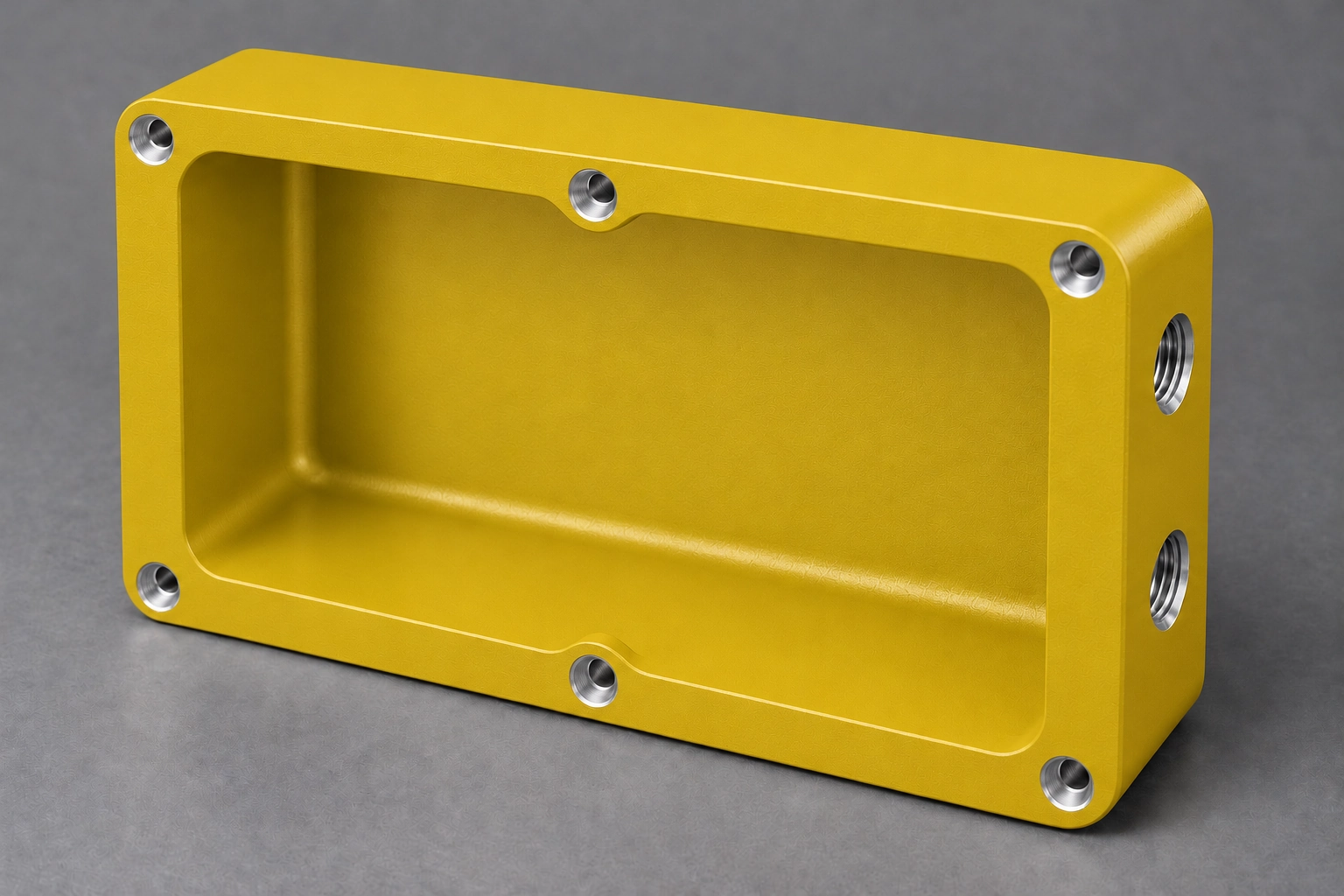
08 / CNC Machining
Adds a durable coloured coating for a uniform finish and improved corrosion resistance.
View finish →Options for cnc machining. The exact material, geometry and required result determine compatibility.
This is a process-specific shortlist, not a finishing package. Read each material condition; not every option applies to every grade. The quotation defines the agreed operations.
Material condition: Selected metal parts. Cosmetic grade and edge preservation defined at quotation
Explore →Material condition: Stainless steel, aluminum, titanium and copper. Manual, mechanical or project-specific polishing route
Explore →Material condition: Available after suitable preparation. Color reference, gloss and texture required
Explore →Material condition: Selected metal plating routes. Substrate and performance requirements must be reviewed
Explore →Material condition: Aluminum after compatible machining/finishing. Printed alloy and surface condition affect appearance
Explore →Material condition: Stainless steel. Standard and certification requirements quoted separately
Explore →Material condition: Tapping, inserts and machined threads. Thread class and insert specification required
Explore →Material condition: Welding and segmented-part joining. Joint location and distortion risk reviewed during DFM
Explore →Material condition: Selected coated metal surfaces. Artwork and adhesion requirements required
Explore →Material condition: Dimensional report and material documentation on request. Scope, sampling plan and certificate type quoted separately
Explore →A FEW USEFUL ANSWERS
Practical questions about CNC Machining finishing, samples and specifications.
Talk to our team →Anodising forms an oxide layer on suitable aluminium. Powder coating adds a cured coating to compatible metals. Choose around the material, appearance, wear requirements, coating thickness and electrical contact areas.
Passivation is primarily a chemical cleaning and corrosion-resistance treatment. It normally produces little visible change. Specify polishing separately if you need higher gloss or smoother surfaces.
Yes, where the material and geometry allow. The order matters: for example, smoothing may precede painting or coating. Identify the required result and protected surfaces so the complete route can be reviewed.
Send the 3D CAD model, any 2D drawing and the parts list. Include the material, quantities, target appearance, colour reference, roughness requirements, masked areas and critical dimensions.
It can. Material removal, coating buildup or thermal processing may affect dimensions and edges. State whether tolerances apply before or after finishing and identify mating faces, bores and threads.
Request a representative sample during quotation when colour, texture or gloss is critical. The sample scope, cost and timing are agreed for the project.
No. Compatibility depends on the exact grade, geometry, surface access and intended use. The quotation confirms which operations are included and any sample approval required.

Speak with Christina, our Director of Sales, about finishing options that match your material, surface requirements and intended use.
Contact with CK